

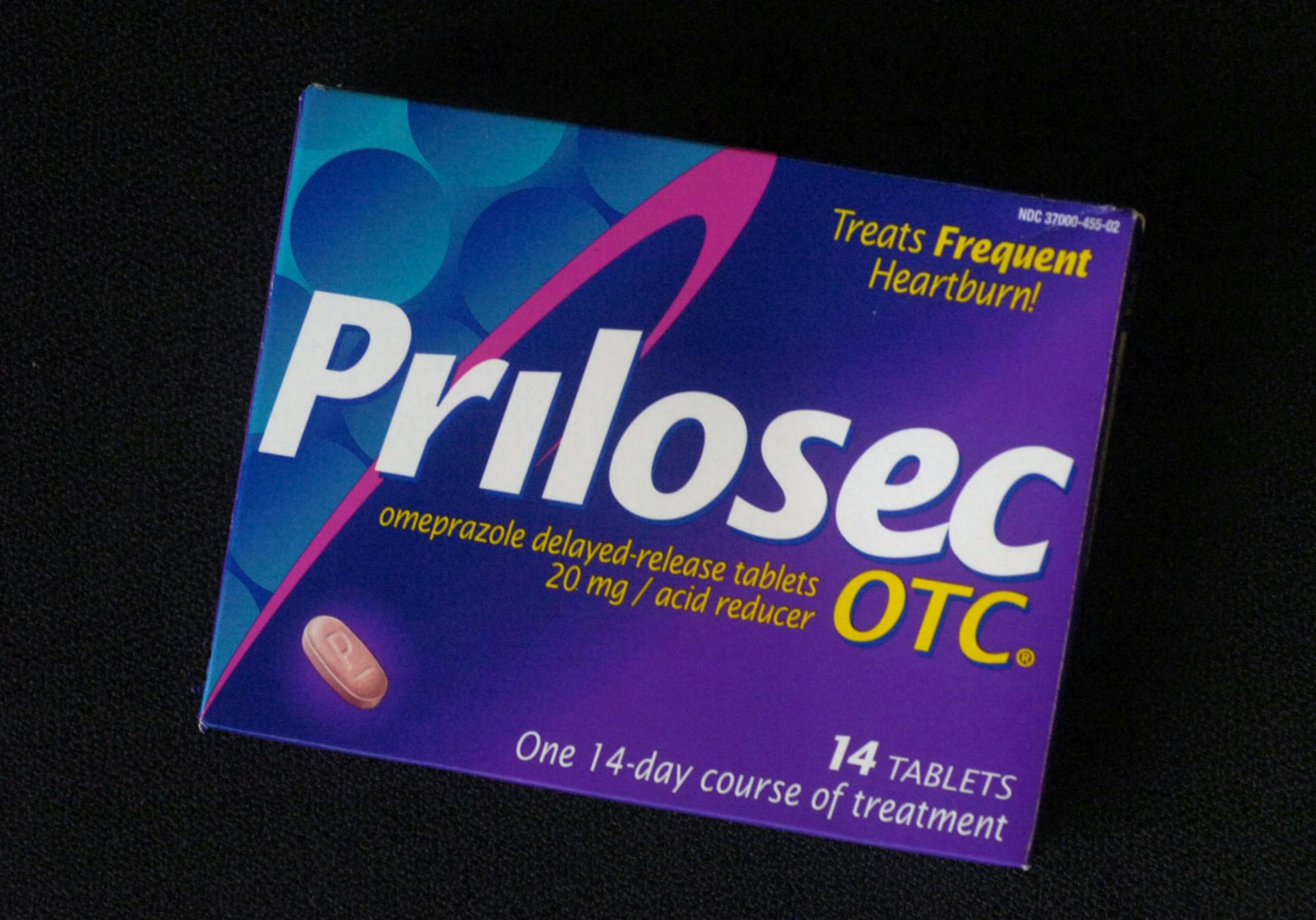
A higher risk of death is associated with long-term use of popular stomach acid reducers known as proton pump inhibitors, according to a new study.
These drugs are sold under brand names such as Prilosec, Nexium, Protonix, Zegerid, Aciphex and Dexilant, along with generic versions such as omeprazole, lansoprazole and pantoprazole. Originally available only by prescription, they are increasingly offered over the counter. The study looked at prescription use only.
Each year, an estimated 15 million Americans are prescribed proton pump inhibitors, commonly called PPIs. That figure doesn't include over-the-counter sales.
Previous studies have indicated that long-term use of PPIs is associated with elevated risks for heart disease, fractures of various bones and other medical problems. The new analysis goes further by linking these medications to higher death rates.
Prolonged use of PPIs was associated with a 25 percent greater risk of death, compared with people taking H2 blockers, another class of acid reducers. H2 blockers are sold under brand names including Pepcid, Tagamet and Zantac, as well as generic names such as famotidine, cimetidine and ranitidine.
For the study, researchers examined millions of military veterans' prescription records that spanned an average of nearly six years. The findings were published Monday in the journal BMJ Open; the study can be found at j.mp/acidppi. The senior author was Dr. Ziyad Al-Aly of the U.S. Department of Veterans Affairs' health system in St. Louis.
Acid reducers treat painful ailments including GERD (gastroesophageal reflux disease), heartburn and peptic ulcers. Physicians should prescribe PPIs when there's a legitimate reason, but only long enough to provide benefits that outweigh the risks, the study's authors said. The increased mortality associated with PPIs was proportionately connected to their duration of use.
Some makers of proton pump inhibitors said this week that their products are effective and safe when used for the recommended period, which is typically about two weeks per full course of the over-the-counter versions. They didn't specifically address the issue of patients often taking prescription-level PPIs for much longer periods and at higher doses.


