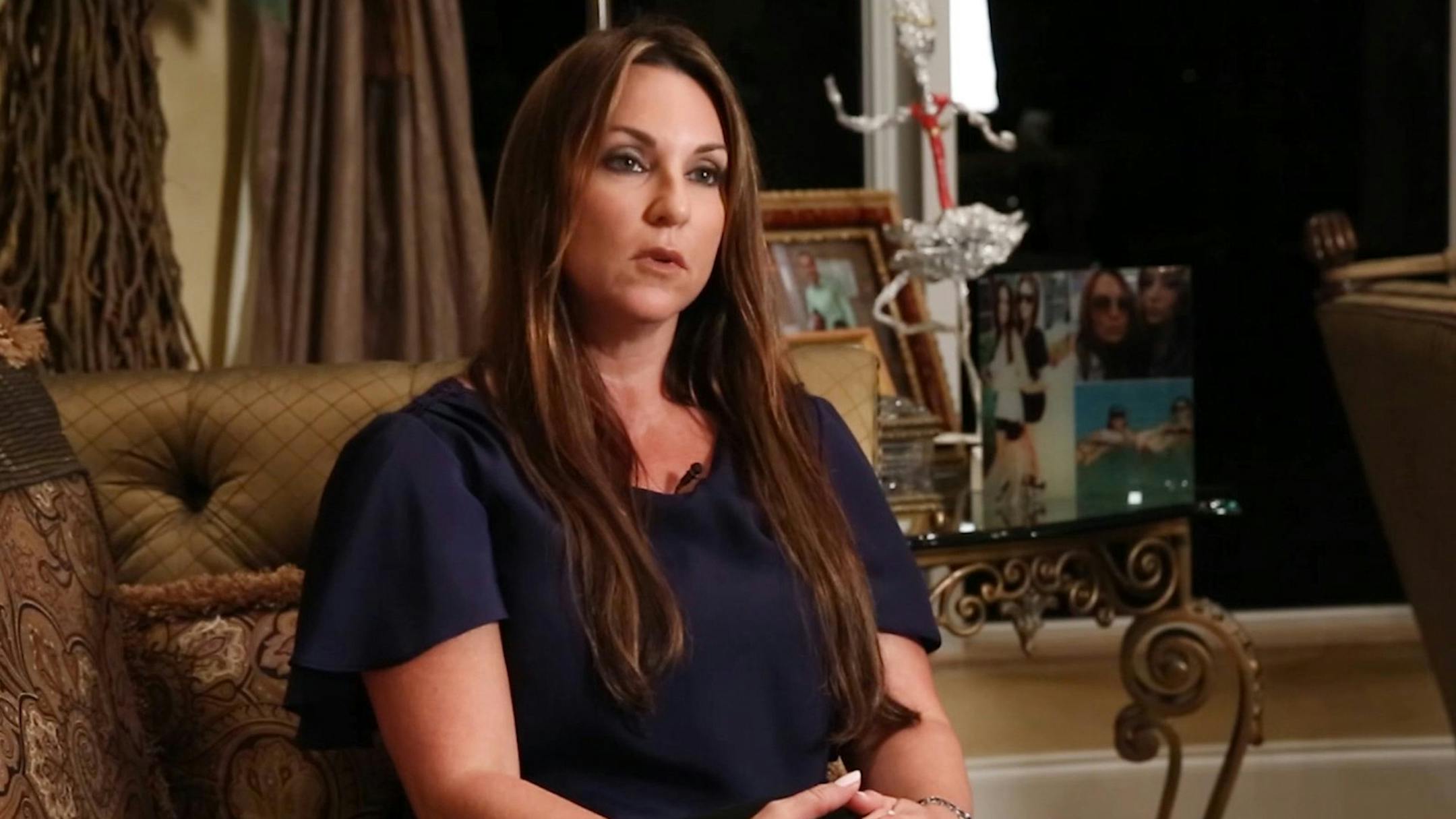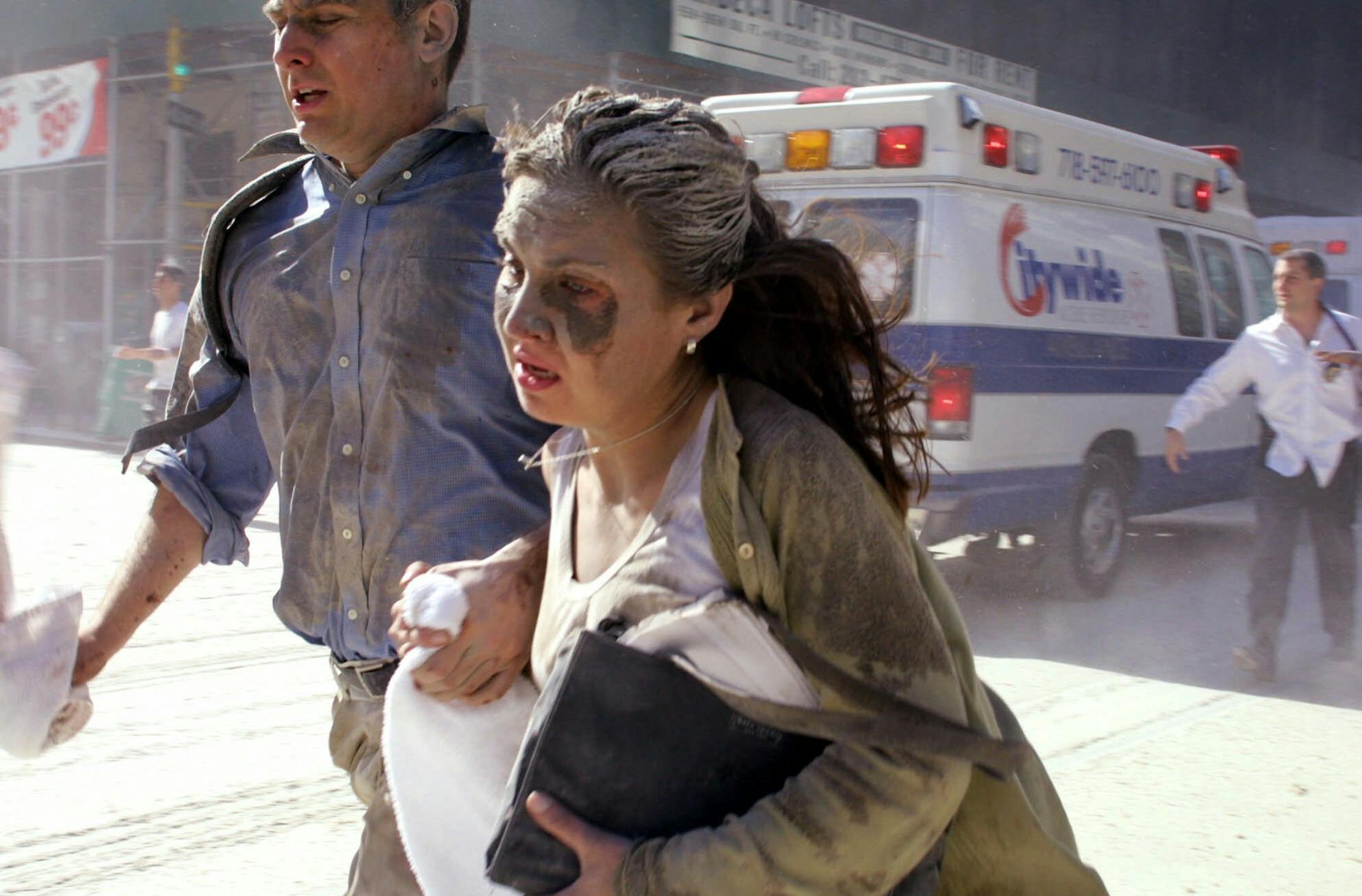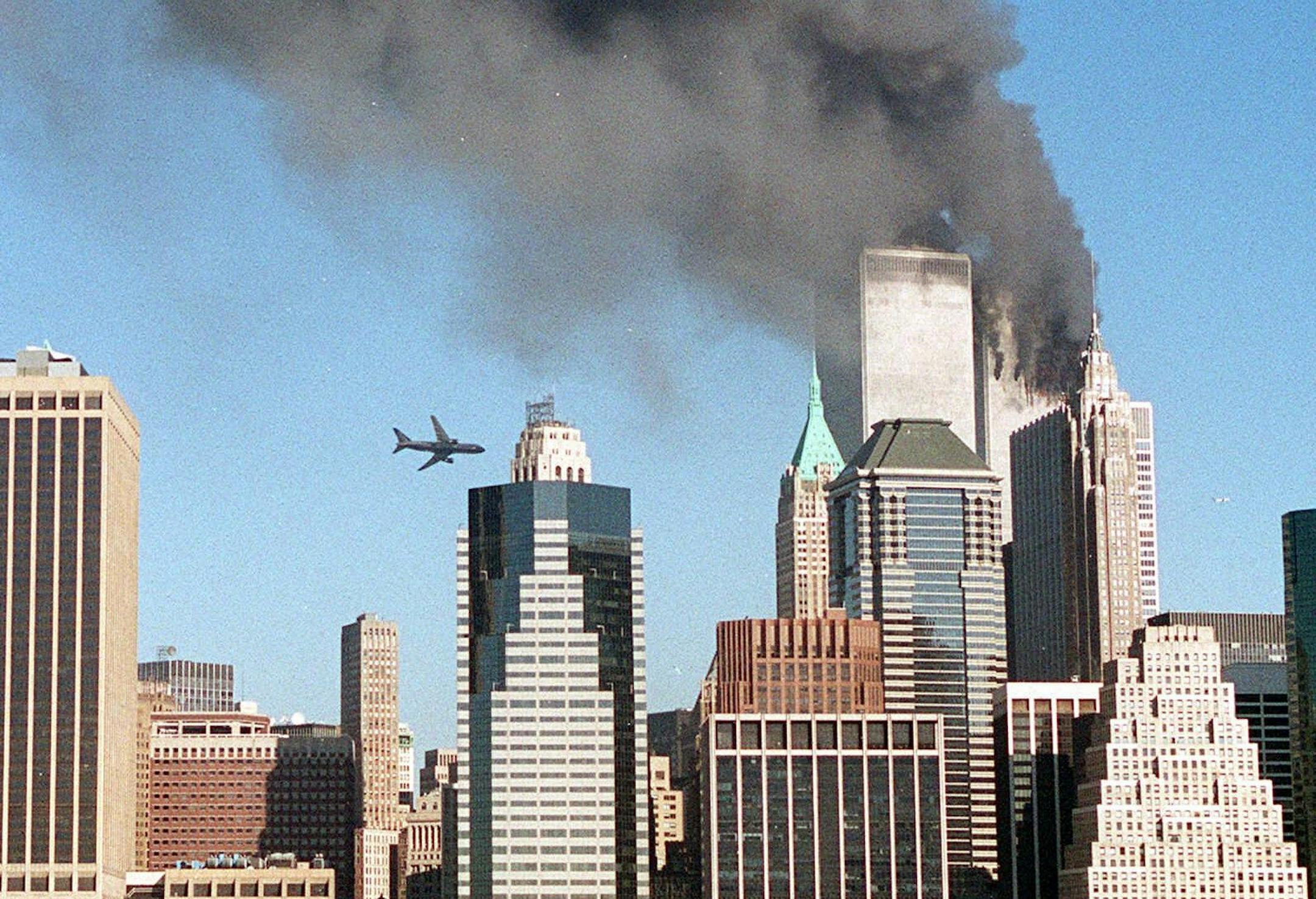
BOCA RATON, Fla. – The pain of Sept. 11, 2001, never goes away for Gina Cayne.
When she speaks of losing her husband as he worked on the 104th floor of the World Trade Center's north tower, tears well in her eyes, her voice strains.
"They killed my husband," she said, accusing Saudi officials of financing the attacks that claimed thousands of lives on that day. "All I want is my day in court."
She might be within weeks of getting it.
For more than 14 years, relatives of the nearly 3,000 people who died that Sept. 11 battled Washington and several federal judges for the right to sue Saudi Arabia and the royal family in Riyadh — suspected by families and senior members of Congress of providing money and other support to the 19 attackers.
First, district and appellate courts in New York ruled — repeatedly — that a legal protection called "sovereign immunity" prevented the families from suing Saudi Arabia. Then President George W. Bush and President Barack Obama stymied one effort after another by Congress to pass a bill that would open a path for a case to proceed.
But the families' fortunes changed in September, when during a distracting, raucous 2016 presidential campaign, Congress delivered the only veto override of Obama's tenure and made the Justice Against Sponsors of Terrorism Act, or JASTA, law.
It has already had an effect: While JASTA was being debated, a federal judge in New York ordered Iran to pay the families and insurance companies $14 billion for having allowed some of the hijackers to enter and leave the country before Sept. 11 without having transit visas stamped in their passports. Such visas would have made it more difficult for them to enter the United States.