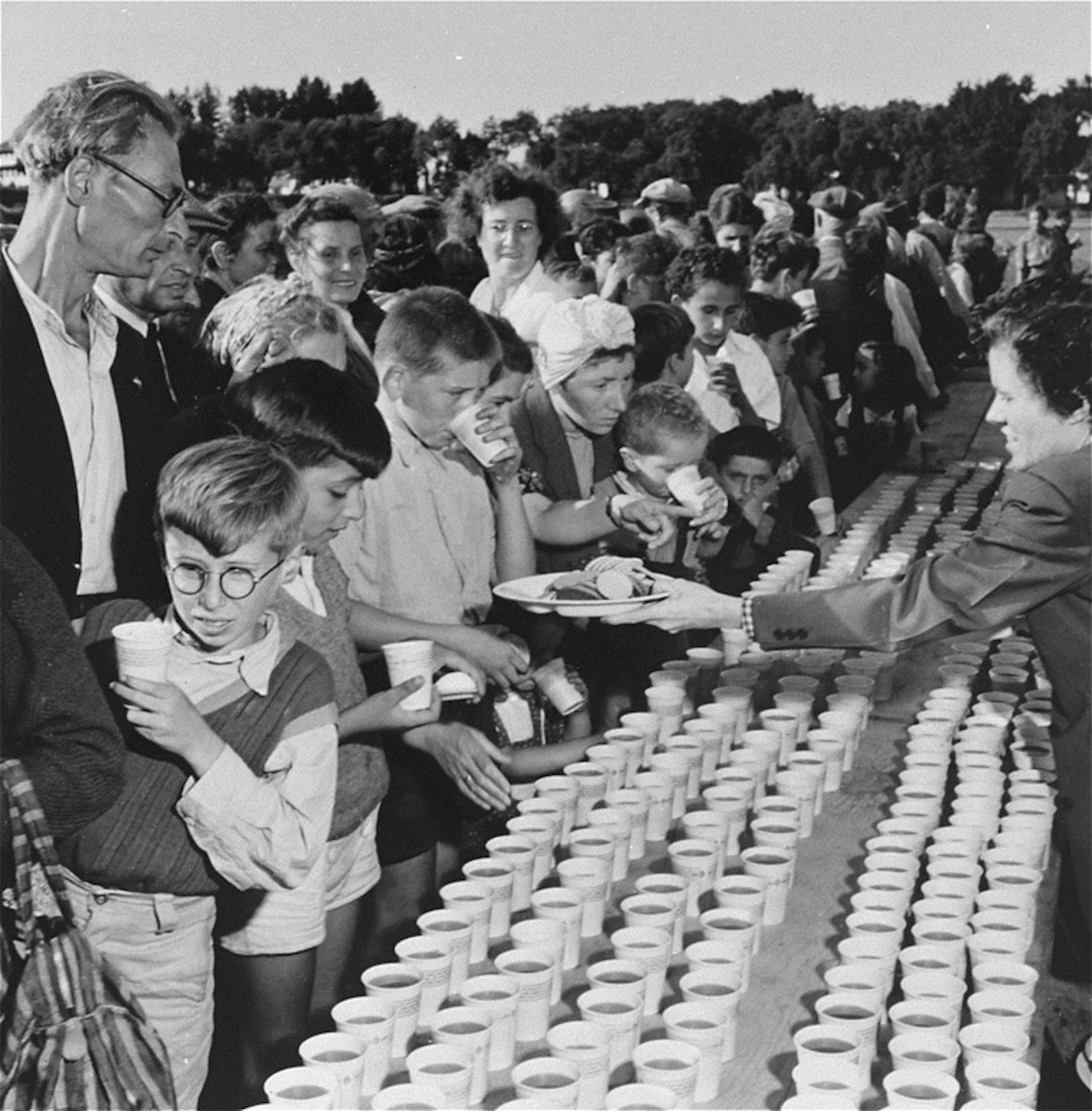
OSWEGO, N.Y. - During World War II, nearly 1,000 Jewish refugees who had escaped the Holocaust were brought to the United States and given safe haven at an Army post in Upstate New York.
Fearing that they would be sent back to Europe at war's end, they lobbied to stay in America. They turned to leading citizens who drafted a petition to the president and Congress. They testified at a congressional hearing. And they wrote and performed an operetta sharing their story.
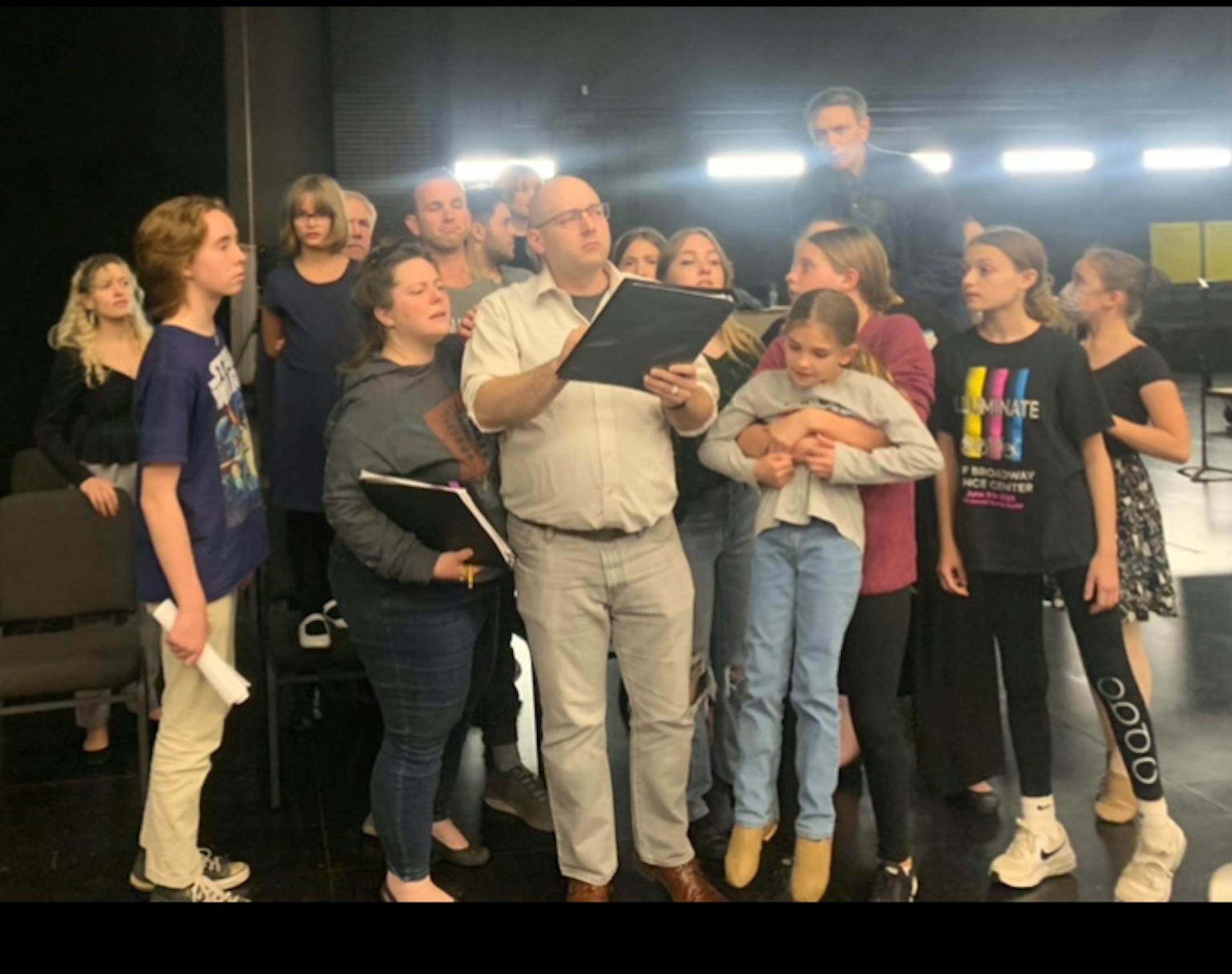
The score and libretto of "The Golden Cage" soon disappeared. Decades later, a historian tracked them down. Last month, for the first time since 1945, the operetta was performed.
"We feel that this is incredibly significant," said Marilynn Smiley, president of Oswego Opera Theater, which is producing the operetta, noting that the issues it raised about how the country treats refugees remain relevant.
Antisemitic and anti-immigrant sentiment in the United States ran deep in the lead-up to World War II, and strict immigration quotas blocked most Jews fleeing Europe. In the most notorious incident, in 1939, the government refused to admit Jewish refugees on the German liner St. Louis; the ship was forced to return to Europe, where more than 250 of the passengers were killed in the Holocaust.
In 1944, President Franklin D. Roosevelt established the War Refugee Board. Its staff — initially tasked, among other things, with getting other countries to help refugees fleeing Nazi persecution — convinced Roosevelt that the United States should take some of the refugees, partly to encourage other countries to do more. The country would ultimately accept just 982 refugees outside of the quota system. They came from 18 countries, and nearly all of them were Jewish.
To house them, Roosevelt announced the establishment of an emergency refugee shelter at Fort Ontario in Oswego, N.Y., on the shore of Lake Ontario.
"These people definitely felt like they were being rescued," said Rebecca Erbelding, a historian at the U.S. Holocaust Memorial Museum. But it wasn't so simple. The refugees would be guests of Roosevelt with no legal immigration status. All had to sign documents agreeing to return to Europe when the war ended.