

Wouldn't it be fitting if the regimes in Moscow and Tehran — the first defined by a cult of its leader's machismo, the second by its systemic misogyny — were brought down by protests inspired and led by women?
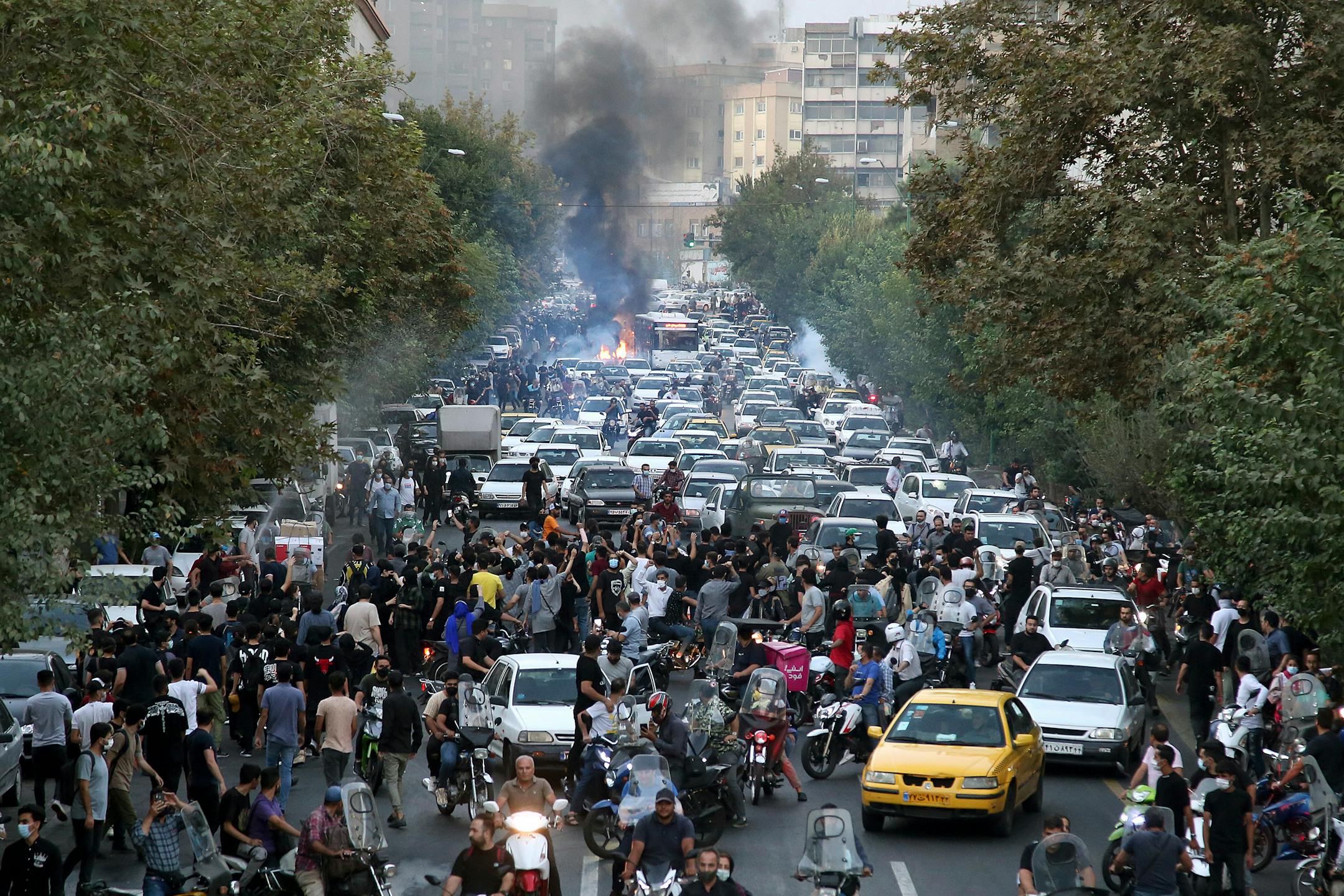
The possibility is no longer remote. The protests that have unfolded throughout Iran since the cruel death of 22-year-old Mahsa Amini — accused of violating Iran's hijab rule, arrested by the morality police and almost certainly beaten into a coma in detention — are the most serious since the Green Revolution of 2009 after Mahmoud Ahmadinejad's fraudulent re-election.
But this time may be different.
Then, the supreme leader, Ayatollah Ali Khamenei, was vigorous and in full control of the system. Now, there are reports that he is gravely ill. Then, Iran exported roughly 2.3 million barrels of oil a day. Now, thanks in part to sanctions imposed by the Trump administration, it exports about 800,000.
Then, the protests were mainly about politics, which were centered in Tehran. Now, they are about human rights, and there is a potent ethnic component: In Iran's Kurdish region, from which Amini hailed, the city of Oshnavieh was briefly seized by protesters over the weekend. Then, the regime's militia and security services seemed to easily overpower the protests. Now, Iran's chief justice, Gholam Hossein Mohseni-Ejei, has been caught on video complaining that his officers are overwhelmed and "have not slept."
But the biggest factor is the female factor.
"In 1979, when women were demonstrating against the threat of hijab, they were alone," writer Roya Hakakian, who lived through the Iranian revolution as a teenager, told me on Monday. "Now the tide has dramatically changed. Men recognize women's leadership and are at their side. It's clear that these demonstrators have forged a collective identity that is contrary to the identity of the regime. They counter the regime's misogyny with unprecedented egalitarianism."
Running a dictatorship is a delicate art. Those who try to govern with too light a touch — leaving ordinary people more or less alone except where politics are concerned — run the risk of letting a taste for freedom gain too much ground.


