

Opinion editor's note: Star Tribune Opinion publishes a mix of national and local commentaries online and in print each day. To contribute, click here.
•••
Long-haul trucking has always been a tough job that keeps drivers away from their families for days and sometimes weeks. It's no wonder there's a perennial shortage of them. The pool of available drivers is aging — the median age is about 46 and climbing — and the industry is struggling to attract younger people to get behind the wheel of a big rig.
Critics contend the problem is rooted in pay. Raise truckers' wages, they say, and more will be willing to hit the road, even with the sacrifices to home life. A survey by the American Trucking Associations published on Wednesday, however, suggested the problem goes beyond compensation, especially after COVID-19 unleashed a pandemic of self-reflection on life's priorities. The job description is stark: Live out of a truck for days while missing your children's games or school plays.
The good news for drivers is that salaries are going up. The ATA study showed that annual pay for long-haul truckers rose to almost $70,000 in 2021, an 18% jump from 2019. The more interesting nugget from the survey was that the higher pay per mile enabled drivers to work less and be at home more while making the same amount of money, said Bob Costello, the trade group's chief economist. "The idea that it's only pay" that is keeping truckers off the road "is wrong," Costello said. So higher pay isn't going to necessarily translate into enough drivers to fill demand.
The shortage of truck drivers is now more than 80,000, and that's expected to double by 2030, according to the ATA. At the same time, trucking freight rates including fuel surcharges jumped to an all-time high in January on the spot market as demand outstripped capacity (they have cooled some since then as fuel prices have dropped). Higher pay has also put upward pressure on rates.
There is an obvious long-term solution to both these problems: driverless trucks. But only if the industry gets off on the right foot with maximum transparency on its operations. If autonomous trucks are introduced prudently, they can improve highway safety and continue to promote the small-business ownership that dominates the trucking industry.
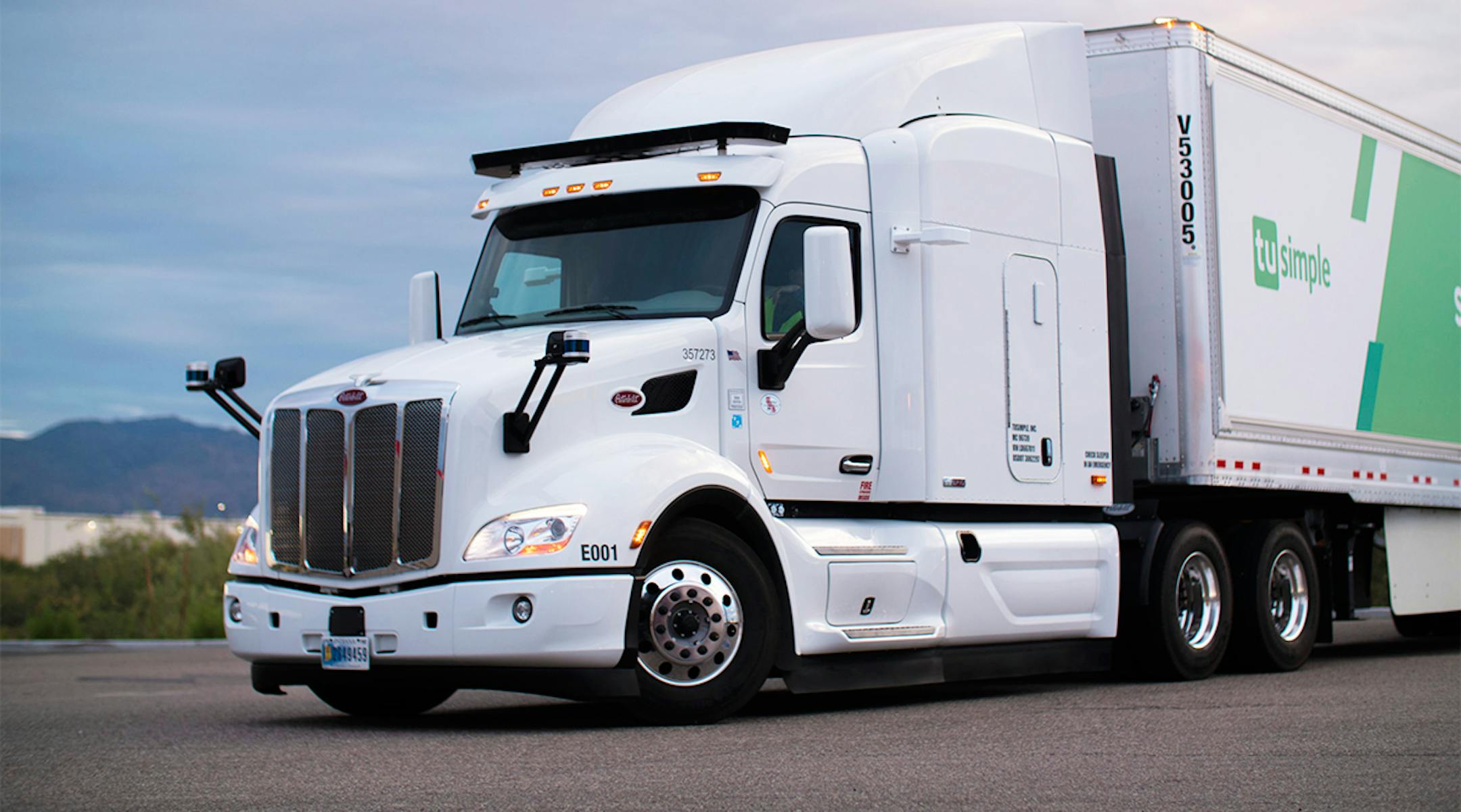
They are already on the road. Companies like Aurora Innovation, TuSimple Holdings, Kodiak Robotics and several others are testing driverless trucks on U.S. highways with a safety driver still behind the wheel.


