

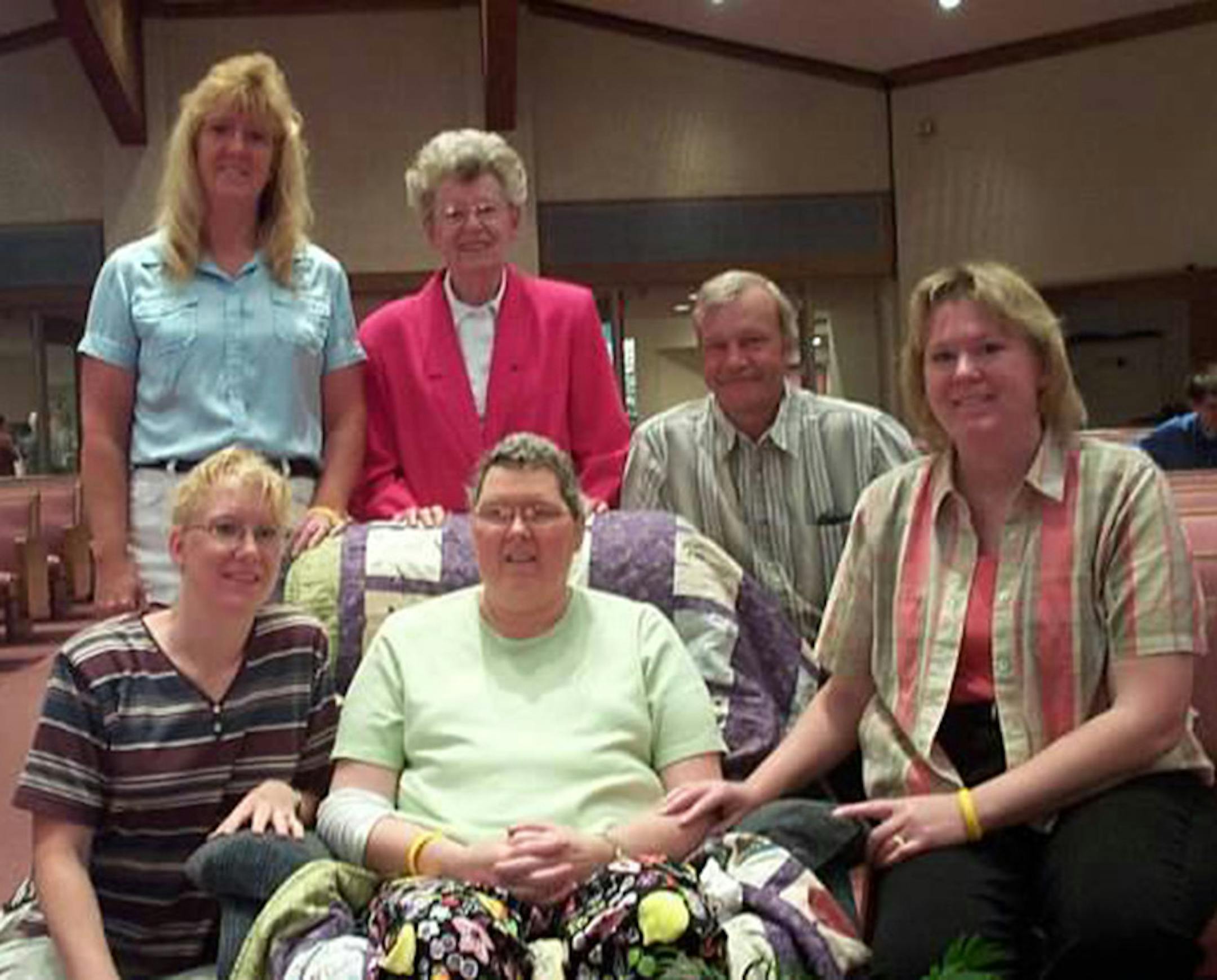
Peg Mitchell was as prepared as she could be for the memorial service for her partner, Pam Conway. "We knew to have a lot of Kleenex around," she said.
Conway was prepared, too.
Four months before ALS would take Conway's life, Mitchell reserved a church meeting room, asked close friends to create photo boards and take care of refreshments, then invited about 100 people to a memorial service — at which Conway was the guest of honor.
To start the proceedings, Conway read a "legacy letter" she had written. After that, Mitchell asked friends to come sit by Conway and share stories about her.
"There were tears, but I think mostly they were tears of appreciation and gratitude," said Mitchell. "It was much more that than how much she would be missed. It was a most meaningful experience for her and all who attended. She just glowed for days about it."
While they are far from replacing traditional funerals, life celebrations that include the terminally ill have become increasingly popular. They take many shapes (from church services to cookouts to full-blown parties at local bars) and go by many names (living memorials, life celebrations, healing services), but they have one thing in common: the person being honored is present — and may even take an active role.
"There's a different purpose for each gathering," said hospice music therapist Jennifer Pelletier, whose family held what she called a "healing service" when her sister was dying of cancer. "Every person has a different place that they're on in their journey and a different goal that they or the family are looking for."
The gatherings do more than allow friends and family to share stories. Often, the dying person throws in his or her own anecdotes and thank-yous. Pelletier and other hospice workers say living memorials offer a chance to laud rather than lament and that they serve as a salve for people who are discomfited by death and dying.

