SINUI ISLAND, South Korea — He ran the first chance he got.
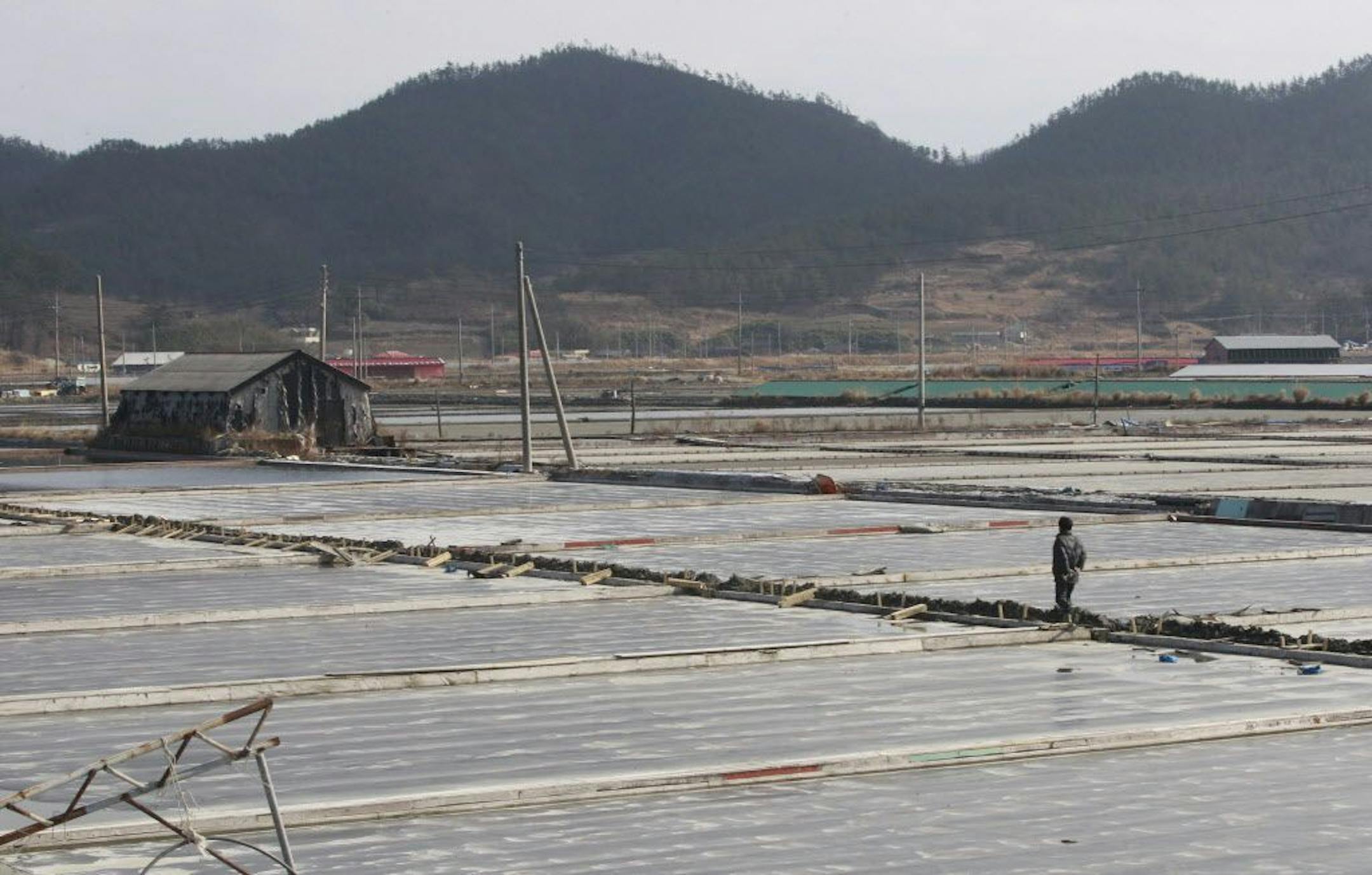
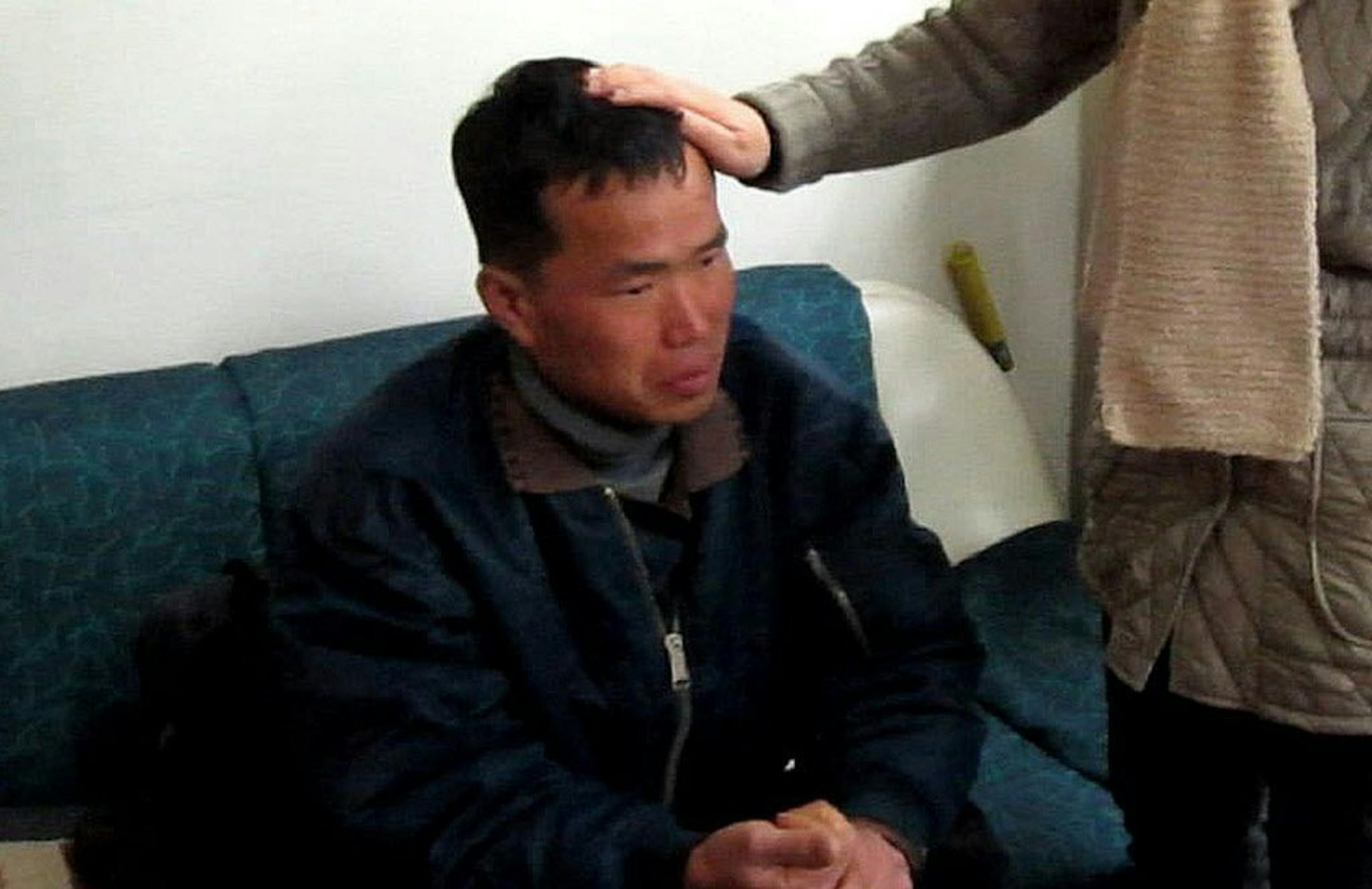
The summer sun beat down on the shallow, sea-fed fields where Kim Seong-baek was forced to work without pay, day after 18-hour day mining the big salt crystals that blossomed in the mud around him. Half-blind and in rags, Kim grabbed another slave, and the two men — both disabled — headed for the coast.
Far from Seoul, the glittering steel-and-glass capital of one of Asia's richest countries, they were now hunted men on this tiny, remote island where the enslavement of disabled salt farm workers is an open secret.
"It was a living hell," Kim said. "I thought my life was over."
Lost, they wandered past asphalt-black salt fields sparkling with a patina of thin white crust. They could feel the islanders they passed watching them. Everyone knew who belonged and who didn't.
Near a grocery, the store owner's son came out and asked what they were doing. Kim broke down, begged for help, said he'd been held against his will. The man offered to take them to the police to file a report. Instead, he called their boss, who beat Kim with a rake — and it was back to the salt fields.
"I couldn't fight back," Kim said, in a recent series of interviews with The Associated Press whose details are corroborated by court records and by lawyers, police and government officials. "The islanders are too organized, too connected."
___