Liverpool. The Beatles.
Yeah, yeah. (Yeah).
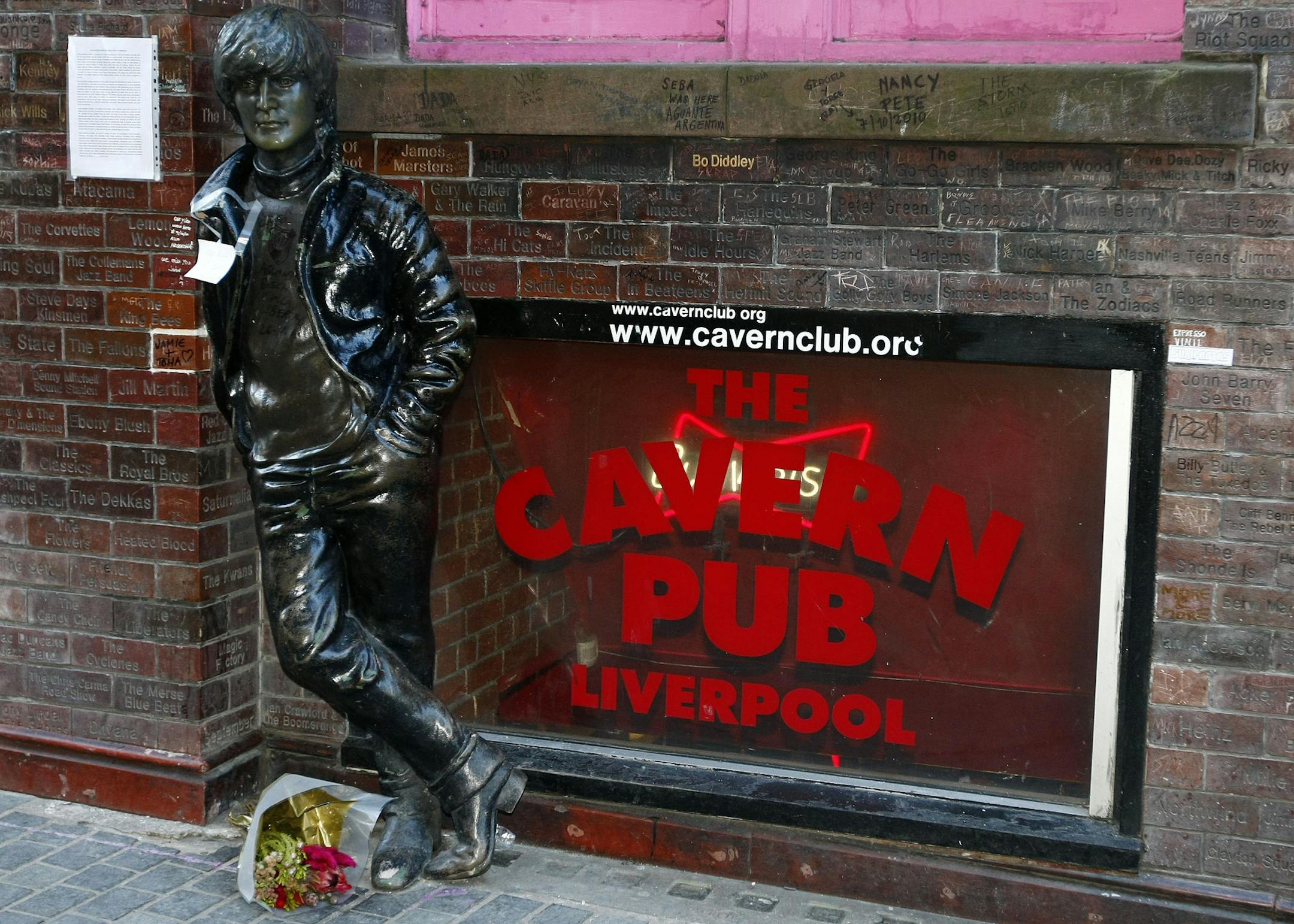
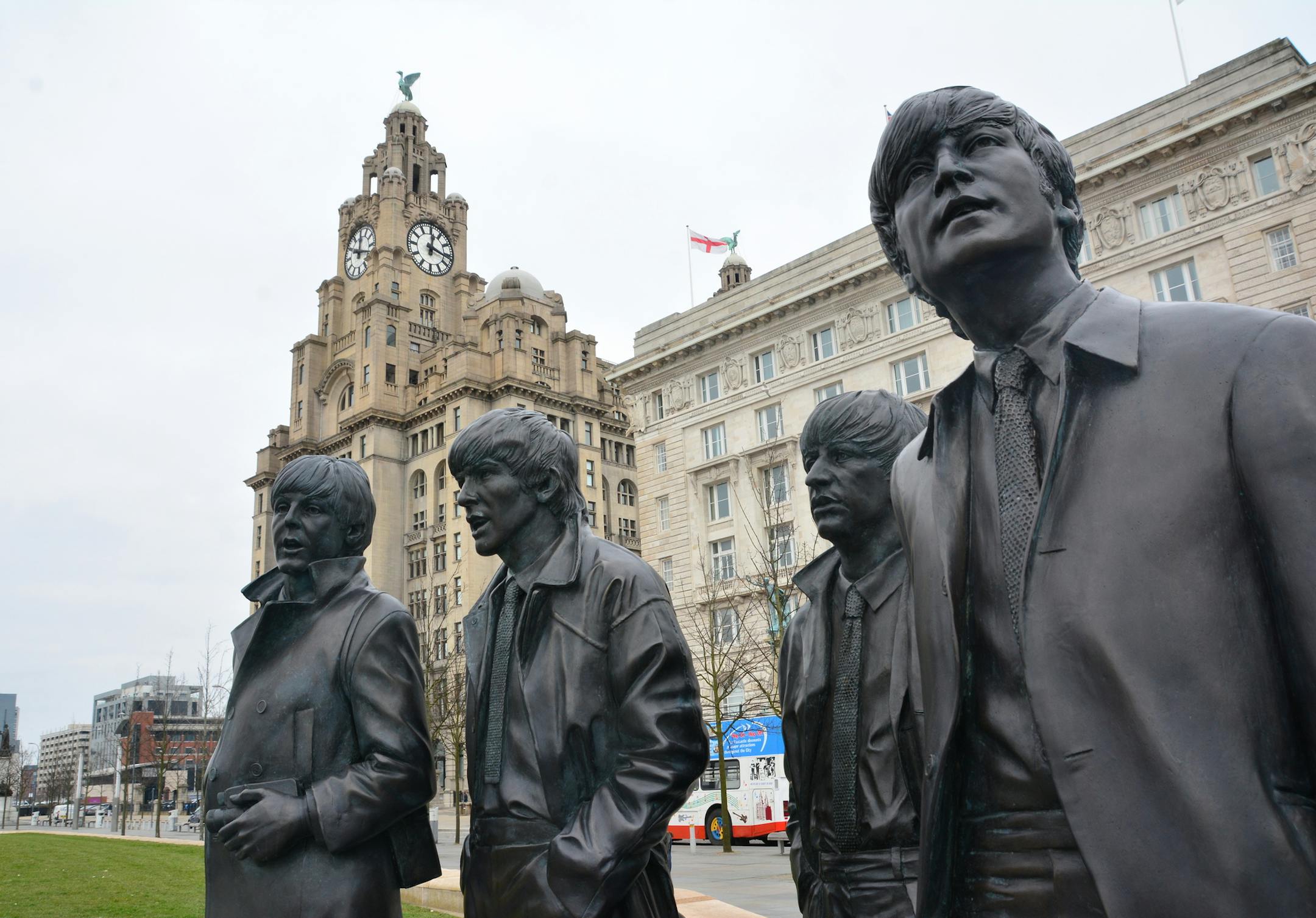
The Beatles and Liverpool are inextricably linked; they put this town on the map, and they're still its biggest draw. No matter that the Beatles left their hometown more than 50 years ago in search of fame and fortune; a recent study found that the Fab Four connection brings in an average of $103 million a year and keeps 2,300 locals employed in Beatles-related tourism.
But haven't travelers been there, done that or at least read enough about it?
Isn't it time we all moved on? Surely there is more to this northwestern English city than John, Paul, George and Ringo.
It took little digging to hit pay dirt on this question. Liverpool has been enjoying something of a renaissance in recent years, finally shaking off the poor image that came with economic decline, rising crime and city scandals.
Officials have worked hard to turn the image around since the 1990s, reinventing the city by emphasizing its culture and history. In 2004, the Liverpool waterfront was named a UNESCO World Heritage Site; a year later, the city was awarded the title of European Capital of Culture for 2008. New museums opened, piers were restored, the economy began cranking and enthusiastic reviews from visitors began piling up.
Today, Liverpool boasts more museums, art galleries and historic buildings (2,500 buildings and 250 public monuments) than any city in Britain except London. Last year, it was named a UNESCO City of Music for the central role music plays in the life of the city — acknowledging not just the pop of the Beatles and other "Merseybeat" bands, but other institutions, including the 175-year-old Liverpool Philharmonic.