

I'm no stranger to "A Midsummer Night's Dream." I've read the play, seen movie versions, attended live performances — including one in which the cast included my then 7- and 5-year-old kids (now that was theater; I only wish you all could have been there). Nevertheless, each time I revisit the play, I find myself on the edge of complete confusion trying to keep track of Hermia, Helena, Lysander and Demetrius. Wait a sec, I ask myself: Who is in love with whom? Why are they all chasing Helena? Who is Lysander really in love with? Who does he think he's in love with? What did Puck know and when did he know it?
A recent study suggests that the effort is good for my social brain.
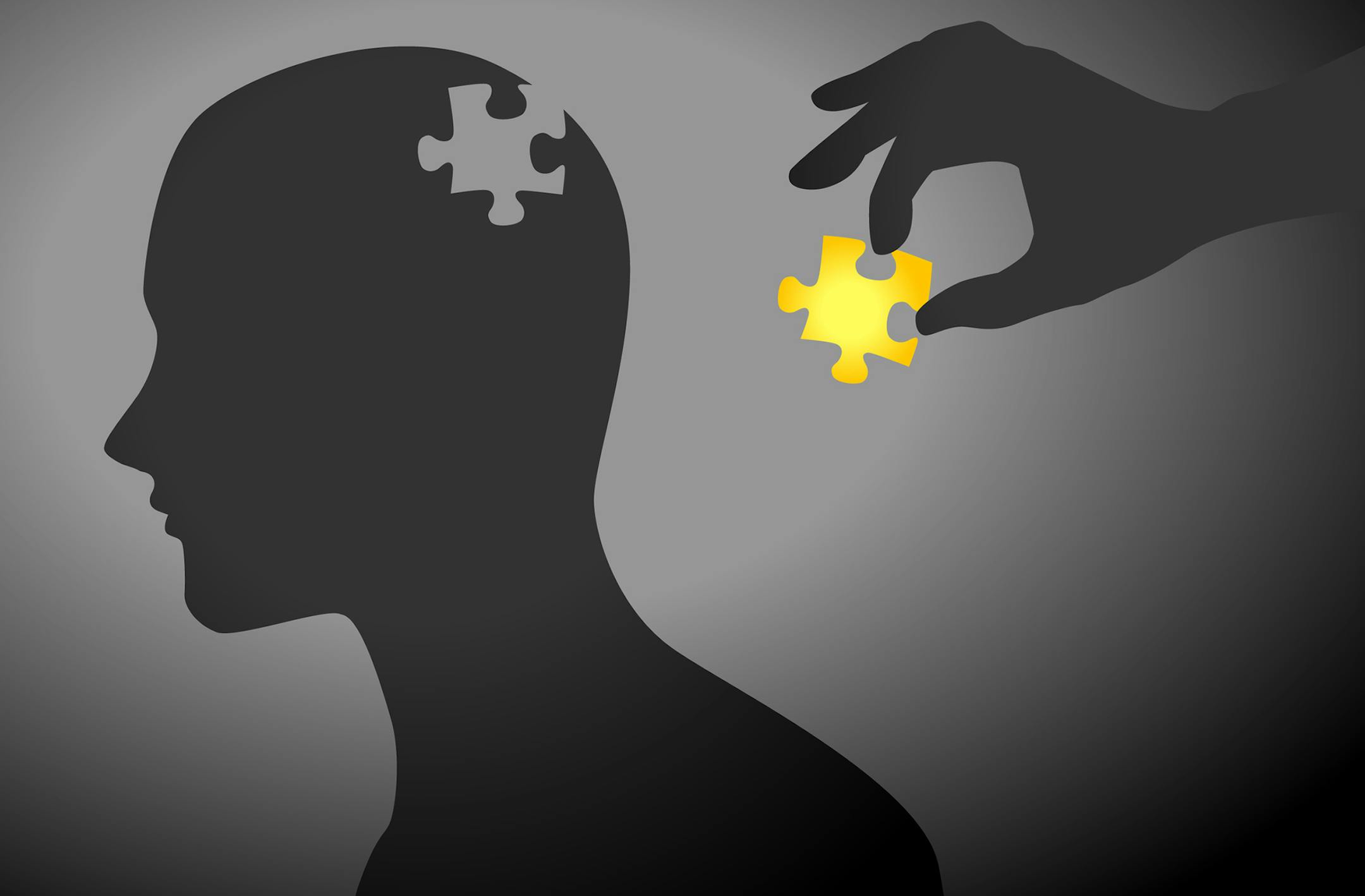
To understand the study's significance, you have to understand a bit about a trendy topic in psychology known as "theory of mind," sometimes abbreviated by social scientists as ToM. This area of research examines the ability of one person to understand the emotions, thoughts, beliefs and intentions of others.
Developmental psychologists track when children first display this ability by testing them with stories like this: "Every day, Sally puts her beloved toy rabbit Stuffy on her pillow before going to preschool. One day, after Sally leaves for school, her father notices that Stuffy is quite dirty and puts him in the washing machine. He intends to then put him in the dryer, but forgets. When Sally returns from school that day, she wants to tell her friend Stuffy about her day. Where would she expect to find him?"
A child who has not yet developed the skills of theory of mind will say, "In the washing machine." The child knows where Stuffy is from having heard the story, and assumes that Sally must know this, too. Only when a child has developed the intuitive ability to put herself in another's shoes can she recognize that Sally would not know about the laundering, because it happened after she left for school, and so would look for Stuffy on her bed.
One thing that interests psychologists is the extent to which developing theory of mind is a precursor to the capacity for empathy. They are also looking at the way in which people with autism and sociopaths develop these abilities — or don't. And primatologists have demonstrated some of the rudiments of theory of mind in other apes.
Now, research by David Comer Kidd and Emanuele Castano of the New School for Social Research, published in the journal Science, suggests that reading literature improves these intuitive abilities. But not just any literature. Literature with a capital "L."
Participants in their study were assigned to one of several groups. They read either excerpts from works of literary fiction, nonfiction magazine articles, excerpts from works of popular fiction or nothing at all. Afterward, participants took tests assessing their competence in reading other people.


