

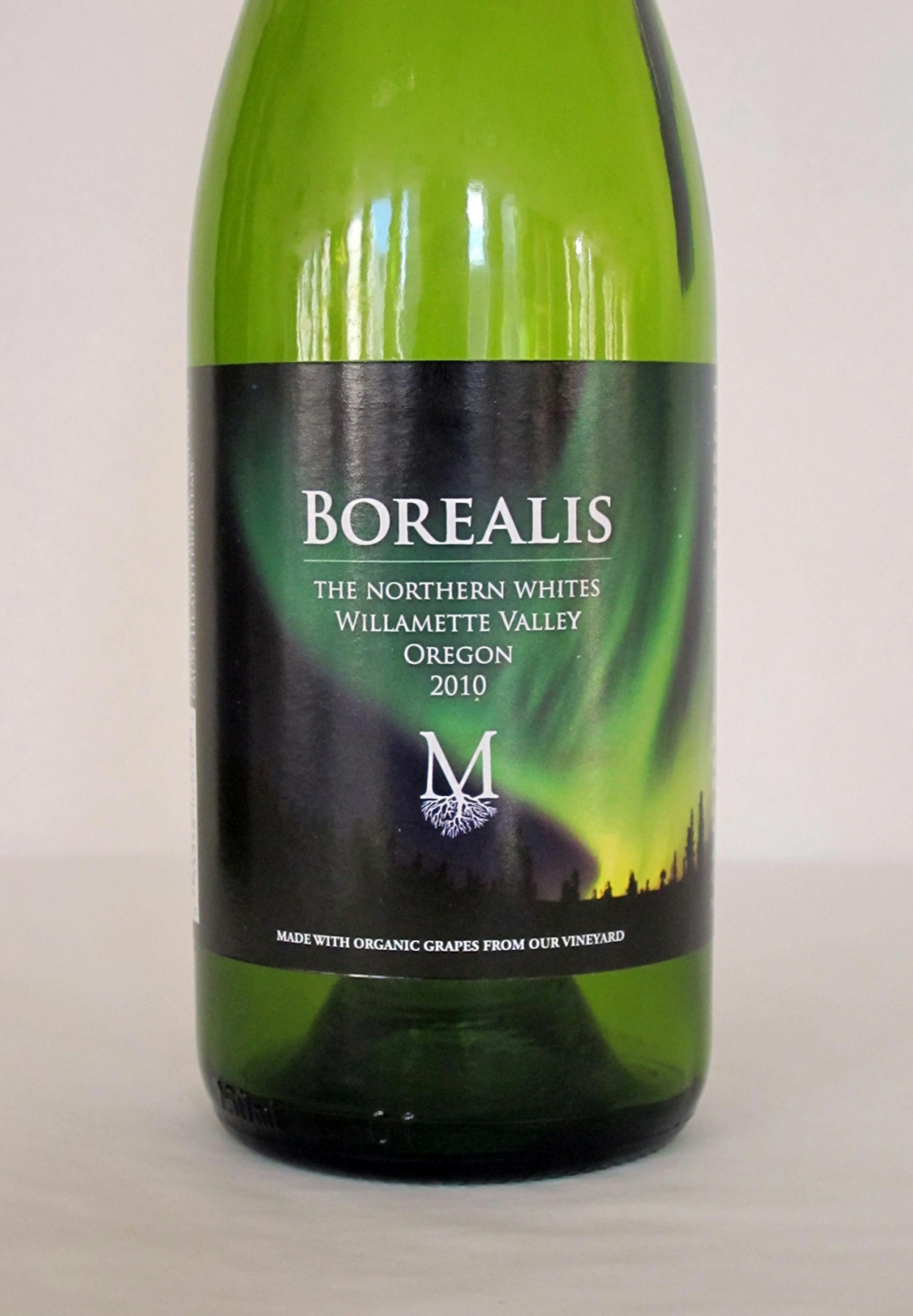
For most wine consumers, Oregon means pinot noir. And with (mostly) good reason: The state's offerings tend to be first-rate, and were perhaps the only domestic wines that felt no effects from the Great Recession.
But in my book, Oregon's white wines are every bit as stellar: crisp, refreshing and balanced. They're also anything but a poor relation: In 2010 white grapes accounted for 27 percent of the state's vineyard acreage and 38 percent of the production.
These wines show distinctive character, thanks to a cooler climate than California and a soil mix modified by the Ice Age's Missoula Flood, which sent a wall of water several hundred feet high through much of the state.
"It's the perfect storm of climate and geology," said Bethel Heights winery owner Mimi Casteel during a Twin Cities visit last year, "so that producers can make these wines that can't be made anywhere else."
Her compatriot, St. Innocent owner/winemaker Mark Vlossak, cited "the cold nights, which give our wines backbone and acidity. Essentially, the vines have to eat something, and in places with warm nights, that is acid. In places with cooler nights, instead of consuming acid, the vine shuts down."
Perhaps Oregon's most expressive white wines also happen to have "pinot" in their names.
Pioneering vintner David Lett of Eyrie Vineyards planted America's first pinot gris (aka pinot grigio) in 1966 and later promoted the fact that this varietal is the ideal match for salmon.
Today, what Vlossak calls "the most texturally interesting of all the white grapes" can be found in fine form for $15 to $18 from Bethel Heights, Erath, Anne Amie, Ponzi and Raptor Ridge. For a couple of dollars more, Adelsheim, St. Innocent and Eyrie are worth seeking out.


