Opening a restaurant in 2010's economic climate might have seemed like a dicey if not downright crazy proposition. But in one important respect, the timing was perfect:
It has never been easier to put together a wine list packed with value and wide-ranging in terms of grapes, regions and price points.
The globalization of wine and subsequent grape gluts have activated the old supply-demand axiom. The economy not only has altered consumer habits (salmon and wine at home rather than eating out) but also sounded wakeup calls for wineries (California wine sales dropped for the first time in 16 years in 2009) and a restaurant industry that had enjoyed huge, often obscene markups for years (U.S. restaurant wine sales declined by 5 percent in 2008 and 10 percent last year).
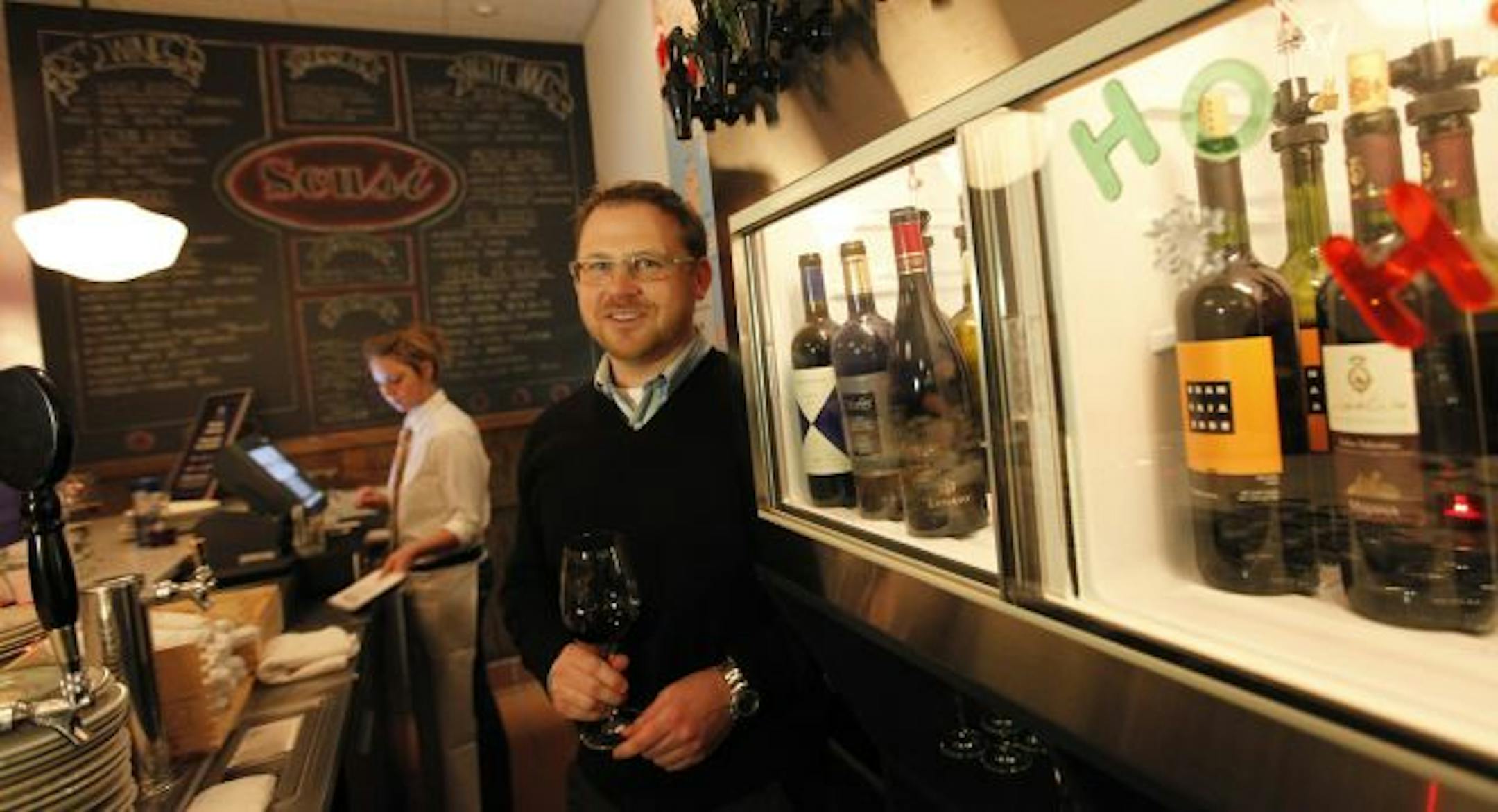
"There are a lot of options out there, a lot of great juice out there," said Luke Shimp, who put together the list at Scusi in St. Paul. "It has been fairly easy to find value."
"There's just a lot of opportunity right now," said Jeff Mitchell, who built the list at Bloomington's Parma 8200. "Before, you had to fight for allocations. Now we can introduce consumers to some things we weren't able to get our hands on three to five years ago."
At his new Minneapolis eatery In Season, chef/general manager Don Saunders is selling 10 wines for less than $30 a bottle, including "an Angeline pinot noir that I just love. To get a pinot from California that tastes that nice at that price, I'm not sure you could have done that a few years ago."
It's not just prices that have shrunk. There are many more smaller-bottle and by-the-glass offerings than in years past.
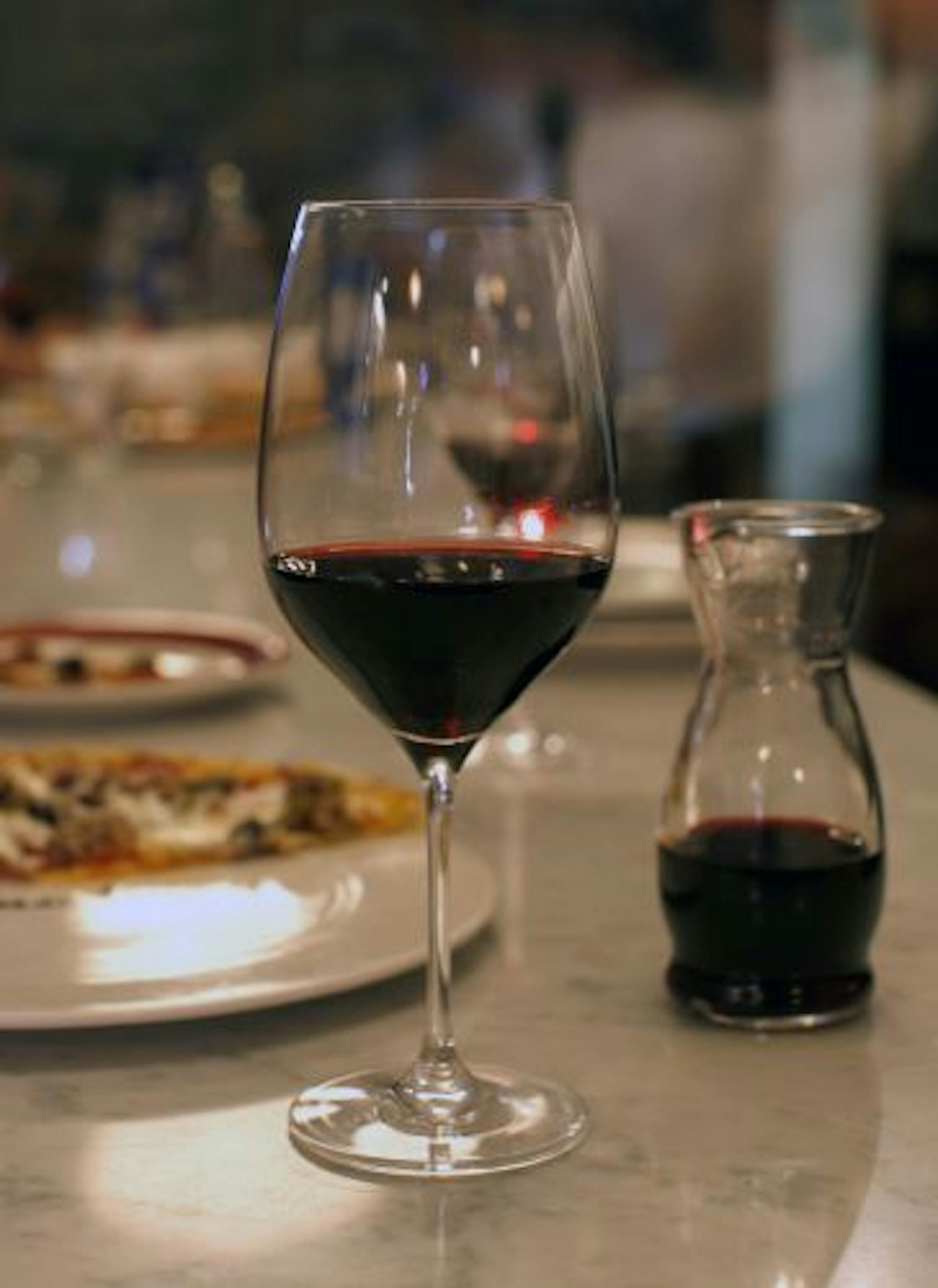
In Season sells 17 wines by the glass, Parma 8200 has 19, and Aperitif in Woodbury offers 23. At Scusi, 22 wines are available in quartino (quarter-liter) and mezzo (half-liter) sizes, and at Travail Kitchen & Amusements in Robbinsdale, all 23 wines are available by the glass (well, technically, the Coppola bubby is sold in a can).