

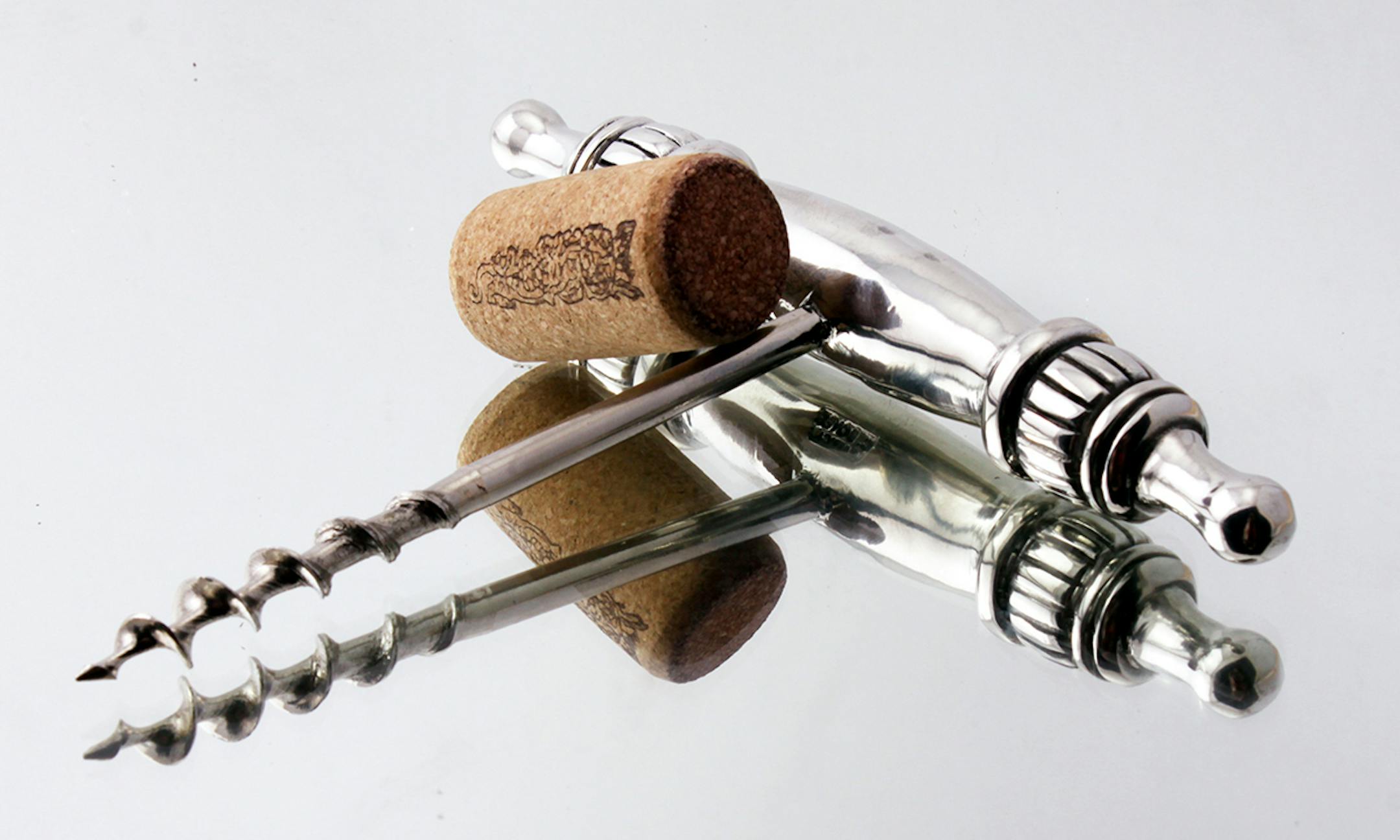
The best way to learn about wine, I've often said, is to "pop a lot of corks." It might be time to amend that aphorism.
After all, consumers have steadily come to embrace alternate closures, particularly the screw cap.
"Customers have really warmed up to the screw caps over the last couple of years," said Arpad Nagy, owner of Ken & Norm's in Minneapolis and Yarmo's in St. Paul. "Some are even quite adamant about it. Your average wine drinker or casual sipper loves the convenience of being able to screw on a cap and throw it in the fridge for a few days."
It's not just ease of use (and preservation) or the open-mindedness of the millennial generation that is prompting the movement. The biggest factor is avoiding cork taint, a mustiness emanating from the compound TCA (2,4,6-trichloroanisole) that causes the wine to smell like a moldy basement or a wet dog. Such a wine is deemed "corked."
Around the turn of the last century, cork taint was ruining so many bottles (close to 10 percent by many estimates) that wineries started switching to alternate closures. Plastic "corks" proved hard to extract and even harder to reinsert, although some still are around. Glass stoppers work splendidly but are spendy. Screw caps have proved the most viable alternative.
Wineries everywhere have adopted them, particularly for wines of a certain color. "Our customers find it completely acceptable with whites," said Mitch Spencer, wine buyer at Haskell's. "Sometimes I see people shy away from the reds [with screw caps]."
That hasn't deterred such U.S. wineries as Dusted Valley and PlumpJack from using screw caps on even their high-end reds, not to mention virtually all vintners Down Under, where the marvelously monikered New Zealand Screwcap Initiative took hold early and often.
"We started with cork in the early 2000s," said Nigel Avery, CEO of New Zealand's Sileni Estates USA and a Twin Cities resident. "We were getting one out of eight bottles returned. When we switched [to screw caps], that stopped almost overnight."


