Here's some heresy for you: People like cars. They like to drive them; they like the freedom that cars afford.
Dense cities often discourage cars and the people who prefer them, and deal with the result. The people who don't want cars will move in; people who like cars will say "Well, I know when I'm not wanted" and move out.
But if a community is already arranged around the car, it's silly to punish drivers. Any rational transit proposal should have options for those who don't have — or don't want — a car. It should have pedestrian paths, bike lanes, buses that appear more often than Halley's comet. If people like to drive to Target and load up groceries and bales of bathroom tissue and a lawn chair and a case of beer because everyone's coming over on Saturday for a cookout, it is futile to tell them to take the bus.
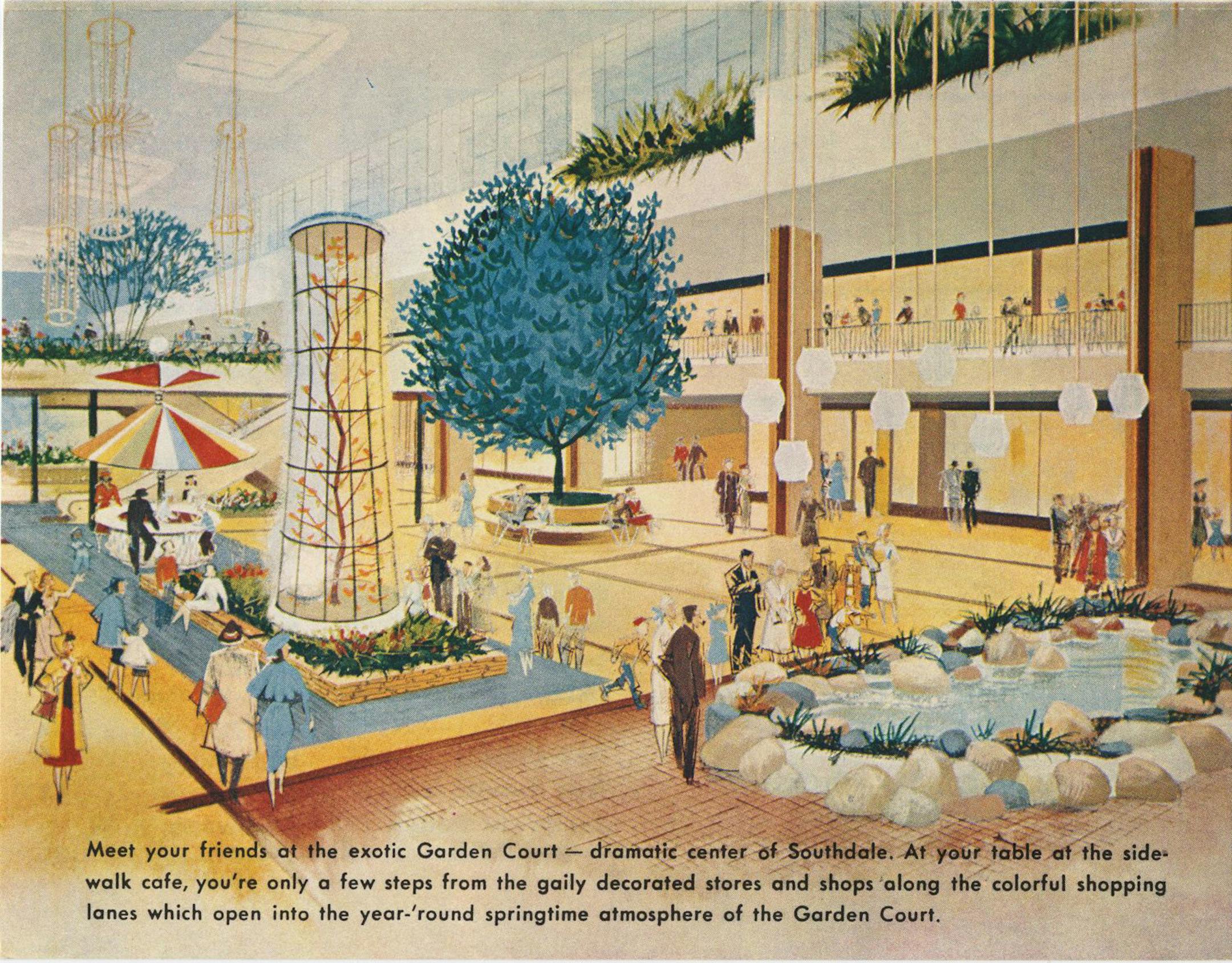
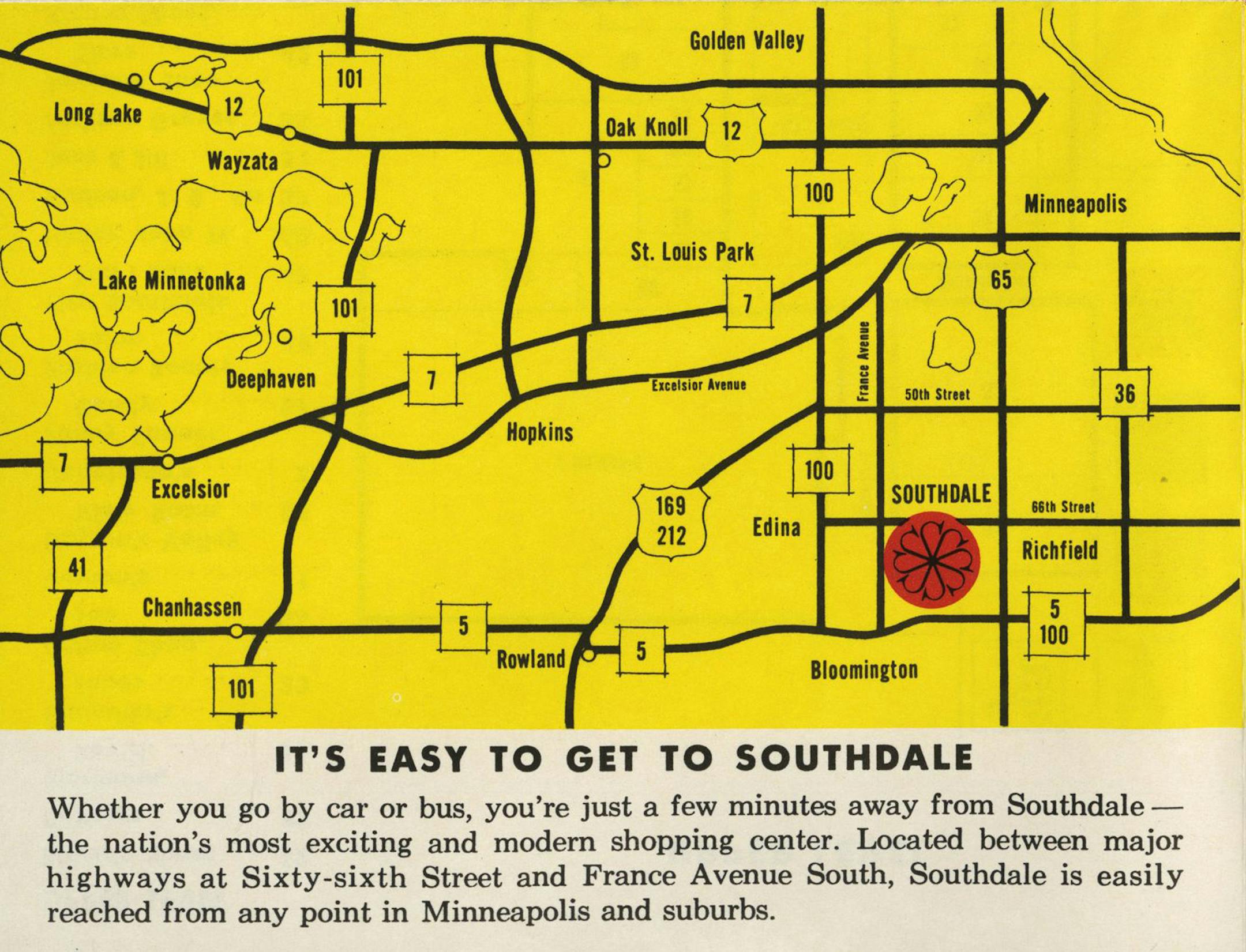
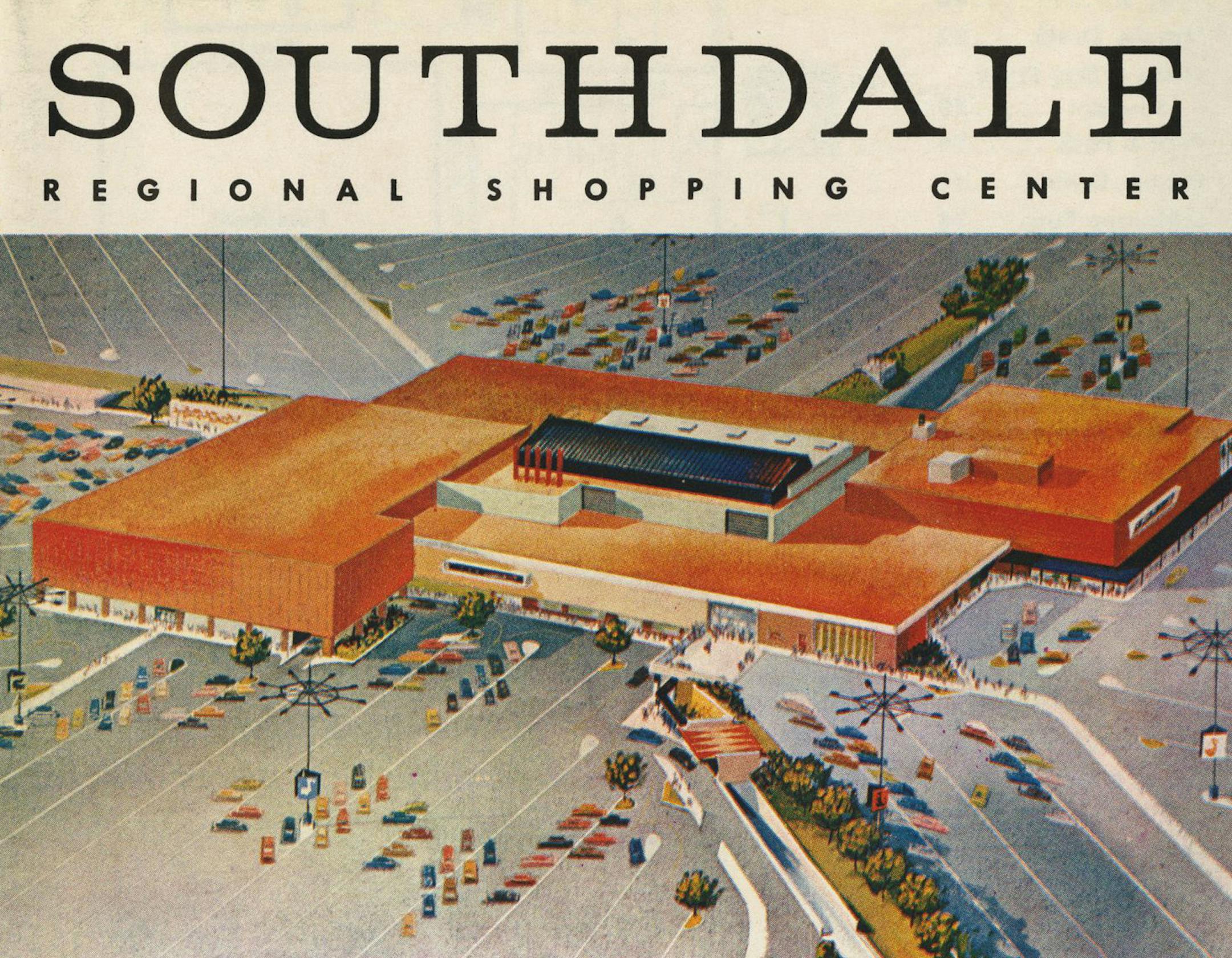
People like cars, and they're not getting out of them anytime soon. That's what the ongoing redevelopment around Southdale recognizes. It also shows that designing with cars in mind can be … beautiful.
Of course, even car lovers would admit that the aggregate effect of an automobile-based culture is ugly, especially in the suburbs. Parking lots are necessary, but they're not appealing. This just doesn't matter to most people. No one parks and walks across the Target lot thinking, "This vast expanse of asphalt really keeps the area from establishing the sort of architectural compression that makes for interesting, vibrant neighborhoods."
Why? Because it's a Target parking lot.
Suburbs are built around atomized, disconnected destinations — towers set back from the road, low-slung office buildings from the regrettable 1960s and '70s marooned in an expanse of white-striped blacktop, big box stores on the shore of a harbor where the Tahoes and Hummers are docked.
It's not intended to form anything cohesive. No one is thinking "The architectural details of the Office Depot facade really offer an interesting counterpoint to the signage of the Fuddruckers," because this isn't that kind of place. It's built to service people in cars, and it prospers because lots of people like cars.