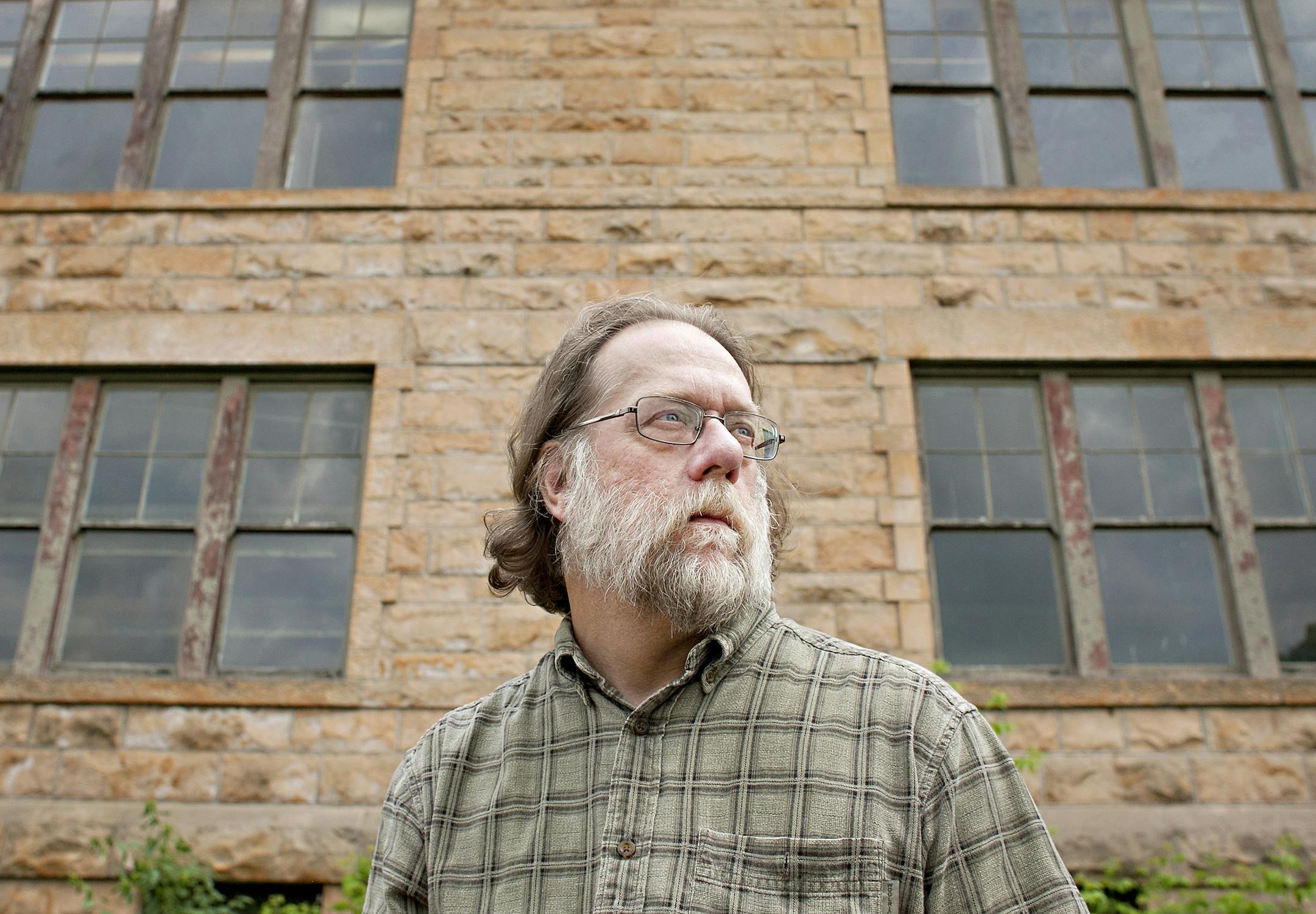
SANDSTONE, Minn. – Jack Allen stands in an abandoned school near a second-floor window that local kids use as a door. "The first thing I'll do when I get the building is block this window," he said. "They were breaking in a lot over the last summer. It was bad."
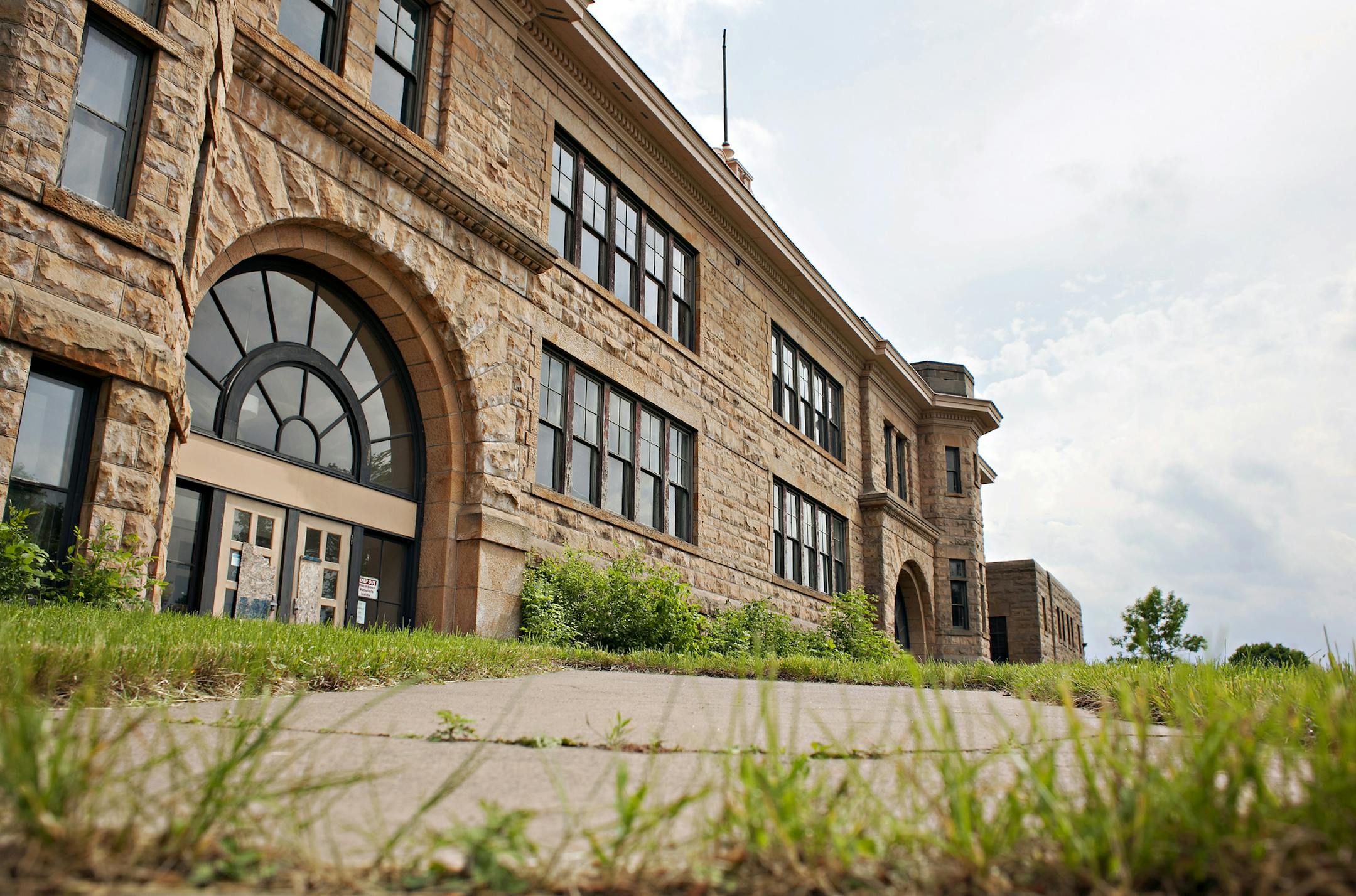
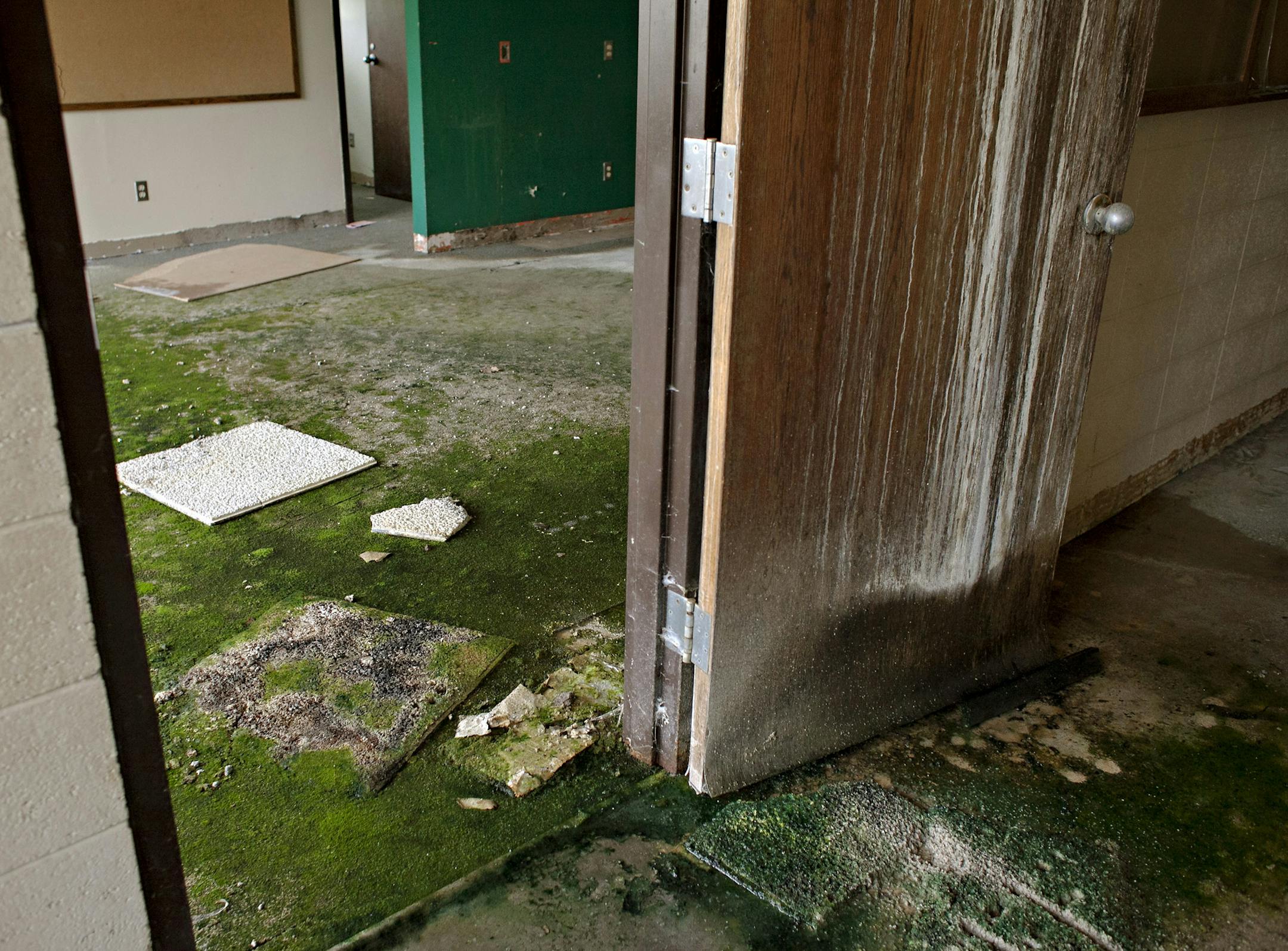
The sprawling, three-story school was built a century ago of stout blocks of sandstone from a quarry nearby. It's imposing, with grand-arched doorways, but inside it's a mess — vandalized, ransacked by copper thieves, damaged by cold. It has stood empty and without heat since a new school was built outside town.
Allen, an easygoing man with a gleam in his eye, is perhaps its best and last hope. He wants to buy the old school from the city for $1 and make it the new home of Harvest Christian School, a private school here where he is principal. He also envisions a thrift store, a coffee shop, doctors' offices, a commercial kitchen, community classrooms and events spaces. "We want to bring back that community feeling," he said. "I want people in the building. It's a majestic building."
That's a sentiment small-city residents throughout Minnesota share as they struggle with old infrastructure — schools and hotels and churches that made more sense when there were hordes of kids in town or traveling salesmen moving through. They often debate for years their options with these iconic buildings. Sometimes they find new uses for them. Sometimes cities push the buildings over. The decisions say a lot about a community's resources, cohesiveness and collective imagination.
Creative reuses
In Fergus Falls, for example, residents rallied to save the Hotel Kaddatz, which opened in 1915 and brought visitors downtown for more than 50 years. Now it's the center of a downtown arts haven that includes artist lofts, galleries, a performing-arts theater and three arts organizations. "When the center for the arts went in, nobody was open at night," said Gordon Hydukovich, Fergus Falls' community development director. "Suddenly four restaurants are open at night, some with live music. There are coffeehouses that weren't there before."
Chatfield, near Rochester, also is making an arts center from a historic structure — its former high school, which is in the middle of town. "This building was built to last hundreds of years," said city clerk Joel Young. "It wouldn't be right to abandon it after just 75 years."
But the battles over these buildings can be fierce, reflecting conflicting visions amid changing demographics and economic uncertainty. In Morris in western Minnesota, residents spent years arguing about the fate of an empty school. Finally, the city decided to tear it down this summer.
And in Kasson, near Rochester, officials are trying to knock down an old school to make way for a new library, but residents have filed a challenge in court.