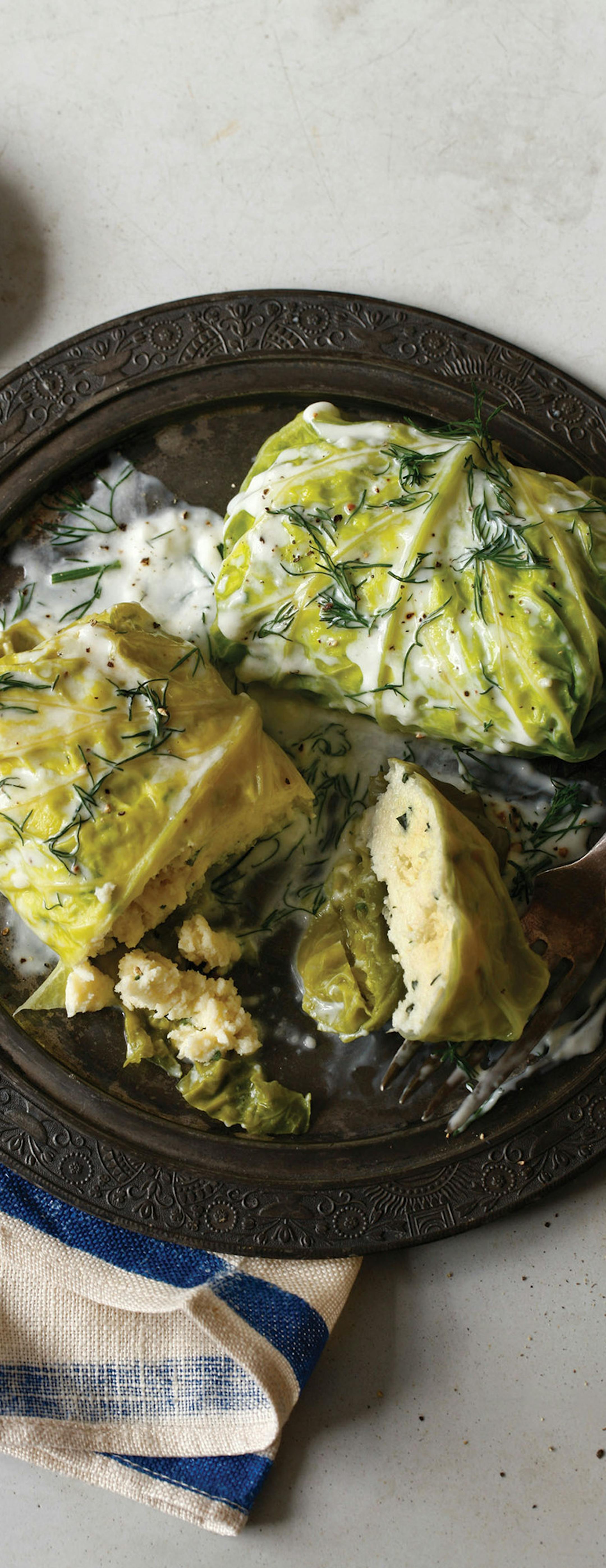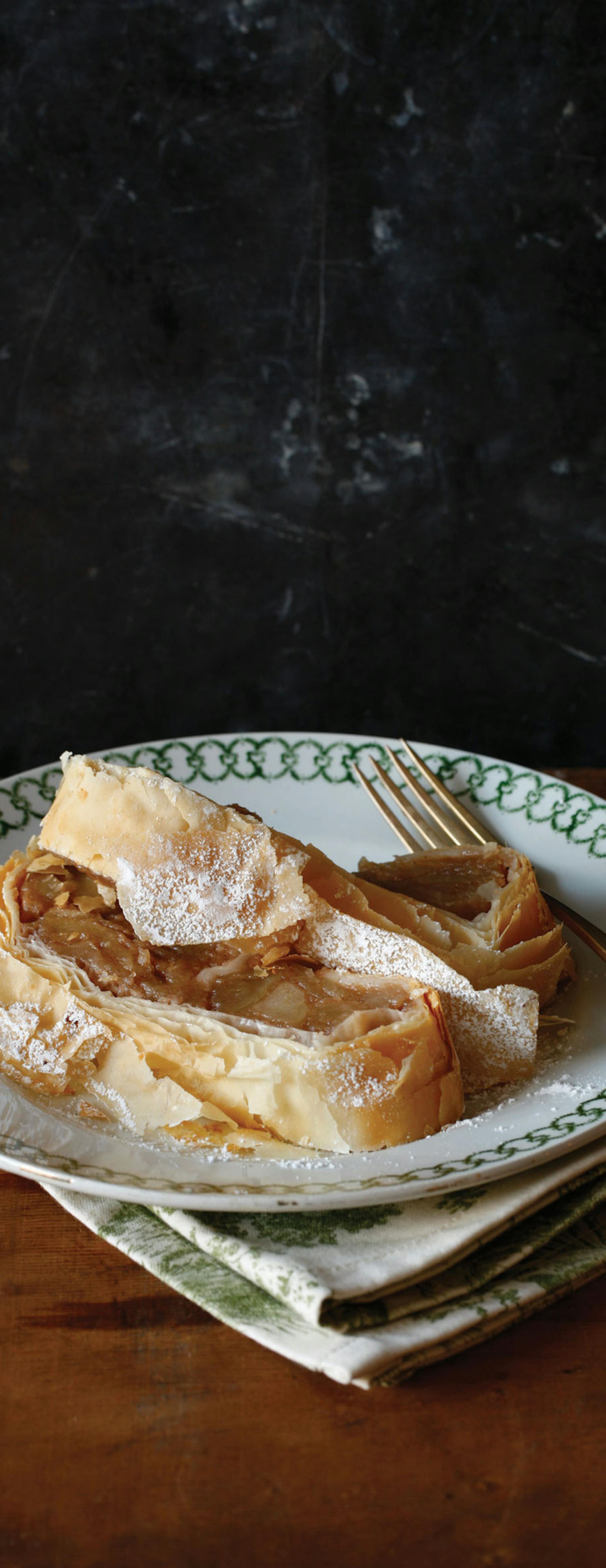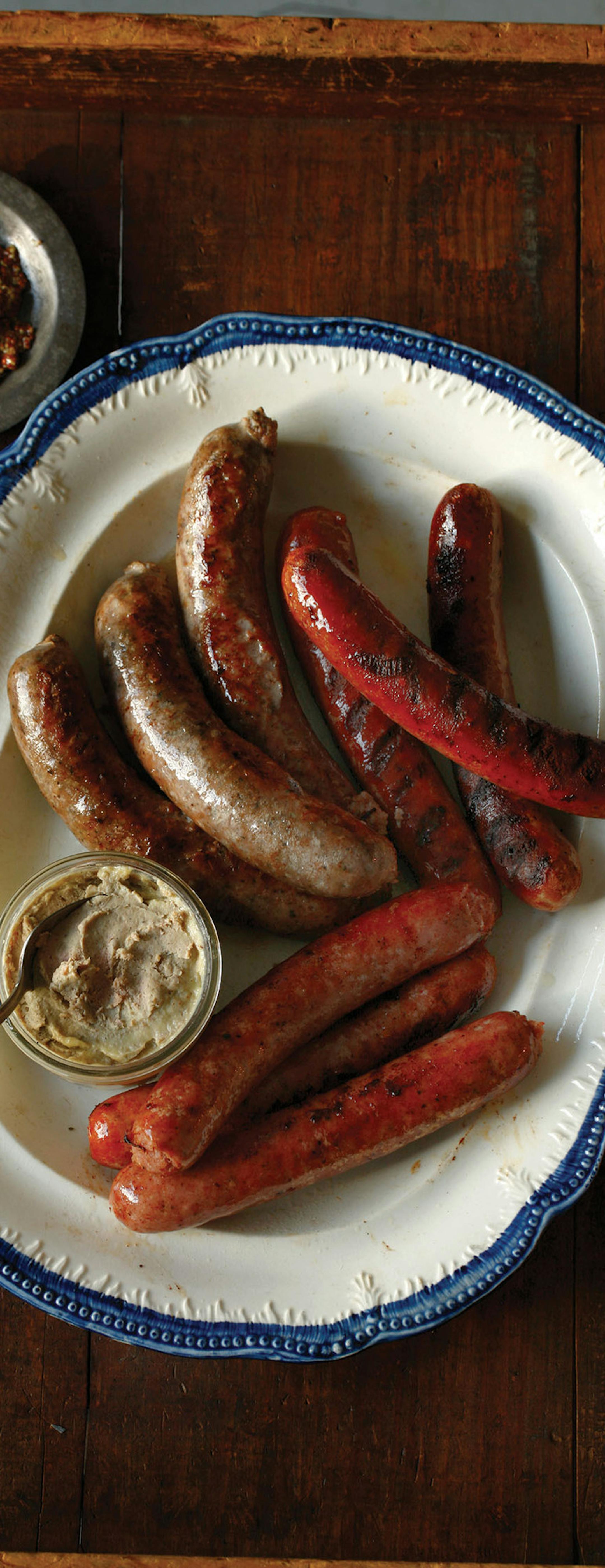
Chefs Jeremy and Jessica Nolen are working to change the perception of German cuisine, one buckwheat spaetzle at a time. The owners of the popular Brauhaus Schmitz and Wurst Schmitz in Philadelphia use their restaurant to apply contemporary cooking sensibilities to traditional German-American fare.
Now they're doing the same for home cooks. In "New German Cooking" (Chronicle Books, $40), the husband-and-wife duo infuse a fresh, seasonal spin on a long-overlooked cuisine. Riesling-braised chicken? Semolina noodles with cabbage and onions? Radish salad with sheep's milk cheese? A 10-spice apple strudel? They're the tip of the Nolens' culinary iceberg, a 100-plus recipe arsenal that takes readers well beyond the notion of ponderous German cooking.
In a recent telephone conversation, Jeremy Nolen discussed sausage-making, the wisdom of marinades and an inventive use for leftover pumpernickel bread.
Q: The Twin Cities area, like Philadelphia, is home to a huge number of people with German ancestry, yet that cultural heritage isn't much reflected in the local culinary scene. Why is that?
A: That's the situation in most American cities. Some of it is due to restaurants that have been around for a long time and they haven't adapted to change; they haven't modernized. All food was so different in the 1960s and 1970s. Even Italian and French was really basic. But for some reason, German food stagnated, and for the most part, it never evolved the way other cuisines evolved. I'm not sure why.
Q: What does the phrase "New German" mean to you?
A: A lot of it is taking inspiration from classic German ingredients and techniques, and taking it to a different level. It's my German-inspired cooking here in the United States. It's not a compendium of the cooking found in modern German restaurants.
Q: What do you tell people who are apprehensive about making sausage?