

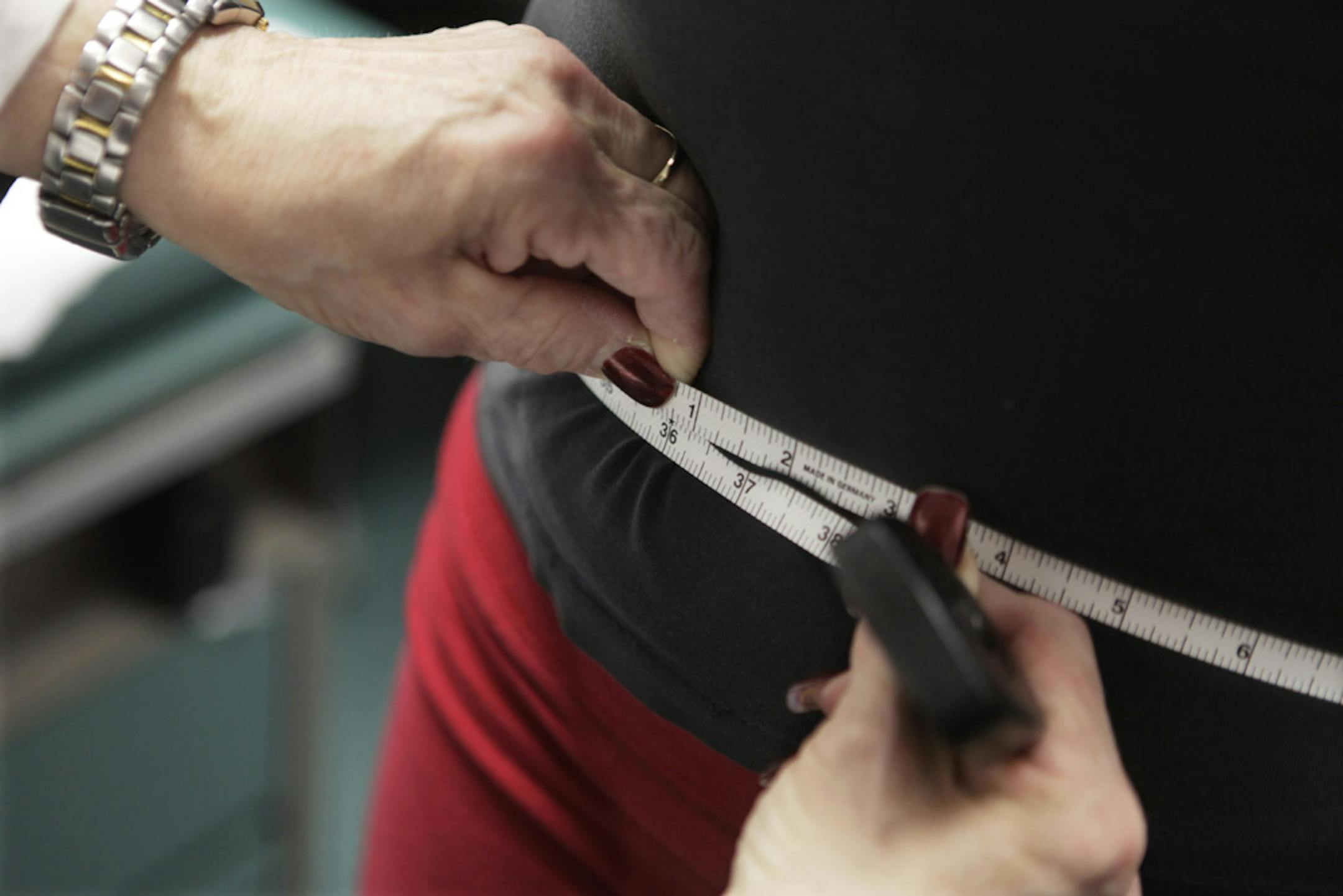
Two years ago or so, there was a piece in the New York Times Magazine about weight loss, particularly about how people can take off weight but do not keep it off. Nowhere in the article were the reasons people "choose" to overeat addressed. A recent article in the Star Tribune ("As exercise grows … so are waistlines," July 14) reflected the same bias.
Eating past the point of no harm done is one of the things people do because they are struggling with a painful childhood history, a history not healed or trending toward healing. Can a problem be solved if its genesis never sees the light? It's rare that something occurs for just one reason, but a firewall around our childhood can be part of the problem. In every childhood, there is what went well and why and not so well and why. It is important to wrap our heads around both, and ideally without shame, blame or judgment. It is what happens afterward that determines how much damage is done.
Overeating is one thing people do with hurt not healed. A recent article in the New York Times ("How Googling Unmasks Child Abuse," July 14) suggests that what has always happened will continue to happen until we learn how to do something other than hurt ourselves and/or hurt the ones we "love" because the ones we loved hurt us. There is a third way, and it is healing.


