

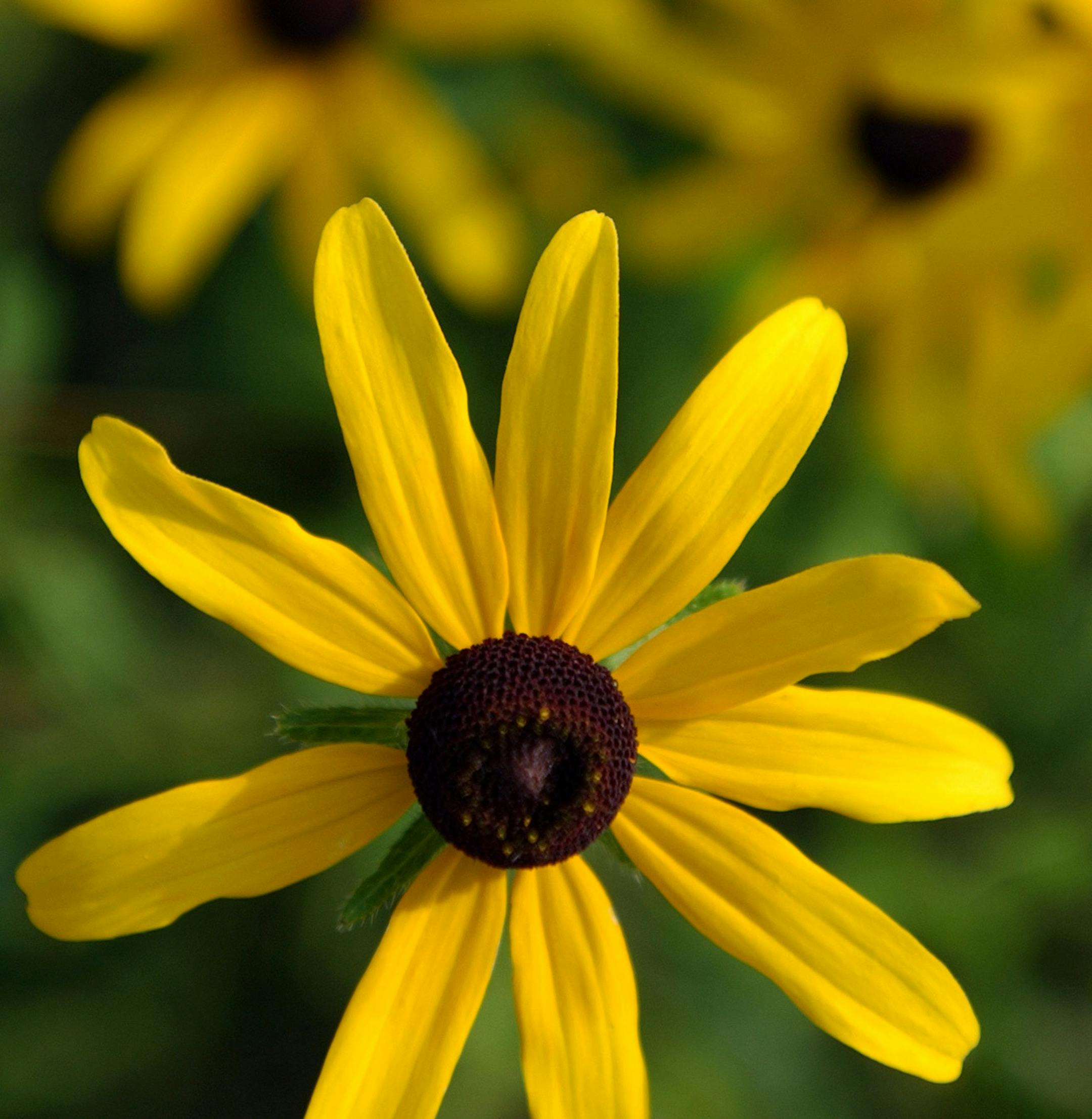
Recently there has been a lot of talk about insects and pollinators. Due to problems with bee colonies, we have finally realized how important pollination is in the life cycle of plants. And this summer those of us who enjoy the beauty of butterflies and dragonflies are faced with the fact that the droughts to the south, combined with the extensive cropping in the farm belt states, have led to very small numbers of those wonderful insects.
We do know what to do to help. On a walk around Lake Phalen in St. Paul, we marveled at the beauty of the native plantings in full bloom totally surrounding the lake. The watershed district project to filter the runoff before it gets into the lake also had resulted in a display of color to rival any of the gardens on lawns around the lake. Unfortunately, the insects and butterflies that should be covering the blooms were nonexistent.
When the issue of funding habitat projects in metro parks, using Outdoor Heritage funds, comes up again, it should get a complete hearing.
Some of our most important habitat areas are in our own yards and in our parks.


