

Andy Barnett, a graduate of Edina High School, is a master's candidate at Yale University's Environment and Divinity schools.
After many sleepness nights at Copenhagen's climate talks, I write to my friends on the frozen tundra with an urgent sense of hope. Not the "bury your head in the sand" kind of hope. I'm talking about the "roll up your sleeves, put on a rally cap, Joe Mauer's batting in the bottom of the ninth" kind of hope. Ultimately we must acknowledge that important work happens before, during and after these talks. And it is this forward work that Minnesota can engage. If you're following the news and wondering what you can do, here are some ideas.
First, global warming is undeniable, unforgiving and urgent — and you can have this conversation. Distinct and multiple data sets indicate that human emissions are trapping heat in the atmosphere at unprecedented levels. This is not politics and this is not a scam; these are cold hard facts. Even if we dispose of the data set that "Climategate" skeptics challenge, humanity rests on the work of 2,000+ scientists, gathering independent data and challenging each other's conclusions. Consensus this strong is rare in science.
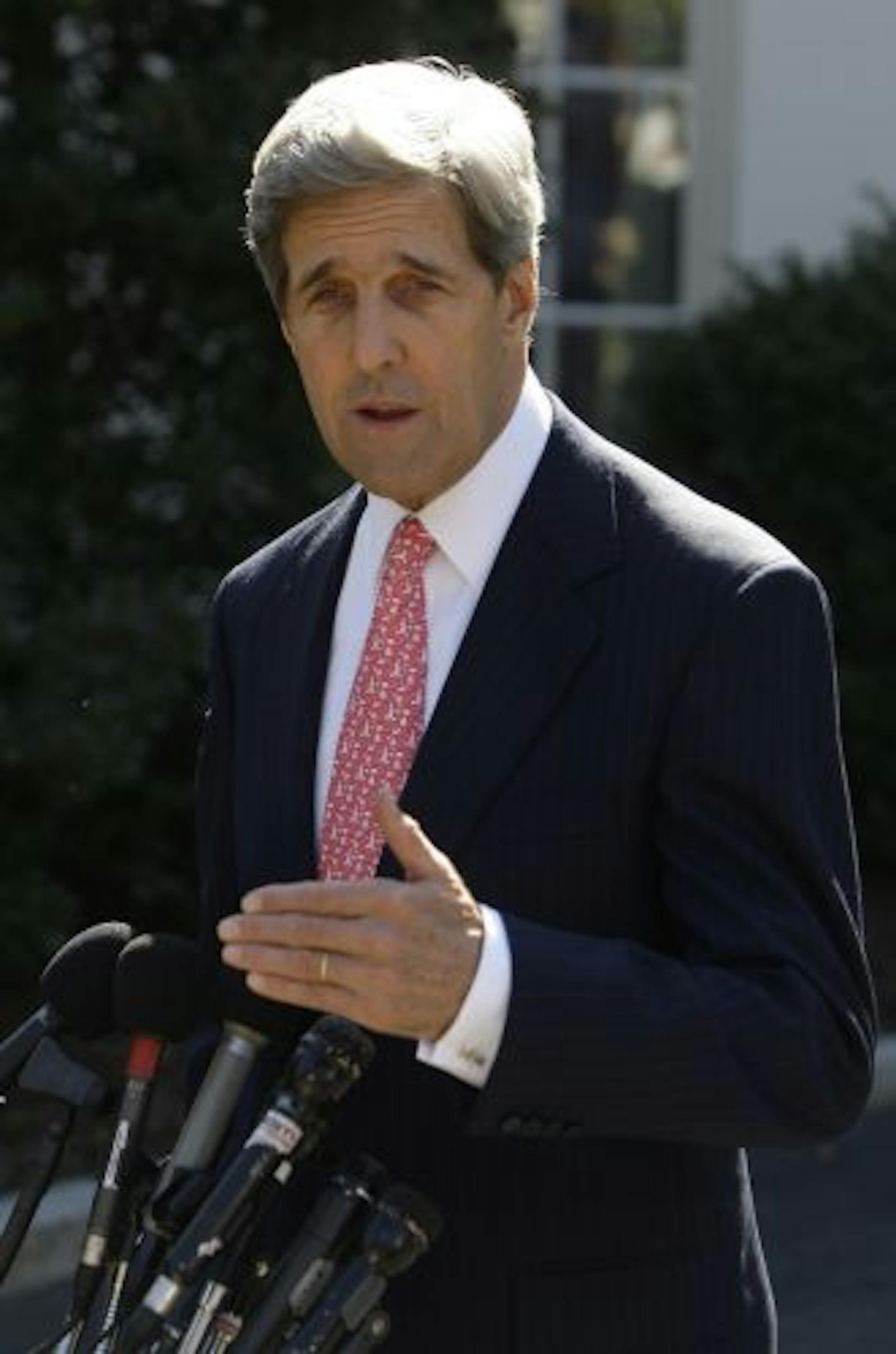
Sitting 10 feet from Sen. John Kerry yesterday, I echo his sentiments. "Those who look for excuses to continue to deny the science have a fundamental responsibility: Prove us wrong or stand down. Explain why the ice is melting, the rivers drying, the desert growing, and pony up a single peer-reviewed article that denies man-made warming. Now and forever amateur hour is over. It's time for science fact to trump science fiction. If Dick Cheney can argue that a 1 percent chance of a terrorist attack deserves an $800 billion response, then we must agree that a near-100 percent chance of climate change deserves a global response."
It is not possible to argue sanely in favor of increased droughts, floods, famine, disease, hurricanes and hundreds of millions of refugees due to rising seas. These are the consequences of unabated climate change, they have already begun, and they will worsen unless we act with fortitude and wisdom.
Second, U.S. Senate legislation would cement a global deal next year, and you can raise political support. The Clean Energy Jobs and American Power Act (S.1733) will jump start America's next industrial revolution — one based on the efficient, carbon-neutral and cost-effective movement of electrons. By putting a price on carbon, this legislation works with market forces to drive energy innovation.
Cap-and-trade works, and it fertilizes the economy. According to the Environmental Protection Agency, President George H.W. Bush's cap-and-trade policy, which targeted acid rain, saw the U.S. economy grow by 5.4 percent and provided $100 billion in annual health and environmental benefits. Despite dire predictions that the policy would cost $6 billion annually, the EPA pegs the actual cost at $1.5 billion.
When we apply cap-and-trade to carbon the benefits will be substantial. According to McKinsey and Company, U.S. companies could use energy efficiency to slash energy bills 30 percent by 2020, at a profit. We save money when we save energy, and we create local jobs that can't be outsourced. Here we see mutual benefits to people and planet as we reduce globe-warming emissions.


