

Britain has just hosted a major international conference on Somalia, attended by heads of government and senior representatives from more than 50 countries and organizations, including U.S. Secretary of State Hillary Rodham Clinton, U.N. Secretary General Ban-Ki Moon and a large delegation of Somali leaders.
Together we agreed that the time was right to work on a series of practical measures aimed at helping Somalia get back on its feet.
First, we affirmed that the transitional government in Somalia must end in August and that there must be no further extensions. The Somali people must determine the shape of their future political institutions -- so we emphasized that the political process must be inclusive and representative.
We also agreed that the political process should be open to all those who are prepared to reject violence, including those in areas currently under Al-Shabaab control.
We also acted on the decision of African Heads of State to establish a Joint Financial Management Board to improve public financial management. Our aim is to have mechanisms in place for reducing corruption, rebuilding trust and ensuring that Somali and donor funds are properly and transparently spent on providing services to the Somali people.
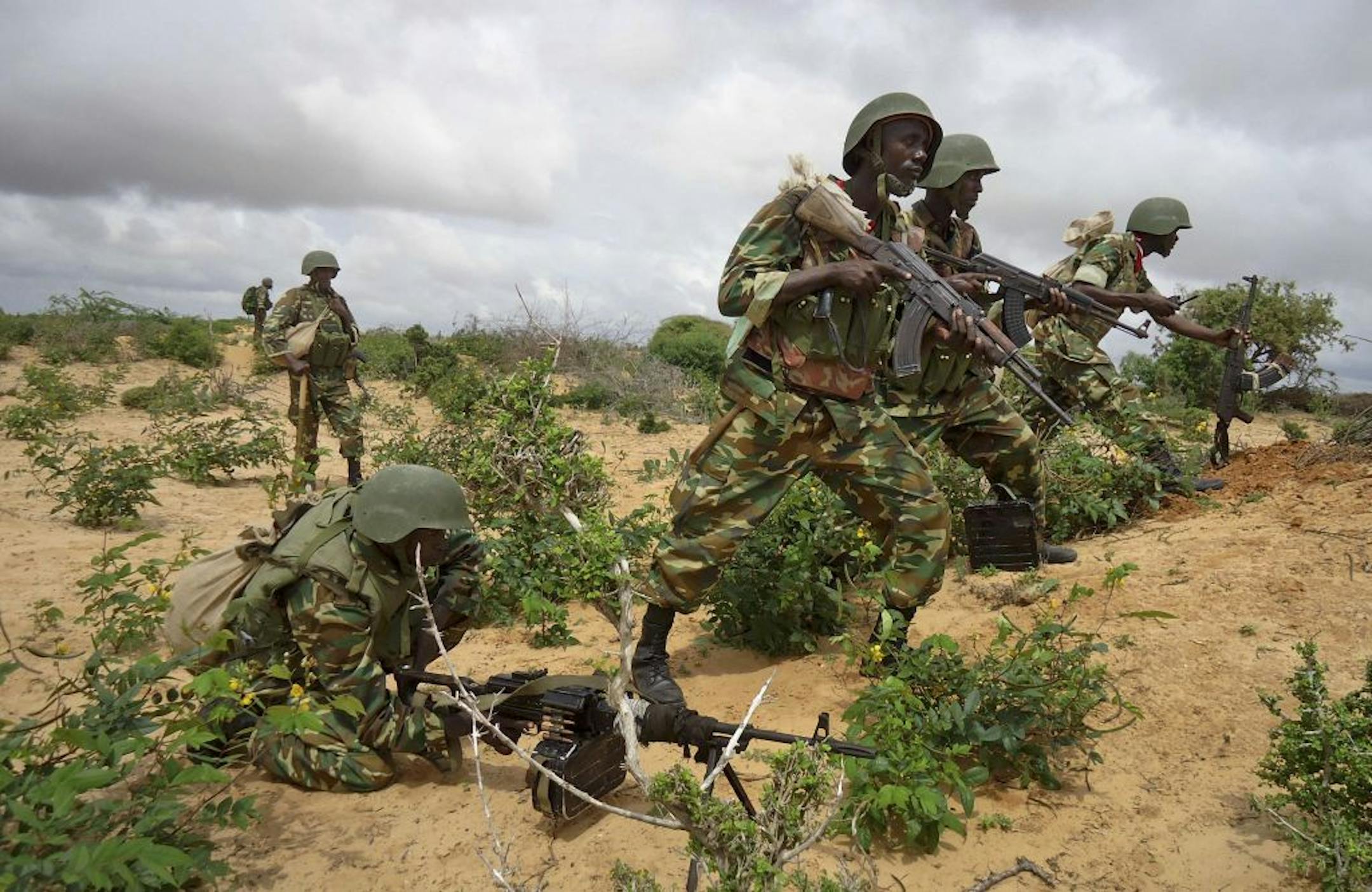
Establishing security is essential for making political progress. That's why the international community has agreed to help AMISOM (the African Union troops) extend beyond Mogadishu, to further counter the challenge currently posed by Al-Shabaab.
A new U.N. resolution has endorsed an increase in troops from 12,000 to 17,731, along with a new equipment package.
We also moved to support Somalia's regions of relative stability, agreeing to principles for aid and establishing a new fund to resolve disputes at the local level, provide jobs and basic services that local people need and support the development of the local authorities. The British Government announced a contribution of $23 million, and several countries followed suit.


