

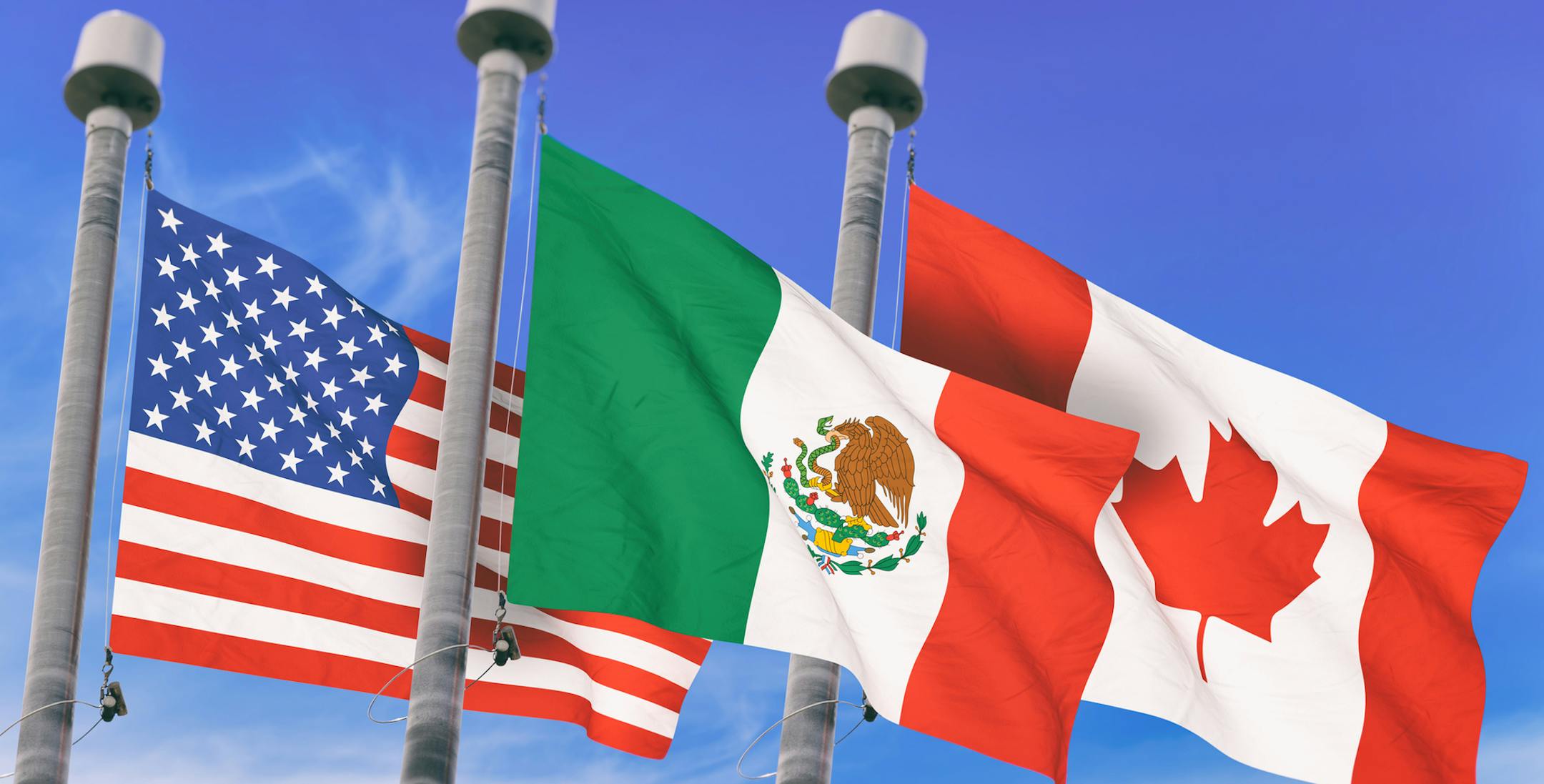
Why does the North American Free Trade Agreement — commonly known as NAFTA — matter to Minneapolis-St. Paul?
For starters, we're right in the middle of North America. Our geography, international airport, and water access via Lake Superior and the Mississippi River mean we're strategically positioned to benefit from the largest free-trade agreement in the world.
The gross domestic product of NAFTA's three members is more than $20 trillion. By eliminating tariffs, NAFTA has increased investment opportunities, benefiting American workers, reducing costs for American consumers and increasing the competitiveness of all three countries in the global marketplace.
Between 1993 and 2015, trade among the three members quadrupled from $297 billion to $1.14 trillion. That boosted growth, profits and jobs for all three countries. It also lowered prices for consumers.
Because NAFTA is important to our economic success, this week I will join business and civic leaders from around North America in Montreal to advocate for the future of Minnesota businesses. As government representatives from the United States, Canada and Mexico continue to negotiate the next steps for NAFTA, it is imperative that they know the value of NAFTA to the Twin Cities, our residents and our businesses.
From Cargill's commodities to Cummins' engines, Minnesota makes products for the world. Nearly a third of the state's exports go to Mexico and Canada at a value of almost $6.5 billion. Minnesota farmers send corn and soybeans to Mexico; over a quarter of Minnesota's taconite ends up in Canada. Minnesota benefits from imports as well. A tenth of the state's power is clean hydropower generated in Manitoba and transmitted across international borders to turn on lights from Roseau to Robbinsdale.
Some 174,000 jobs in Minnesota rely on our trade relationship with Canada; that's about as many people as work in downtown Minneapolis every weekday. Those 174,000 people work in Fridley processing oats from Canada into Cheerios and Lucky Charms for General Mills. They work at Boston Scientific building medical devices that save lives in Toronto and Winnipeg. They are your neighbors, relatives and friends.
Since the beginning of NAFTA in 1993, Minnesota's exports to Mexico have grown by over 850 percent. About 93,000 jobs in the state depend on trade with Mexico. Those jobs, and the international trade that supports them, are integral to Minnesota's economic success.


