

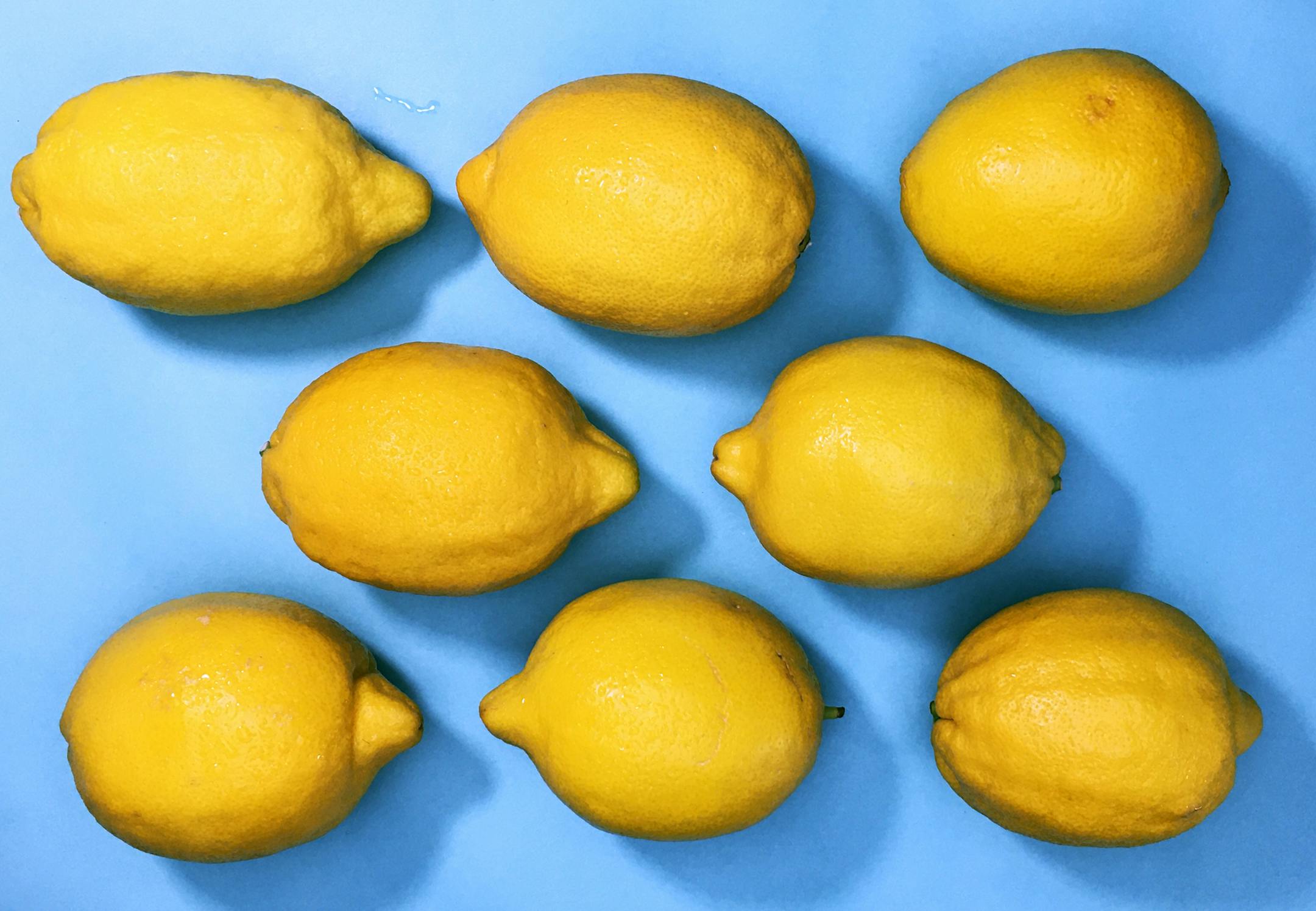
For the better part of the 20th century, the word lemon evoked bitterness, just a sour citrus that needed copious amounts of sugar to make something palatable to sell at sidewalk lemonade stands.
No more.
These days, not only have almost-sweet Meyer lemons (and Arnold Palmers) entered our world, but also a raft of lemon-tinted herbs with culinary and medicinal uses. On top of that, more Minnesotans have discovered that with a little TLC, they can even grow their own lemons, too (see story below).
And what a splendid time — after what for many has been the longest winter ever — for lemon thyme, lemon basil, lemon mint, lemon verbena, lemon balm, lemongrass and lemon bergamot to brighten, and even sweeten, our world.
"Anything with herbs in it invokes spring for me," said Bonnie Dehn, owner of Dehn's Garden Herbs in Andover, a longtime farmers market mainstay. "But lemon happens to be my favorite of all the flavors. The lemon-flavored herbs, it's amazing the different things you can do with them as far as use, and as far as smell."
Besides aromatics that invigorate any space they inhabit, lemon herbs, which actually are no relation to the fruit, have bounteous culinary and curative attributes. Lemon balm, for example, lives up to its name because of chemicals that seem to have a sedative effect. "If you make a tea with it before you go to bed, it really calms you down," said Theresa Mieseler, owner of Shady Acres Herb Farm in Chaska.
Both it and lemon verbena have been employed to treat anxiety and digestive problems, among others, but scientific evidence doesn't support most of those uses, according to medical websites.
The gastronomic benefits, on the other hand, are well proven. Besides standing in for their non-lemon counterparts in concoctions such as lemon pesto and lemon thyme-olive oil (both elevate grilled chicken or veggies), they have almost boundless applications, all simple and dynamic.


