

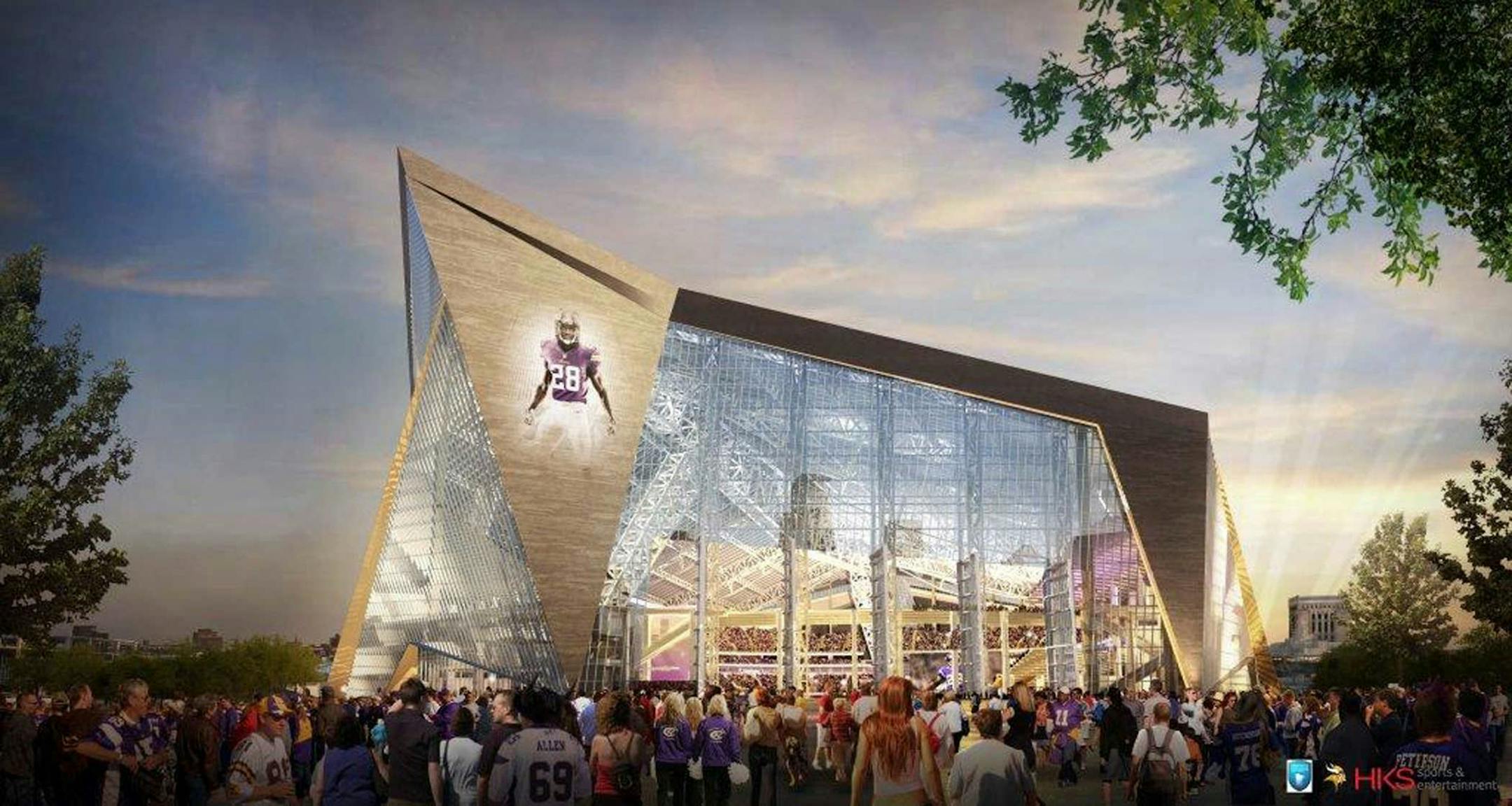
A tax relief package designed to lure the Super Bowl to Minneapolis is running up against the limits of bipartisan zeal for cutting taxes at the Capitol this year.
DFL Gov. Mark Dayton met recently with legislative leaders from both parties to press his case, and cautioned against a partisan fight that could doom the state's Super Bowl bid.
"Life will go on if we can't keep this out of the partisan politics," Dayton said. "We'll just have to let the opportunity go by."
Under consideration is roughly $10 million in tax breaks for gameday player salaries, NFL Super Bowl events and even tickets to the big game, which can reach $2,600 for the best seats.
Hanging in the balance is a once-in-a-generation opportunity to showcase the state and the new $1 billion Vikings stadium before an international audience totaling hundreds of millions. State leaders must weigh it all against the political consequences of handing out tax breaks to the National Football League and potentially some of the nation's most highly paid athletes.
Minneapolis is competing against Indianapolis and New Orleans for the right to host the 2018 Super Bowl. With the final pieces of the old Metrodome coming down, stadium officials face a deadline to put together a proposal by next month. A decision is expected in May.
"The new stadium is a significant component in analyzing Super Bowl bids, but that alone won't deliver it," said Lester Bagley, Vikings vice president of stadium development. "If the public sector is not fully on board, it won't work."
Boosters are touting the potential economic impact of the event at well north of $300 million. Some independent economic studies put the benefits at less than $100 million, still an intoxicating windfall during the sluggish winter months.


