

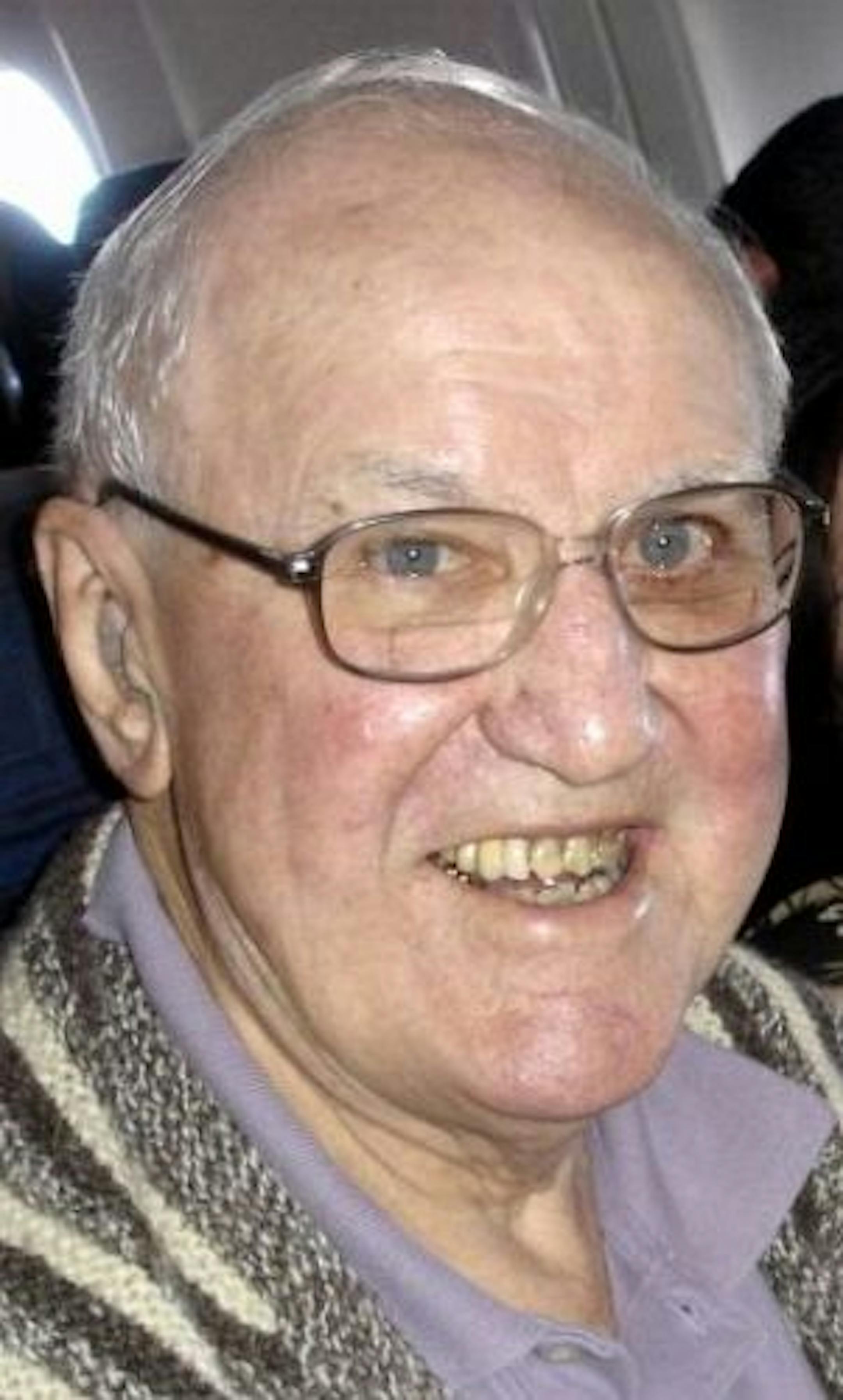
When Rudy Perpich sat next to Karl Grittner in the Minnesota Senate, he had a dictionary but kept it tucked back in his office. When asked why, the future governor responded: "Karl Grittner's sitting right next to me. Why would I need a dictionary?"
Grittner, who died March 3, had a reputation for what another Senate colleague, Tony Perpich, described as "an amazing memory." That recall and an enormous work ethic propelled him both in the Senate, where he came to head the DFL caucus by the end of an 18-year legislative career, and during his 35 years as a St. Paul educator.
Grittner, 88, of Maplewood, died of pancreatic cancer in San Antonio, where a daughter was caring for him. He was principal of Johnson High School and three junior high schools in St. Paul after starting as a social studies teacher.
He also represented his native West Side for three terms in the Minnesota House. He then switched to the Senate, where he rose to serve as minority leader in a chamber that Conservatives, which is what Republicans called themselves then, had controlled for 112 years.
Urged to run for governor in the political watershed year of 1970, Grittner opted to retire from the Legislature. Besides leading Senate DFLers, he also was working as an administrator for St. Paul schools and completing his doctorate in educational administration.
Splitting his time between the two jobs and schooling was tough, said his son, Frederick. The legislator-educator had to take a leave during legislative sessions, and the yearly pay for legislators was about $2,400, Frederick Grittner said. "My mom and dad had to budget for those legislative years," he said.
Grittner left just as the DFL nearly took control of the Senate chamber in 1970, an accomplishment they completed in 1972. As a legislator, he was considered an expert on education issues and criticized the then-new sales tax in 1969 for providing more relief to business than to homeowners.
Grittner ran for office to help people after a hardscrabble Depression boyhood in which his family received welfare, according to his son. He worked his way through Hamline University in jobs ranging from shoveling coal to helping publicize the university's noted basketball team.


