

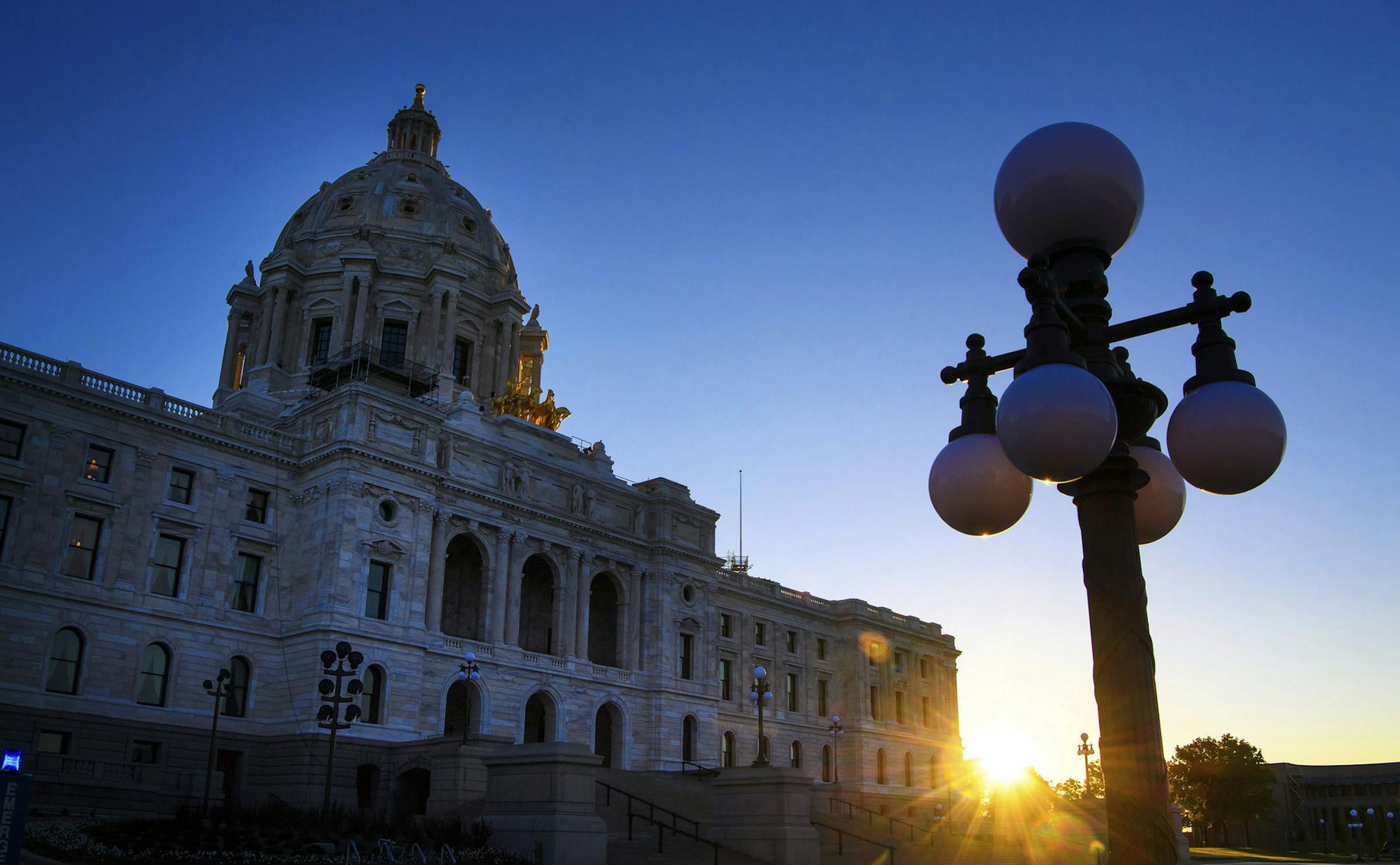
It was a productive legislative session, especially considering Minnesotans once again sent a divided government to St. Paul, with Republicans controlling the Legislature while DFL Gov. Mark Dayton embarked on the second half of his second, final term.
Together they gave more money to roads and schools, cut taxes for some, subsidized the state's individual insurance market, ensured you won't need a passport to board domestic flights and OK'd Sunday liquor sales.
But it still ended in acrimony and constitutional conflict. Here's a look:
WHAT GOT DONE
Tax cuts for some
Nearly $650 million in tax reductions for select beneficiaries: senior citizens through an exemption on Social Security benefits; college students, graduates and their families with a tax credit on loan payments and 529 college savings accounts; business owners, farmers and ag-land owners via property tax relief; families with young kids through modifications to the child and dependent care credit; and smokers through repeal of an automatic yearly increase in cigarette taxes and a tax cut on cigars.
Health insurance subsidies
Lawmakers propped up Minnesota's struggling individual insurance market, which serves about 190,000 customers. State money came in two chunks: $542 million to help health insurance companies cover particularly high claims, and $326 million in direct premium relief to customers who saw steep increases.
Real ID, finally
After several years of uncertainty and shifting deadlines, Dayton and legislators finally agreed how to bring Minnesota into compliance with the federal security standard Real ID. The new licenses should be available by October 2018; until then, the state expects a federal waiver will allow standard licenses to suffice as ID for domestic air travel and entry into federal facilities. New licenses obtained between now and when Real ID licenses are available should continue to comply until they expire.
Teacher hiring
Republicans got Dayton to sign off on two policy changes governing teacher employment. One allows local districts more latitude to scrap "last in, first out" seniority rules in personnel moves. The other aims to create an easier path to teacher licensure.


