

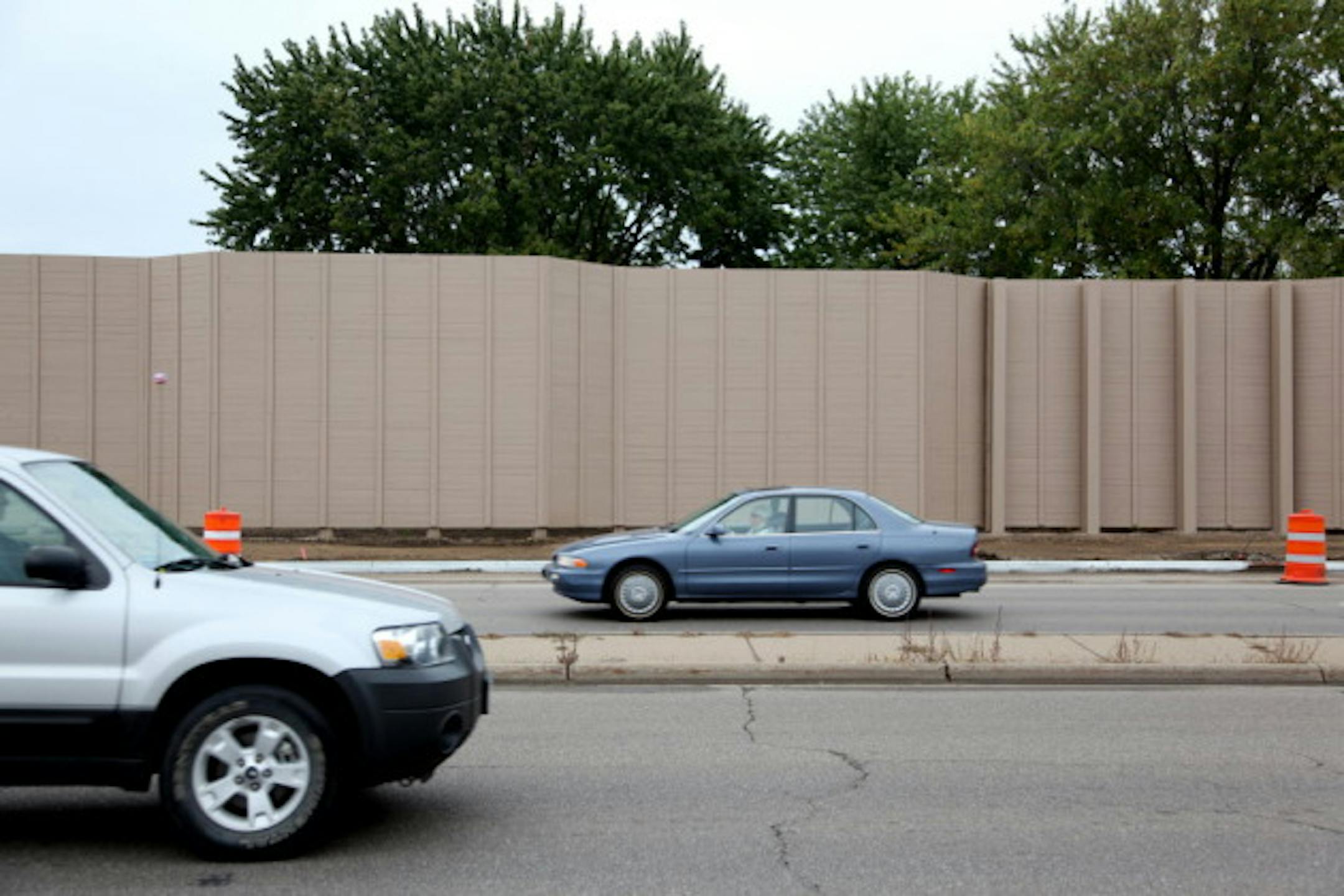
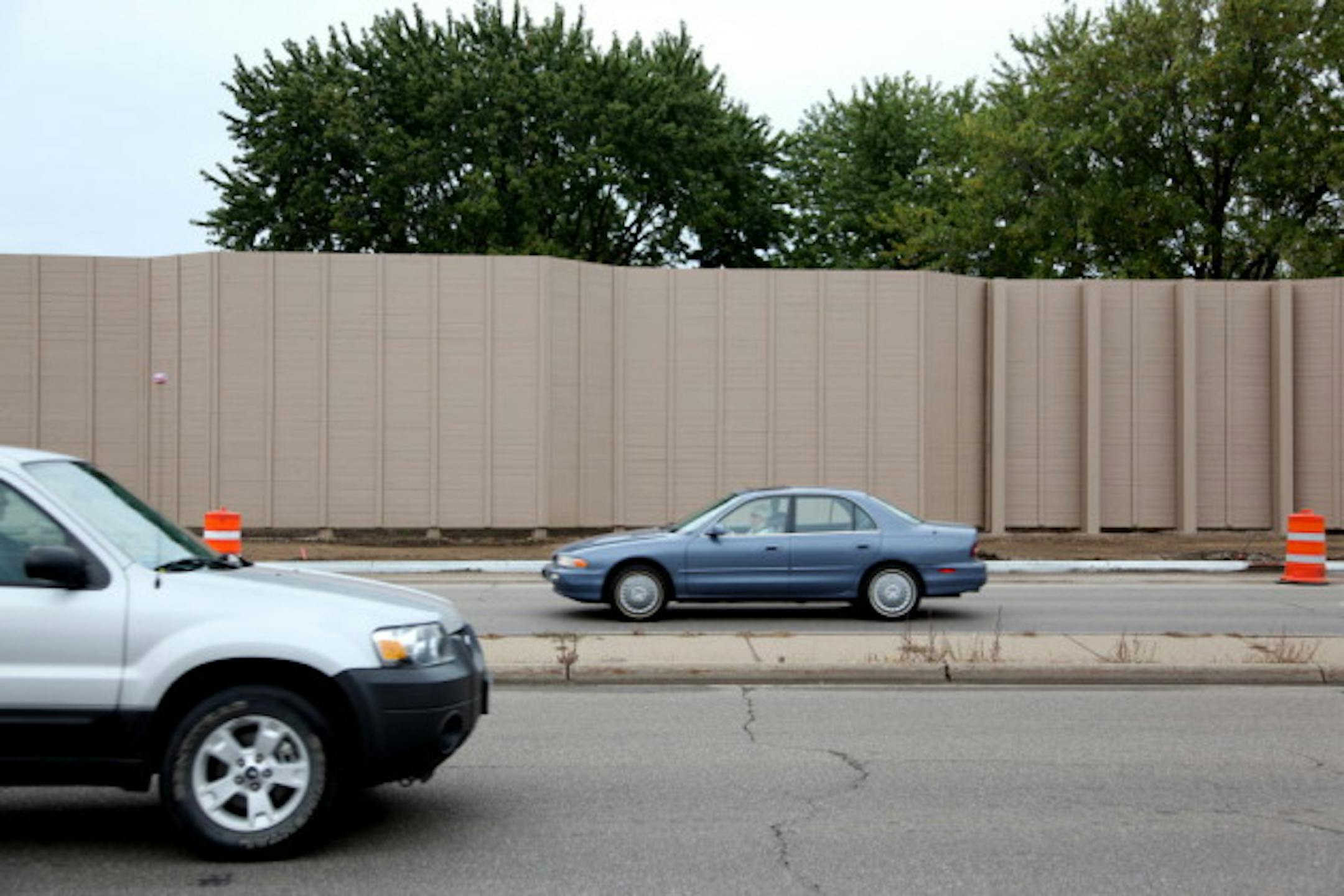
For the past several months, the Minnesota Office of the Legislative Auditor (OLA) has been looking into policies that the Minnesota Department of Transportation uses to build and maintain noise walls and how the agency decides where to build new ones.
The report due out Tuesday morning also will examine what types of materials MnDOT uses when erecting barriers to shield homes and businesses from highway noise.
The study came about after Legislators and members of local communities criticized several aspect of MnDOT's policies governing noise walls, including its use of primarily wooden barriers as opposed to concrete walls, its approach to gathering community input, and how the agency goes about replacing or retrofitting existing noise walls.
Specifically the audit will look at policy choices MnDOT has made about noise barriers on federally funded projects, whether or not the agency's policies unduly favor some projects over others,and if policies adequately address long-term maintenance issues.
The OLA says its findings will be based on interviews with MnDOT officials and data, input from local officials and community members, and noise wall practices in other states. The OLA will give its report at 10 a.m. in Room 200 of the State Office Building.
MnDOT's current policy regarding noise walls was enacted in 2011. Here some of the criteria MnDOT uses in deciding whether to put up a barrier:
- Does MnDOT have the required right of way to construct the barrier?
- Safety concerns such as sight distances.
- Will the barrier meet a cost effectiveness factor of $43,500 in an area where "frequent human use occurs and a lowered noise level would be of benefit.
- Will the barrier provide a substantial reduction in noise?
- Soil types and wetland areas in the proposed project area.
- Will hydraulics or drainage features on Mn/DOT right of way be impacted?
- Buried utilities or utility relocation needs
As of December 2011, MnDOT had constructed approximately 114 miles of noise walls and berms throughout the state, with a majority of them along highways and freeways in the metro area.
Current construction costs on an average are $20 per square foot. This translates into a 20-foot high wall costing approximately $2.11 million dollars per mile, according MnDOT's web site.


