

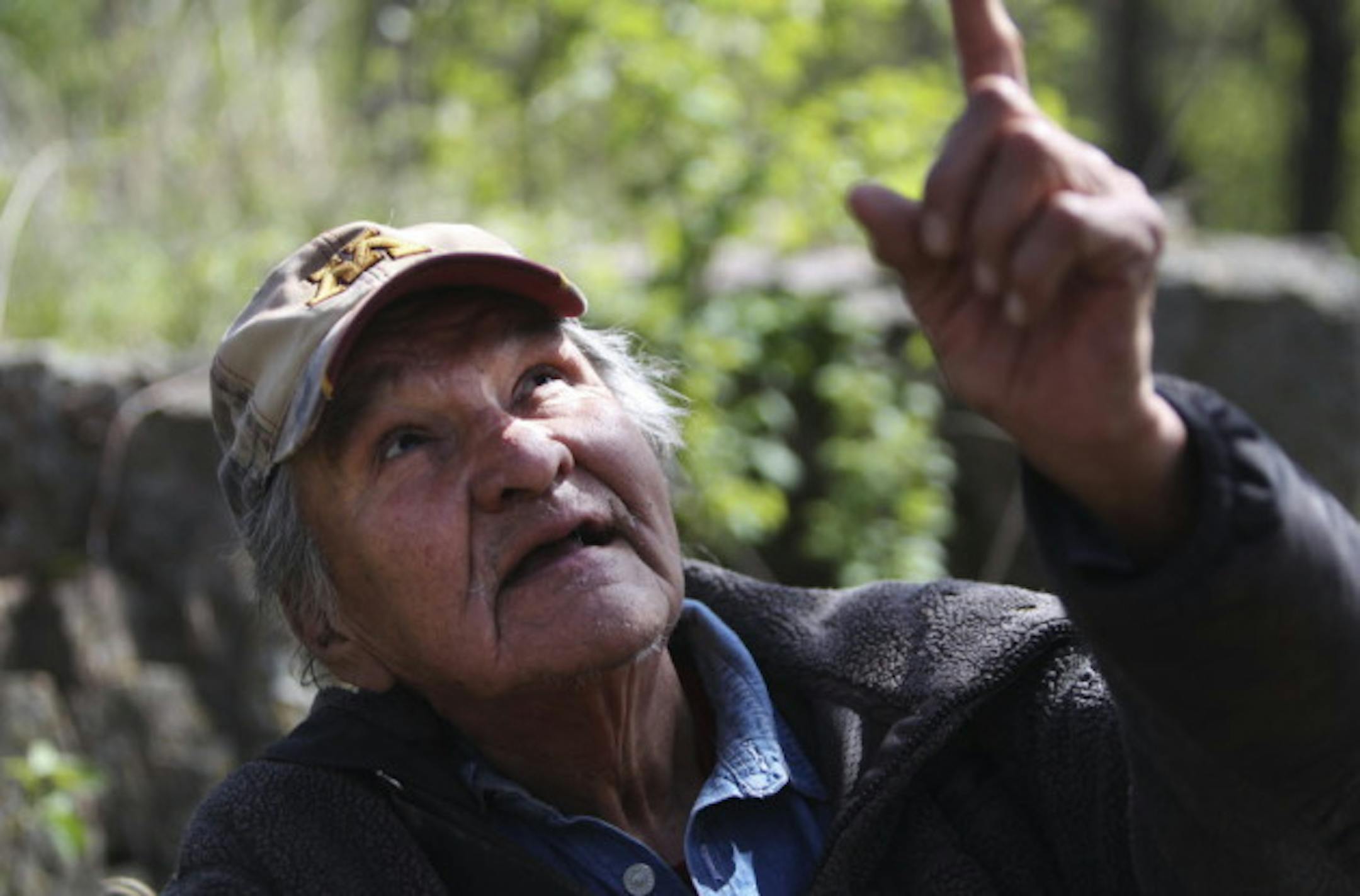
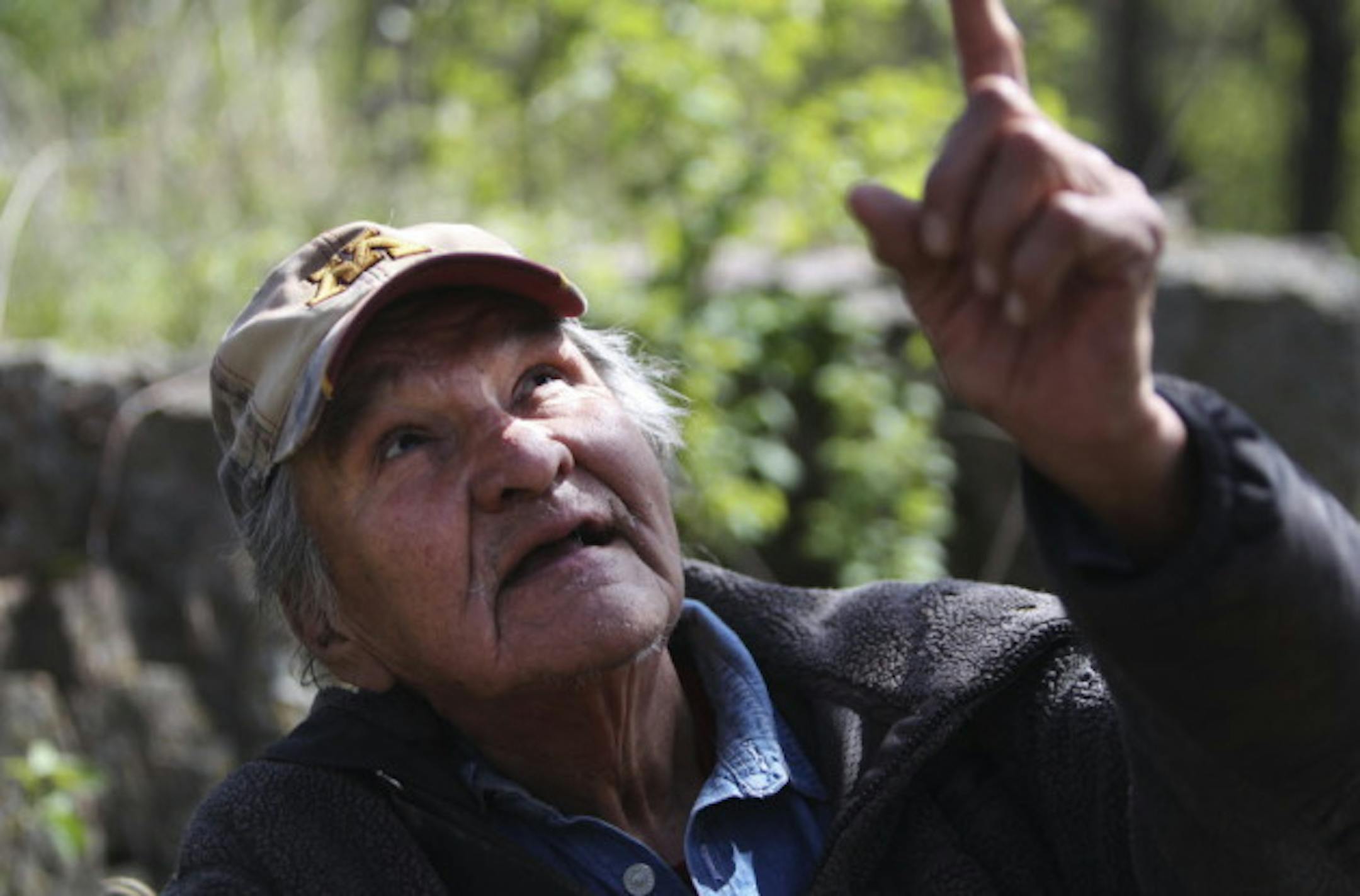
PIPESTONE, MINN. -- After a lifetime of carving scared pipestone, Billy Bryan's handshake was bone-crushingly vice-like. "That's what you get from throwing a sledgehammer for 60 years," he joked in an interview this summer.
Bryan, a fixture at the Pipestone National Monument who worried about the future of the Native American pipe-carving tradition, died Monday from a heart attack. He was 70.
In a series of interviews this summer with the Star Tribune, Bryan talked about the lifetime he spent amid the red rock outcrops of southwestern Minnesota:
"I was born on the top of the hill over there at the Pipestone Indian School," he said. "I was raised a half-mile south of the grounds. And I'll be buried in the boneyard a half-mile west. I've got one foot in the grave and the other's slipping."
Despite that foreboding, he was in good health and would walk a few miles to the monument every day. Bryan joked that he was a mixed-blood: "My father was Ojibwe and my mother was Dakota."
He'd point to a crooked slippery elm tree beside a quarrying pit and explain that his mother would hang his cradle board on that tree. As a 12-year-old, Bryan counted the pipes he carved. By the time he reached 14, he quit counting because he'd reached 2,200.
"Ninety-eight percent of the work is getting the rock out of the ground," he said. "And 2 percent goes into carving a pipe, which I can do sitting in the shade taking a nap."
The National Park Service issues 56 quarrying permits a year to Native Americans. Only hand tools such as hacksaws, hammers, wedges and files can be used to extract the soft red rock.


