

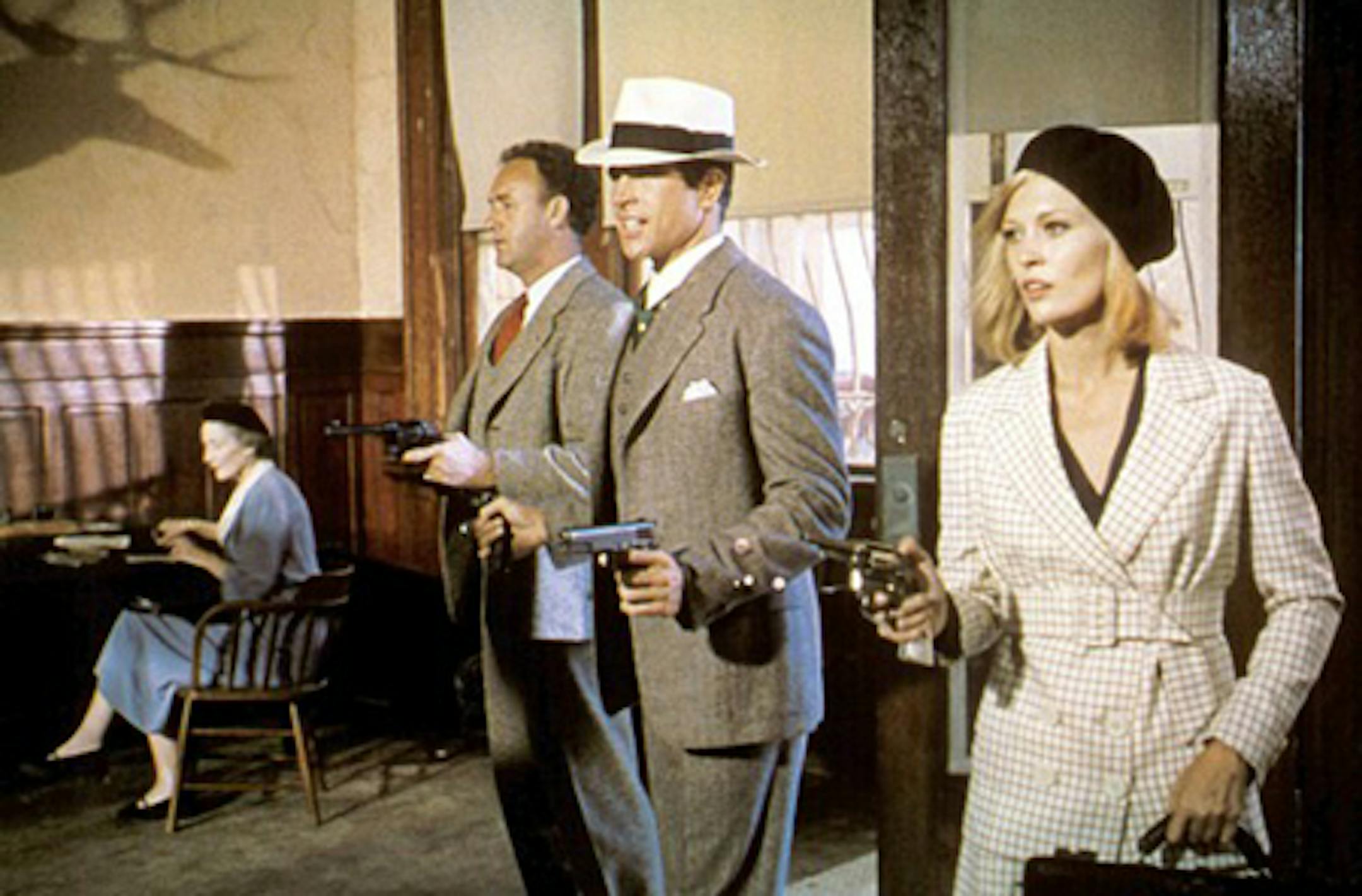
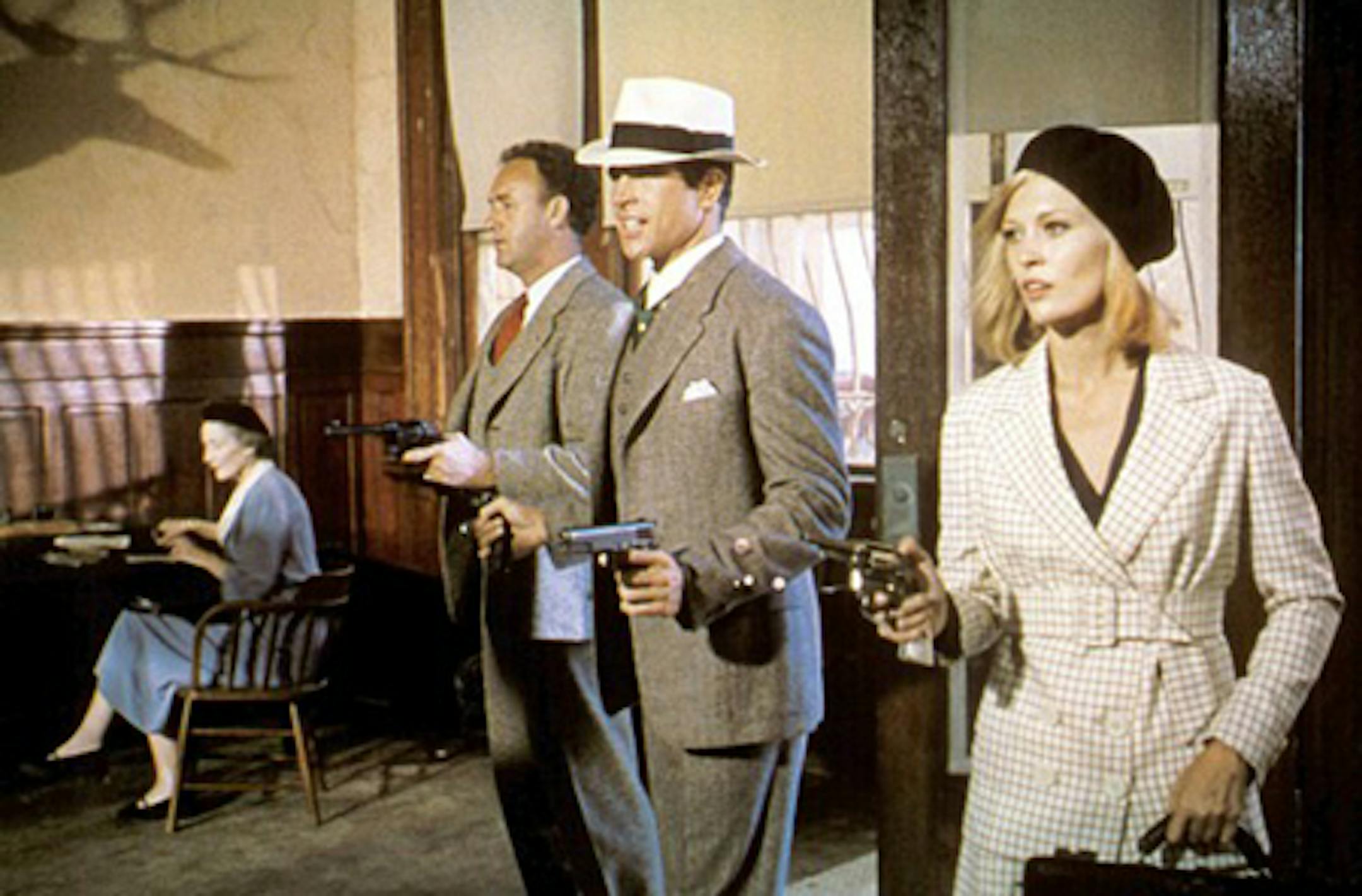
Dede Allen's innovative editing helped make "Bonnie and Clyde" a modern landmark. Dorothea Corothers "Dede" Allen was born in Cincinnati on Dec. 3, 1923. She attended Claremont Calif.'s Scripps College but left to become a messenger at Columbia Pictures, pursuing her dream of becoming a film director. Instead, she became a renowned film editor and a key collaborator on many of the most influential American films of the 1960s and '70s. She rewrote the rules of film editing with her work on Arthur Penn's "Bonnie and Clyde" (1967) and earned Oscar nominations for "Dog Day Afternoon" (1975), "Reds" (1981) and "Wonder Boys" (2000). She died Saturday at 86, following a stroke. Allen worked repeatedly with some of Hollywood's top directors. She worked with Penn on "Alice's Restaurant," "Little Big Man," "Night Moves" and "The Missouri Breaks." She cut Robert Rossen's "The Hustler"; Sidney Lumet's "Serpico" and "The Wiz"; Grorge Roy Hill's "Slaughterhouse-Five" and "Slap Shot" and Robert Redford's "The Milagro Beanfield War." Allen employed innovative jump cuts, staccato rhythms and transitions with sound overlapping scenes. But it was her audacious work on the final surprise attack in "Bonnie and Clyde" that earned her a place in film history. The ambush sequence includes more than four dozen cuts incorporating slow motion, high speed, and scores of camera angles. The New Yorker's film critic Pauline Kael hailed the unforgettable "rag-doll dance of death," calling it "a horror that seems to go on for eternity, and yet it doesn't last a second beyond what it should." Allen's film career spanned four decades. While she never made a film of her own, for seven years during the 1990s she was an executive at Warner Bros., overseeing the production of many films. In 1994, Allen's editing peers awarded her their craft's highest honor, a career achievement award. Many of her innovations are now part of the standard vocabulary of modern film making.

