

It's hard to believe that long-dead performers still make so much money that Forbes dedicated part of its website to the topic.
It ranked Michael Jackson as its "top-earning dead celebrity" last year, which is both creepy and the kind of private financial information Forbes typically publishes.
Whether the late Minnesota musical legend Prince pops up on this list next depends on a lot of factors that are not easily known. One of them is whether our state legislators have the good sense to make it easier for Prince's estate to legally protect the value of his image and likeness.
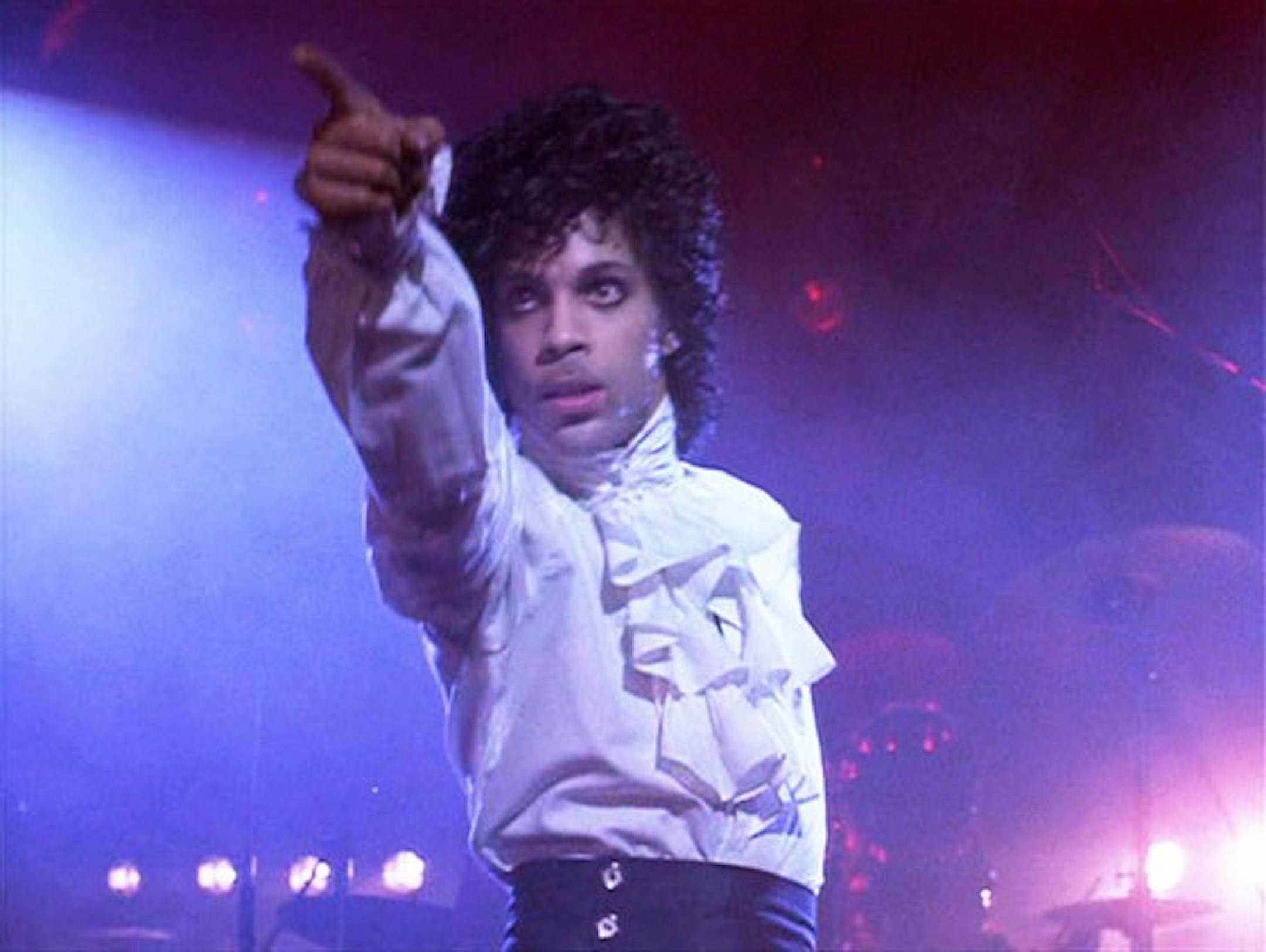
Putting a number on what Prince's identity may still be worth isn't an easy valuation assignment, but no one has to spark up an Excel spreadsheet to determine that it's got to be greater than zero. At 50 paces, an image of Prince on a purple poster would obviously be of him. Think of the sales potential.
Controlling the commercial use of a person's image and likeness is called the right of publicity, and since Prince died last month a bill has been moving in the Legislature to protect that right.
As described by Joel Leviton of the Minneapolis law firm Stinson Leonard Street, Bremer Trust was assigned by the court to act as special administrator for Prince's estate and started the process of assessing what's in it. One of the first problems identified by Stinson Leonard, Bremer's counsel, was the threat of his image getting ripped off.
There is a history of Minnesota case law protecting living artists, and extending it beyond their lives "is really something that Minnesota should have [in statute] anyway," Leviton said. "It's another property right that artists should have. "
When an advocate for better control of the right of publicity phoned here, it took two full explanations for me to grasp how it could possibly be an issue. Doesn't the legal principle of common sense apply? Can someone really make money off the image of an artist who just died?


