

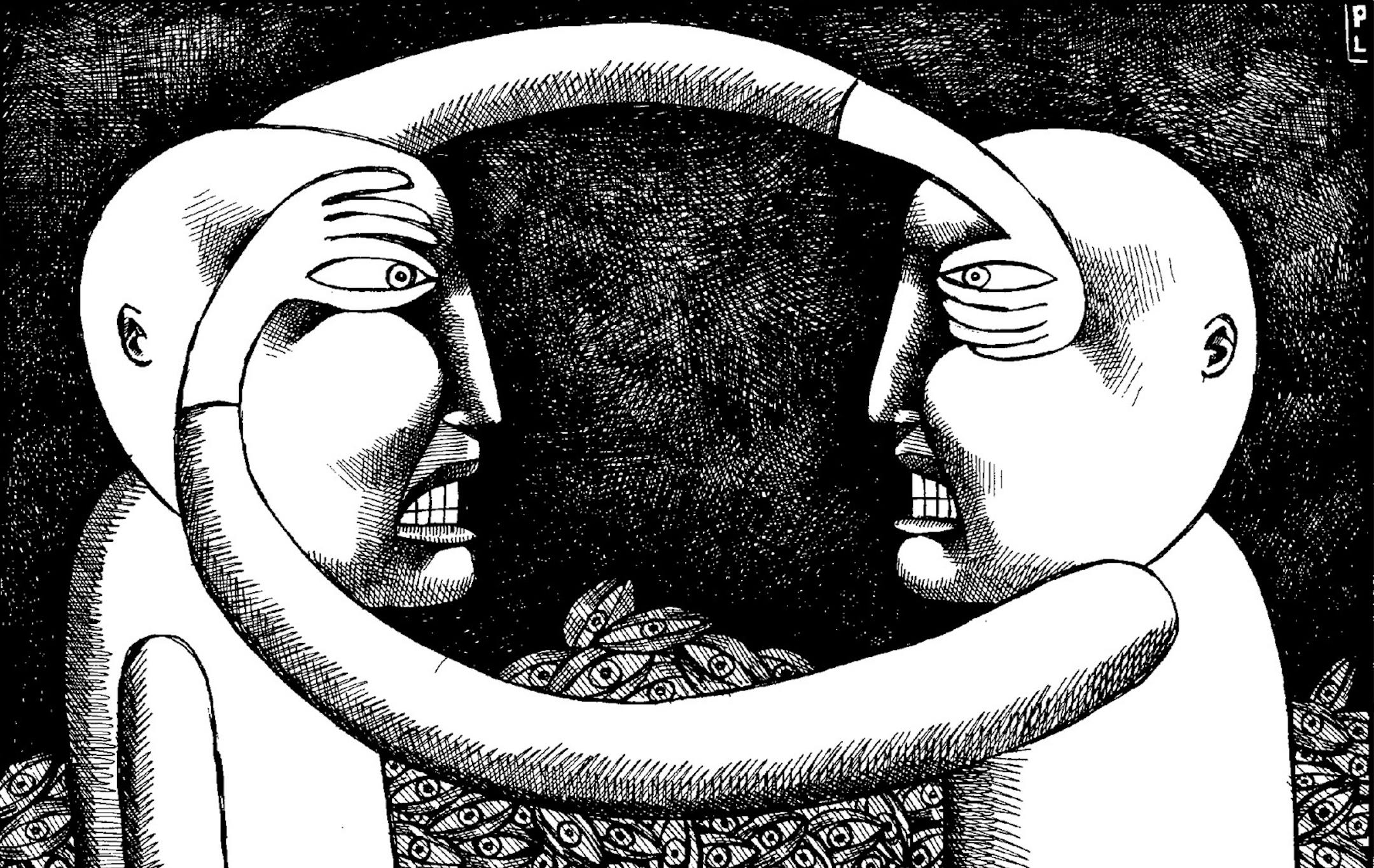
The allegation that a man in northeast Minneapolis was a murdering Nazi has received national attention. It has also polarized the public's response.
The case is "perfect" for doing so. Michael Karkoc is 94 and obviously no longer a threat. Thus, many are saying: "Leave him alone." But those demanding that he stand trial feel secure in their principled stance.
According to the records and testimony, he was a Nazi soldier who may have had a hand in the murdering of many civilians. To them, his age is as arbitrary a factor no different than if he was rich, poor, female, young, short, tall. There's no magic age where you no longer have to face justice, so whether he's 94, 72, 22, or 122, he needs to do so for what he allegedly did.
Perhaps those who maintain this principled stance on justice look to those who say "leave him alone" as lacking principle, as going soft, as losing their sense of justice because they lack conviction. But the question I have for those who wish to have him stand trial is: what is your definition of justice?
Karkoc's exaggerated age provides a peripheral look at popular notions of justice.
No one has a problem with trial and imprisonment of a man who willfully kills someone, is caught shortly thereafter, then is found to be guilty. People support this activity for two reasons: They want to see him pay, and they want to see a dangerous person incapacitated.
How much is about protection, how much is justice and how much is revenge is difficult to parse out. But when the perpetrator is 94, is 70 years removed from his crime and has been an asset to his community, some motives are eliminated. If seeing him go to trial is not about protection, then remaining are justice and revenge.
Most people understand these two concepts as different — as do I. But whereas most might think revenge is doing to this man what he did to others, and justice is having him stand trial and face possible incarceration, I see both of these as simply different branches of the same tree. We say "face justice" rather than "suffer revenge," but in either case the idea is to see the guilty pay for what he did. One is just done in a more formal, humane setting.


