

Every day, bird lovers get to watch tiny wildlife documentaries unfold from their own windows - the search for food, the predator-prey relationship, even the ways that climate change shifts a species' typical habitat.
"The great thing about birds is they're everywhere," says Nicholas Lund, who leads outreach for Maine Audubon and shares his brand of avian humor as The Birdist. "They aren't found only in national parks or protected areas - they'll come to you."
With the right approach, you can make those visits far more likely: "Think about what you have to offer birds," says Lund. "It could be a place to nest, it could be food and it could be shelter." Once they start flocking, you can experience the joy of identifying each species and their unique behaviors.
Attract birds with food
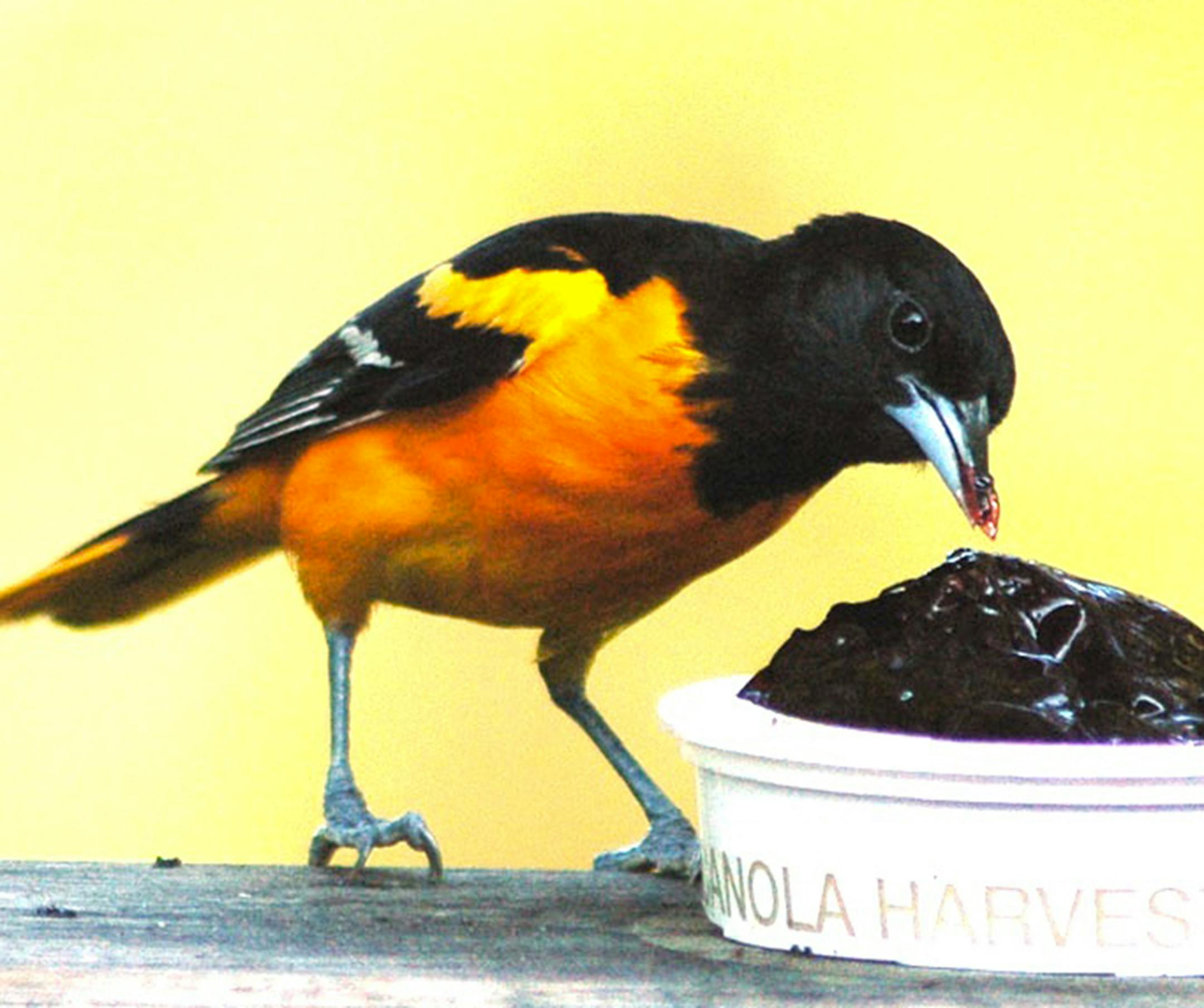
A feeder is the quickest way to create a backyard feast, but it's not the only one. As Lund points out, "not all birds even eat seeds." Woodpeckers, for instance, prefer suet, orioles like oranges and grape jelly, and hummingbirds enjoy nectar, or sugar water, which you can make at home.
The best long-term approach to bring birds to your yard is to add native plants.
Many birds love seed-bearing plants, and just about every plant will naturally bring bugs, another key food source. In his books "Bringing Nature Home" and "Nature's Best Hope," Doug Tallamy, a professor of entomology at the University of Delaware, identifies "powerhouse plants"- such as sunflowers in the Mid-Atlantic and native goldenrod just about everywhere - that attract appealing insects like caterpillars. (Avoid using pesticides, of course, since the "pests" are exactly what draw birds.) The National Audubon Society offers more guidance for creating a bird-friendly yard and suggestions of plants that provide food.
Once you've set up that natural buffet, you can also fill a few feeders with seed. Those supplies are widely available in pet stores, hardware stores and specialty shops such as Wild Birds Unlimited.


