Deer hunters, health officials and wildlife managers were shocked last spring when lead bullet fragments were discovered in venison donated to Minnesota foodshelves.
Dr. Pat Redig and Dr. Luis Cruz-Martinez weren't.
The University of Minnesota veterinarians and researchers say bald eagles in Minnesota have been dying of lead poisoning for years. And they say the evidence now is overwhelming that the source of that poison is fragmented lead bullets fired by Minnesota hunters.
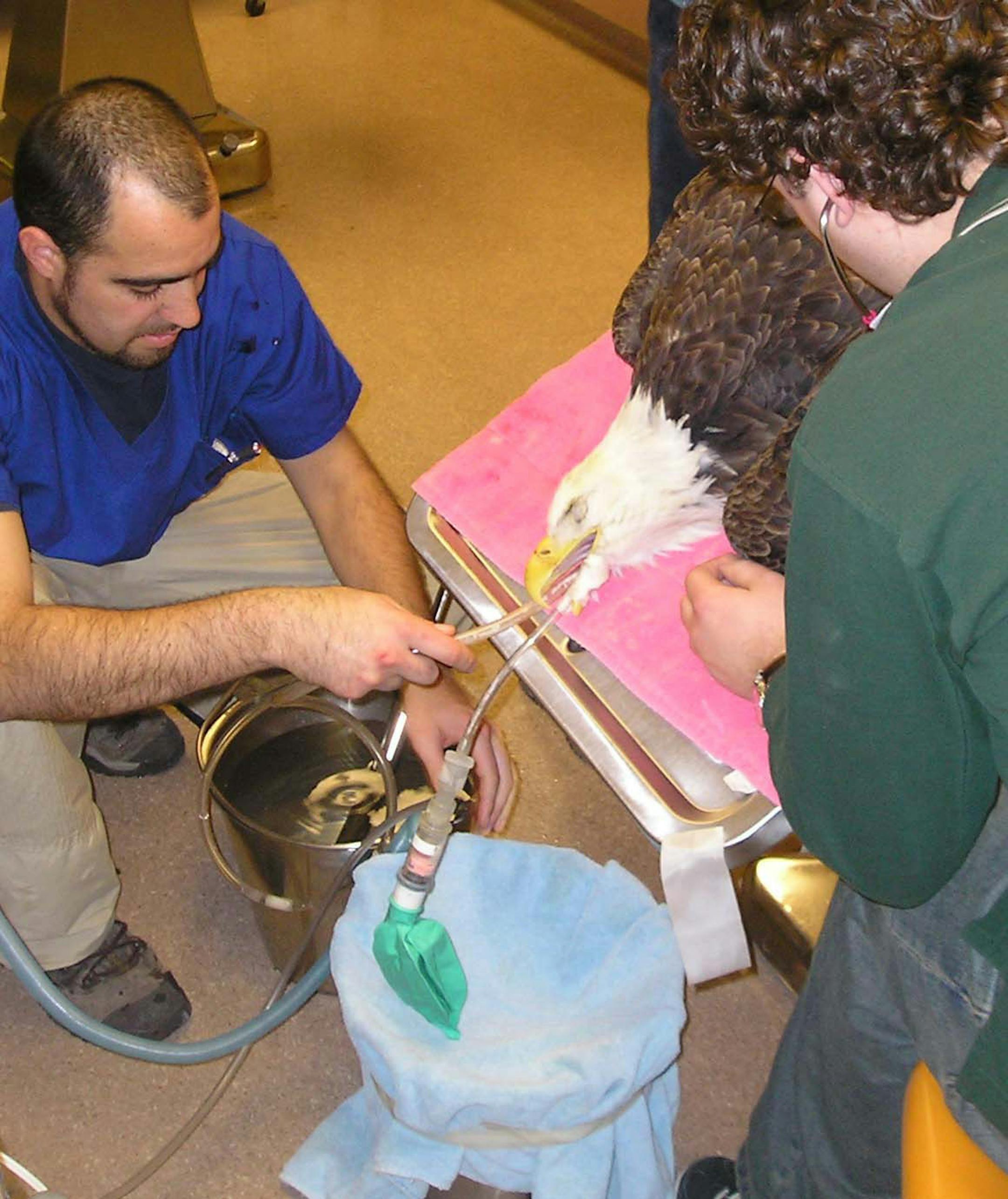
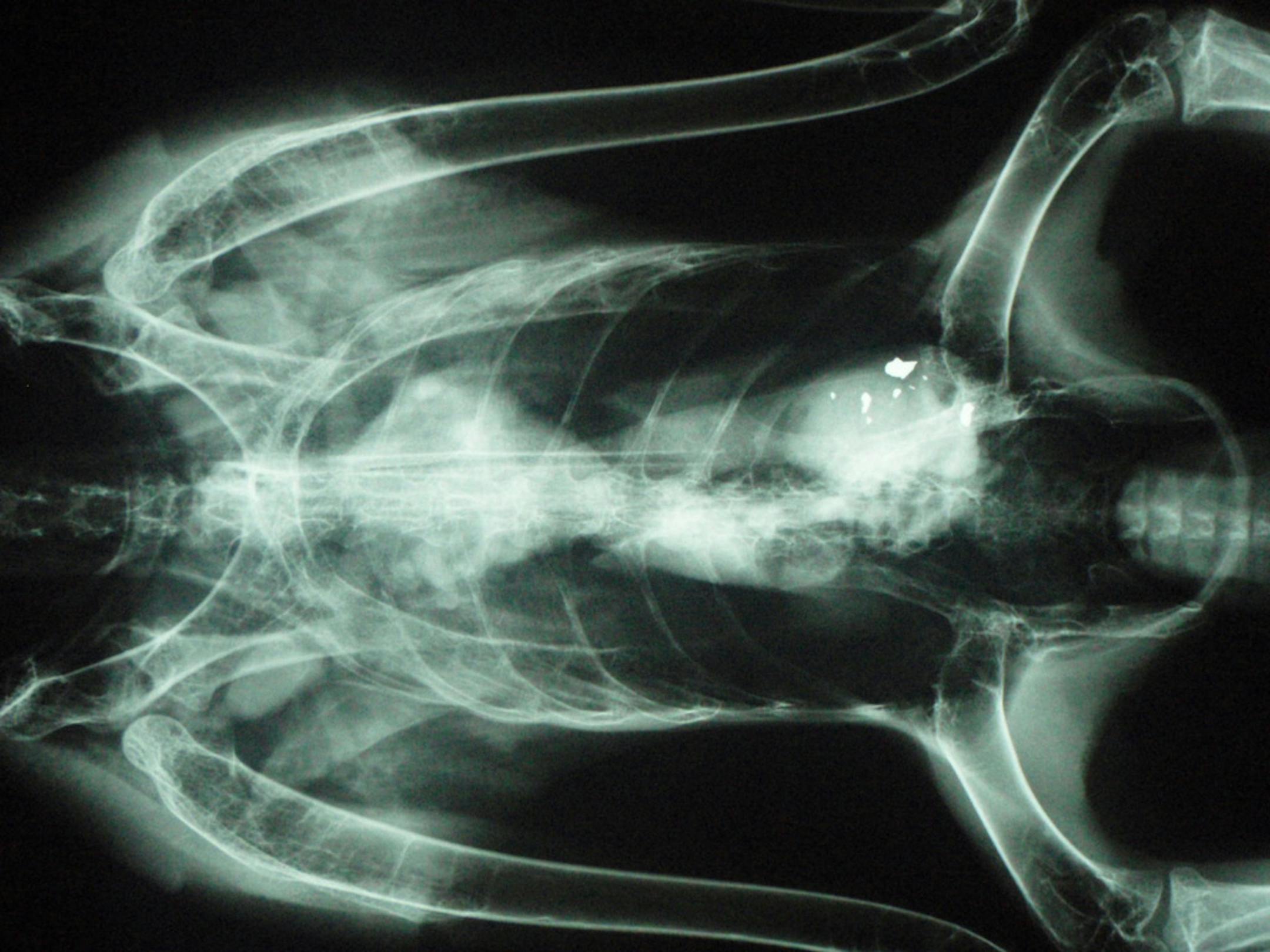
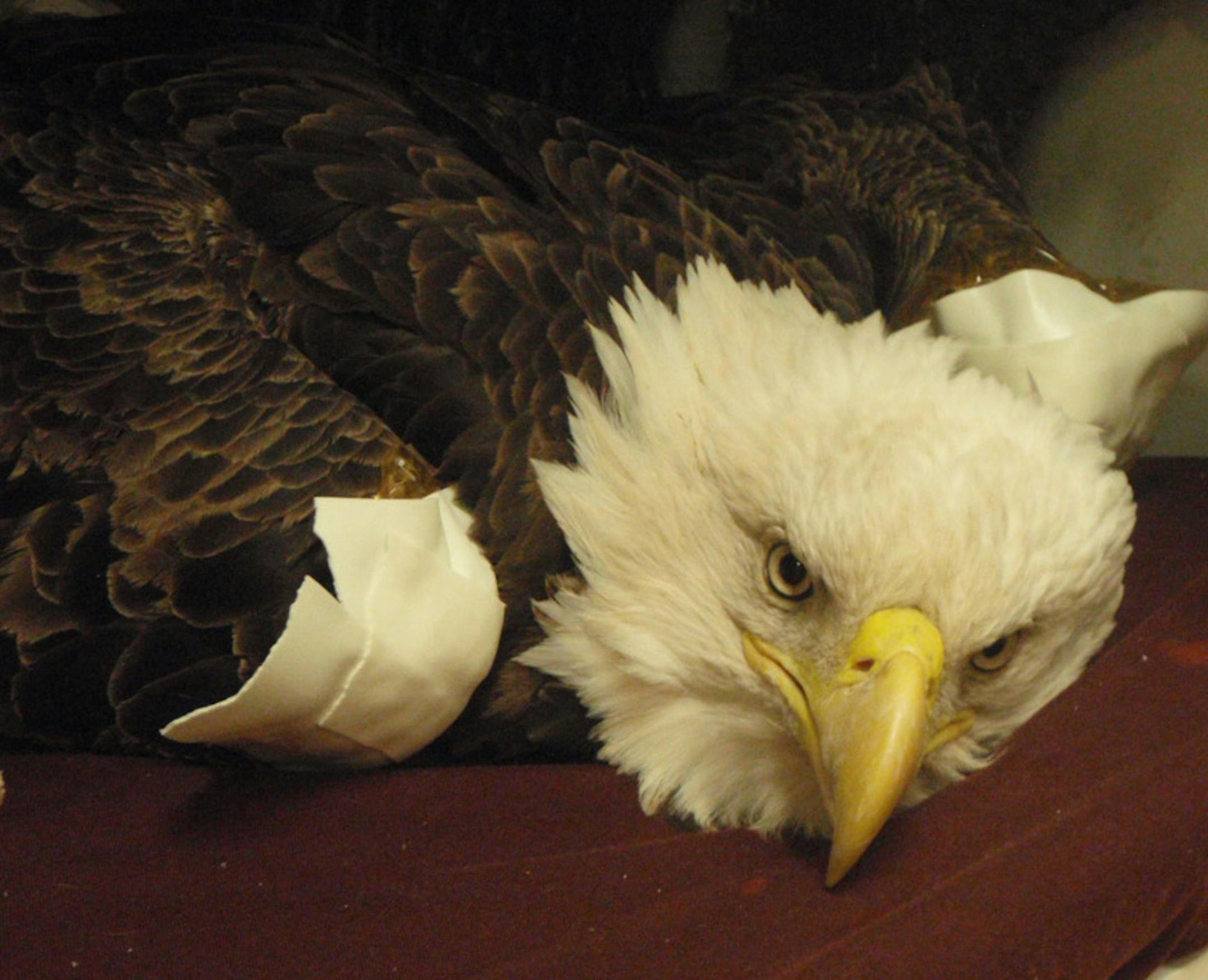
Bald eagles are ingesting lead when feeding on deer entrails, carcasses or wounded animals that later die, they say. Of the 100 to 125 eagles brought to the University of Minnesota's Raptor Center each year, 80 percent have elevated lead levels. And each year, at least 20 bald eagles die from lead poisoning.
"We're poisoning eagles, our national symbol," said Redig, a professor at the university's College of Veterinary Medicine and former director of The Raptor Center.
And those are just the eagles that are recovered. It's unknown how many others might be succumbing to lead poisoning and are never found, or what effects lower lead levels are having on eagles.
Cruz-Martinez, a graduate student, has analyzed research conducted by Redig and others, and both say there are four smoking guns implicating lead bullets:
• The incidents of lead poisoning in eagles correspond to the deer hunting season.