Hunters' use of lead ammunition and, at times, its toxic effect on scavenger species like eagles who ingest fragments at kill sites continue to produce news headlines and urgent bulletins from conservation groups.
Yet, evidence of any collective action nationally toward totally banning lead ammunition (and fishing tackle) in favor of safer substances such as copper is in short supply.
California stands as an example of broad action after it banned lead ammo in the California condor's habitat in 2008. Researchers and conservationists had built a case against lead owing to the demise of the condor population, which feeds on carcasses and guts left behind, mostly by hunters using rifles. As little as a gram of lead can be lethal to a raptor. The state went further in 2019, enacting a full lead ban on all hunting.
In Minnesota, the Department of Natural Resources (DNR) in 2021 made its most significant move yet against lead, when it banned its use in hunting in some Scientific and Natural Areas (SNAs) and certain state parks that allow special hunts. That order begins this fall and was a response to a petition from Friends of Minnesota Scientific and Natural Areas and other conservation groups. The petitioners wanted the DNR to require nontoxic shot, slugs and fishing tackle within any SNA and state park that offer fishing and hunting. The DNR rejected the petition, claiming its management powers were limited, but acted nonetheless to reduce the spray of lead in the wild. It added that managing lead ammunition is an issue for the Legislature.
It's Mike McTee's business to understand the ballistics of bullets and how their fragmentation is a source of lead contamination across wildlife species and particularly golden eagles. McTee is an environmental chemistry-educated researcher at MPG Ranch, a conservation organization in Missoula, Mont. McTee also is a lifelong hunter. He grew up as a traditional archer before picking up a rifle when he moved from western Washington state to Montana to enter college. His attention has turned to pursuing bighorn sheep these days.
"I love to be outside," he said, "and when I am hunting I have a goal. If I have to sit on a mountain for six hours just scanning the hillsides, I will happily do that."
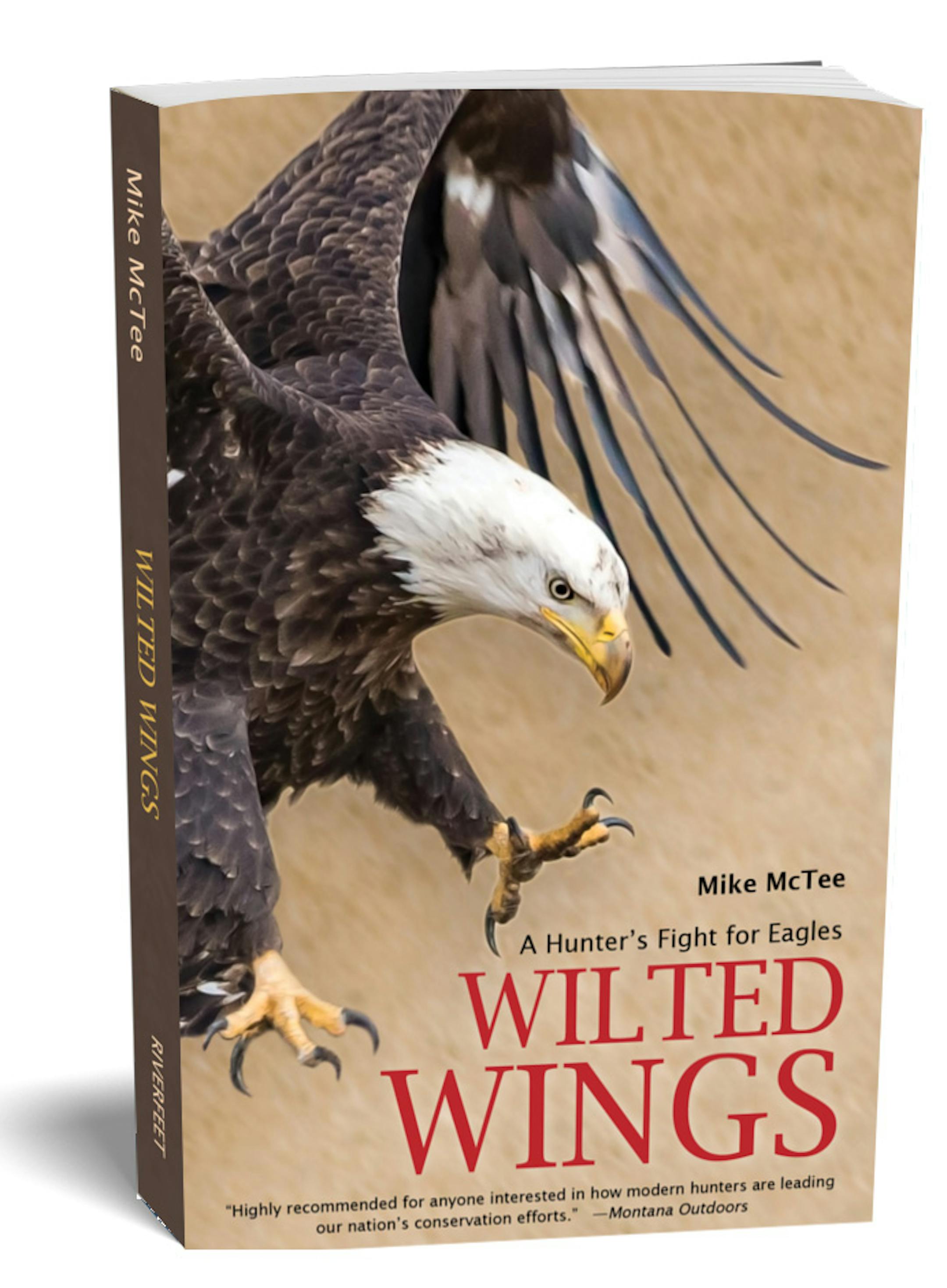
MPG's commitment to avian ecology across species has included partnerships with raptor rehabilitation groups, whose patients have included golden eagles sickened by lead. McTee has authored a new book, "Wilted Wings: A Hunter's Fight for Eagles," coming out Sept. 6 that reflects on his enlightenment about the scourge of lead turning up in wildlife food sources and what it might take for more hunters to turn to nontoxic alternatives.
In the interview below, McTee dispelled the merit of a federal ban, even while the U.S. Fish and Wildlife Service has banned lead ammo to hunt waterfowl. McTee said the best approach might be more down-to-earth, in order to keep the stories of wildlife local and relatable. Excerpts have been edited for length and clarity: