

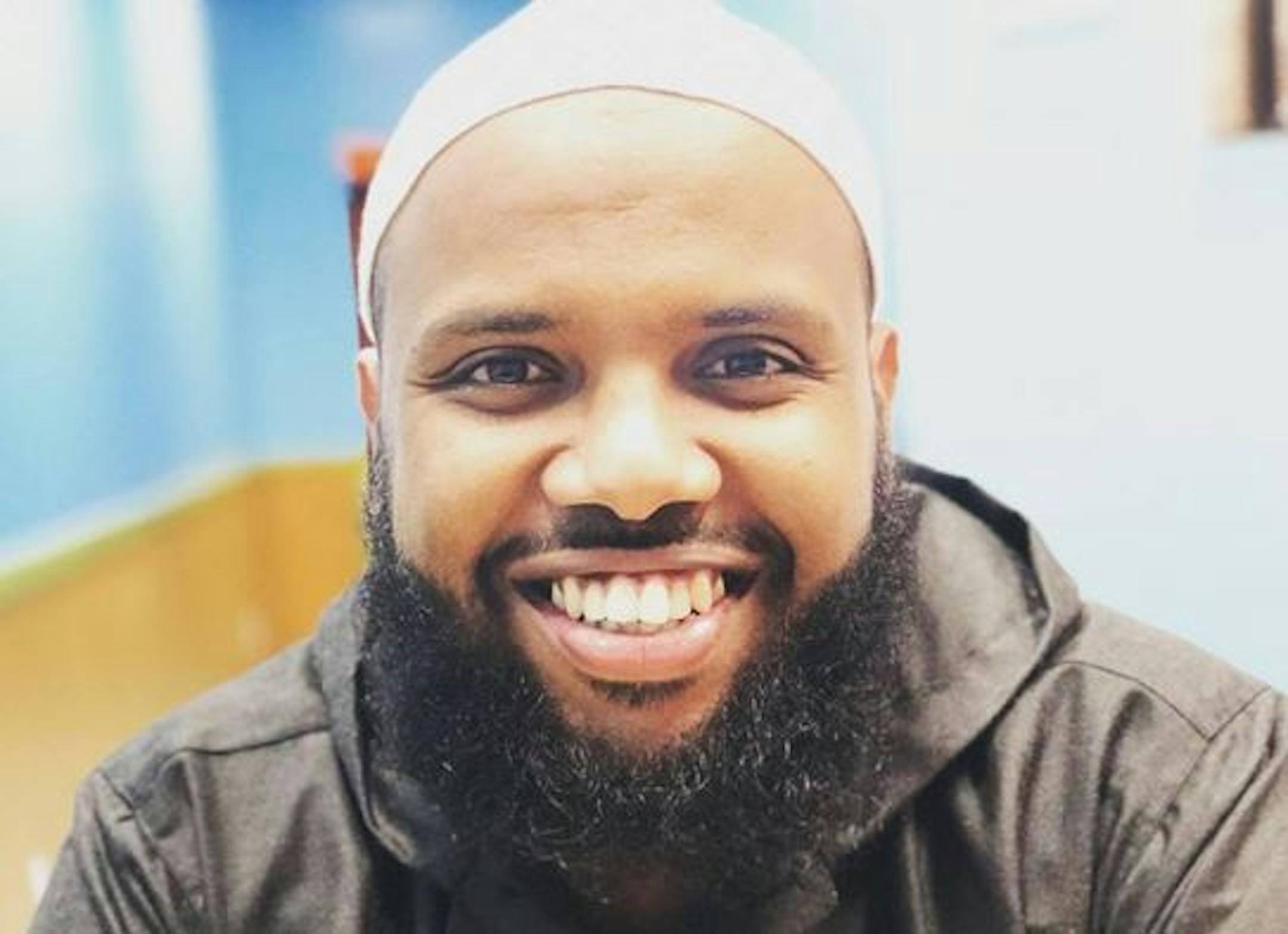
A Twin Cities imam and two other Muslim Americans say they have been subjected to illegal and invasive questioning by U.S. border agents at various airports and ground border crossings about their religion and faith practices while returning to their home country.
The allegations were leveled in a civil rights lawsuit filed Thursday in U.S. District Court in central California on behalf of the plaintiffs by the national office of the American Civil Liberties Union (ACLU).
In several instances, when the three returned to the United States from overseas trips, U.S. Customs and Border Patrol (CBP) and Homeland Security Investigations officers asked them questions, including whether they are Muslim, which mosque they attend and how often they pray. The suit also alleges the answers are retained in a law enforcement database for up to 75 years.
"Whenever I travel back home to the United States, I'm anxious," plaintiff Abdirahman Aden Kariye, an imam at Dar Al-Farooq Islamic Center in Bloomington, said in a statement issued through the ACLU. "I'm constantly worried about how I will be perceived, so much so that I try to avoid calling any attention to my faith. I normally wear a Muslim prayer cap, but I no longer wear it at the airport to avoid being questioned by border officials."
In an interview with the Star Tribune, Kariye said, "In each encounter, the environment was coercive, and it was clear that I wasn't free to leave. ... My spiritual beliefs and faith practices are not proper topics for questioning. CBP must end this practice and train its officers to understand that Muslims have the same rights as everyone else."
The central defendant among the four named in the suit is Mark Morgan, acting in his official capacity as director of CBP. An agency spokesman, Kris Grogan, declined to field questions about the suit. "CBP does not comment on pending litigation. Lack of comment should not be construed as agreement or stipulation with any of the allegations," he said.
Kariye, according to the lawsuit, is on the U.S. government's terror watch list, meaning that "he will continue to be subject[ed] to detention, searches, and questioning, including religious questioning, each time he returns to the United States."
The 30-year-old Kariye, who became a U.S. citizen as a child, said "the government won't tell me why" he's on the list.


