

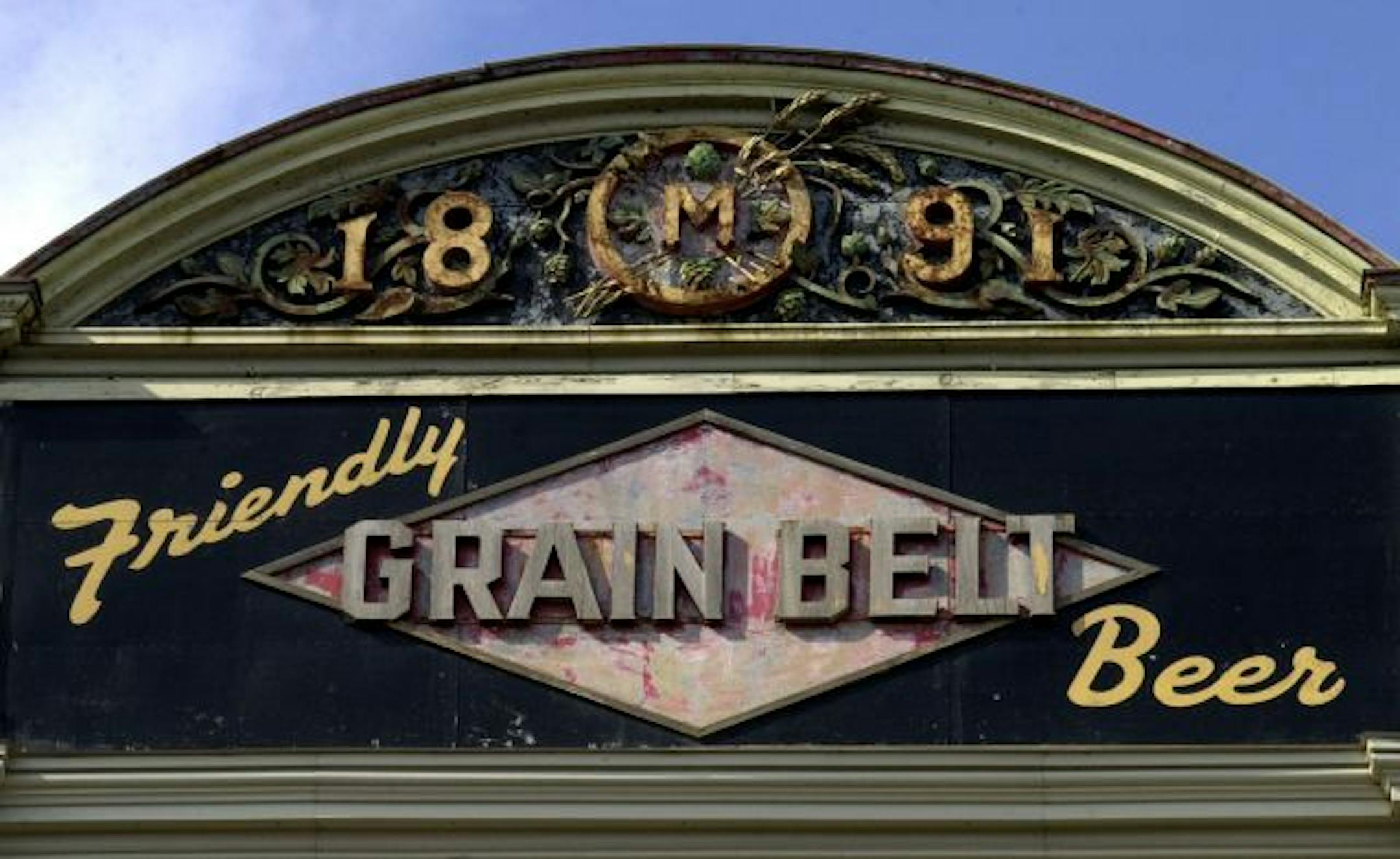
Twenty years after acquiring the Grain Belt brewery complex in northeast Minneapolis, the city is poised to sell the last of the site's historic buildings.
Sale of the 1893 office building, which the City Council is expected to approve today, will finish the city's disposition of seven historic buildings listed in the federally recognized Minneapolis Brewing Company Historic District.
The city bought the sprawling complex from businessman Irwin Jacobs in 1989 after twice blocking his attempts to demolish the buildings. Jacobs used the office building as his headquarters for about nine years. The structure with vaulted ceilings was headquarters for the brewery, which operated from 1890 into the mid-1970s.
Developer Kristina Oman is buying the building for $1 and plans to rehab it for office space and a reception hall, according to city officials who negotiated with her. She operates several other rehabbed commercial spaces in Minneapolis, most recently refurbishing the Semple mansion at 100 W. Franklin Av., which includes a heavily booked reception hall.
Some council members questioned the token $1 price. "I think people would look at it and say that's a pretty sweet building for $1," Council Member Lisa Goodman said last week when the proposal came to the council's development committee.
But city project coordinator Judy Cedar said a recent appraisal concluded that the two-story stone-and-brick building's worth was significantly undercut by its deteriorating condition and significant drainage issues. A $650,000 appraisal in 2005 didn't fully take into account pollutants and water problems, and it would be tough for the city to raise the money to deal with those issues, she said.
"To be a custodian of an historic building is not a money-making endeavor," Cedar said.
Oman couldn't be reached for comment, but presumably she intends to make money on the building. According to city documents, she plans to spend $2.25 million on improvements, with nearly $1 million aimed at dealing with environmental contaminants such as lead paint and mold and improving severe drainage issues. One corner of the foundation sits below the water table.

