

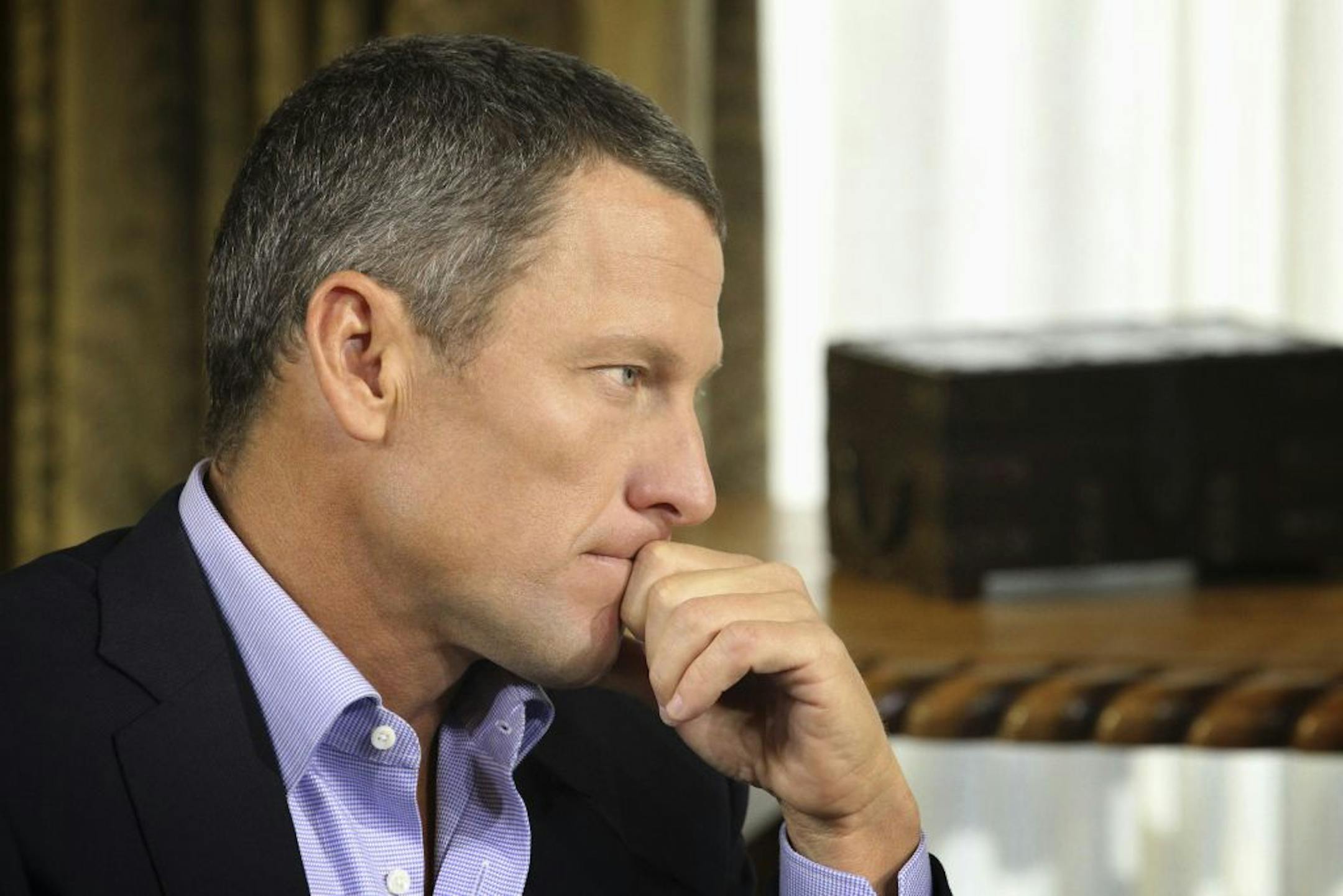
Lance Armstrong may have been branded liar and cheat of the month, but experts say he's not as different from the rest of us as we'd like to believe.
Lying, they say, is part of the human condition, something most people do every day. And that's reflected in the cavalcade of celebrities cowed into confession after their deceptions were exposed — from Richard Nixon's denial of the Watergate break-in to Bill Clinton's denial of an affair with an intern, from drug-abusing baseball players to fraudulent Wall Street executives.
"The world is rife with great liars," says Robert Feldman, a professor of psychology at the University of Massachusetts who studies lying and deception. "Nothing about the Lance Armstrong case is shocking. We all lie every day. We live in a culture where lying is quite acceptable."
The husband who says he is working late when he is having an affair. The worker who takes long-term disability for a serious injury, only to be found puttering around the golf course. The guy who says his car broke down because he is late for work. The dog who ate your homework.
People lie to protect their self-image," Feldman says. "Once they've told a lie, they are in it, they live in it, and they justify hurting others to protect the lie because they don't see any way out."
People who live a deception at the level of Lance Armstrong have what Feldman calls the "liar's advantage" because they are telling us what we want to believe.
"We want to believe Lance Armstrong was a great superhero who overcame cancer and went on to win Tour de France after Tour de France," Feldman says. "We always want to believe in the great comeback story."
Armstrong, he says, was unusually energetic in trying to silence the opposition and damage his critics — a trait that, in the end, might be viewed as less forgivable than his lying.


