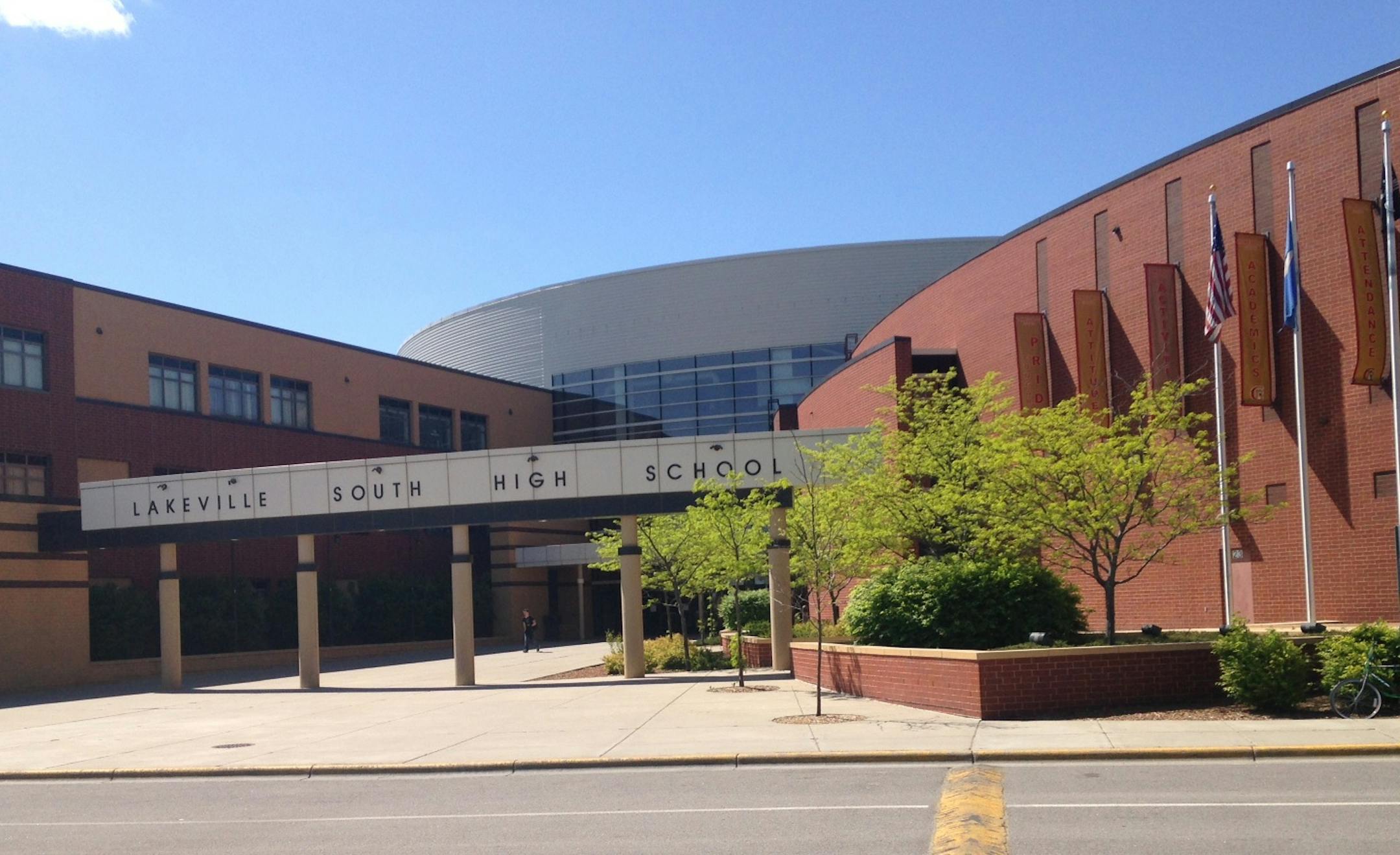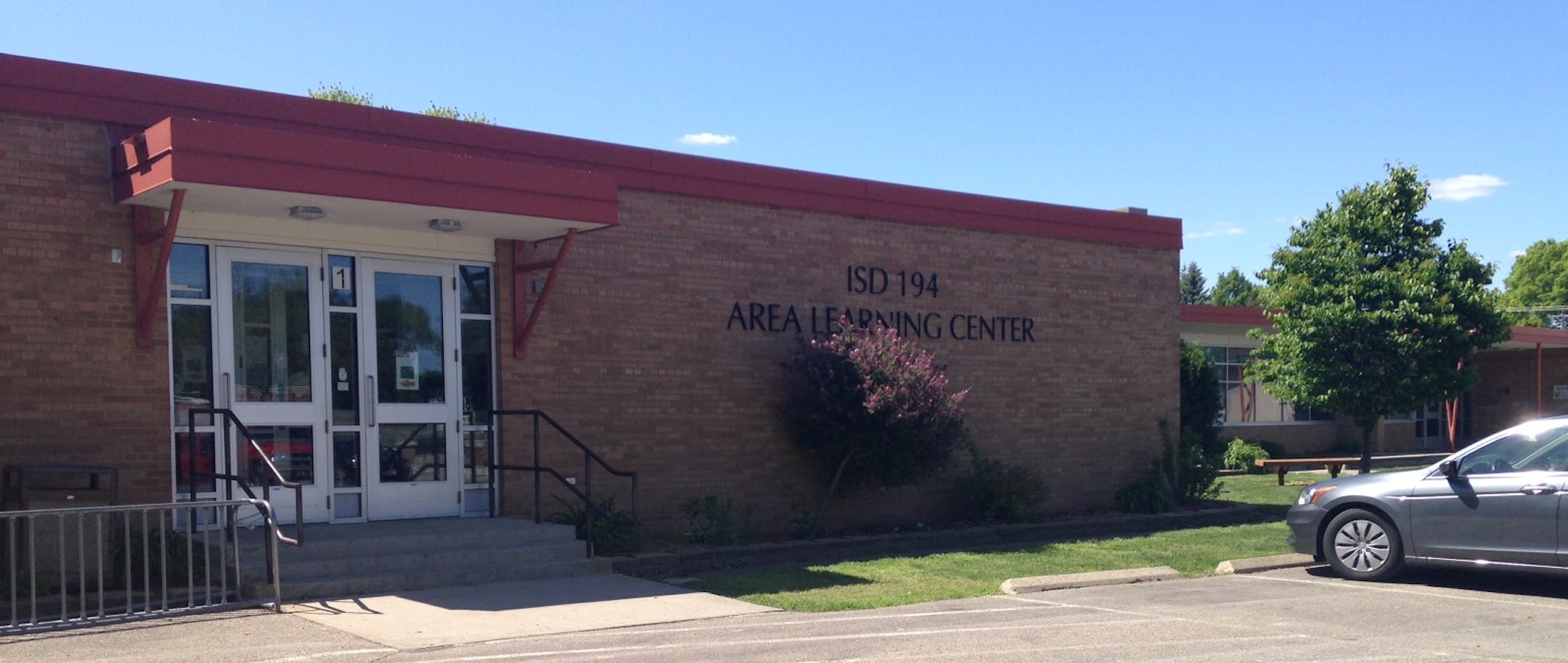
In 2017, the Lakeville school district will relocate its Area Learning Center, or ALC, to spaces in each high school to save money and provide ALC students access to the classes, support services and even lunch options that Lakeville North and South students have.
"The biggest reason for us [to do this] is we're trying to personalize learning for all kids," said Renae Ouillette, the district's director of student services. "Kids were having to give up a lot to go there."
School officials say it will reduce the subsidy — $650,000 last year — the district's general fund must provide the ALC to operate. But the decision concerns some parents and students, who believe a separate site is essential to ALC students' comfort and success. And administrators concede that the transition may be complicated, requiring teacher and students to rethink prejudices about ALC students.
"Some people chose to come [to the ALC] because they didn't want to attend the high school. We have many different reasons," said Shamar Williams, who attended the Lakeville ALC, called Pathways, through 2014. "Some people want the prom, the school dances, and some people don't want that stuff."
Many metro-area districts have ALCs or alternative programs to help students who, for mental health, social or academic reasons, aren't successful in traditional high schools. Students can catch up on credits or learn in a different environment.
Traditionally, ALCs have been located separately because of space issues and to get certain students out of the mainstream school environment, said Michelle Christenson, director of the Beacon program at Bloomington Kennedy High School.
Shifting ALC students back to regular high schools is a national trend, said Ouillette.
"It's happening a lot all over the country in terms of people really rethinking, do we house our kids that are struggling in one environment?" Ouillette said. "Maybe we thought 20 years ago that was a good idea, and now we're kind of looking at it saying … maybe we can do things differently."