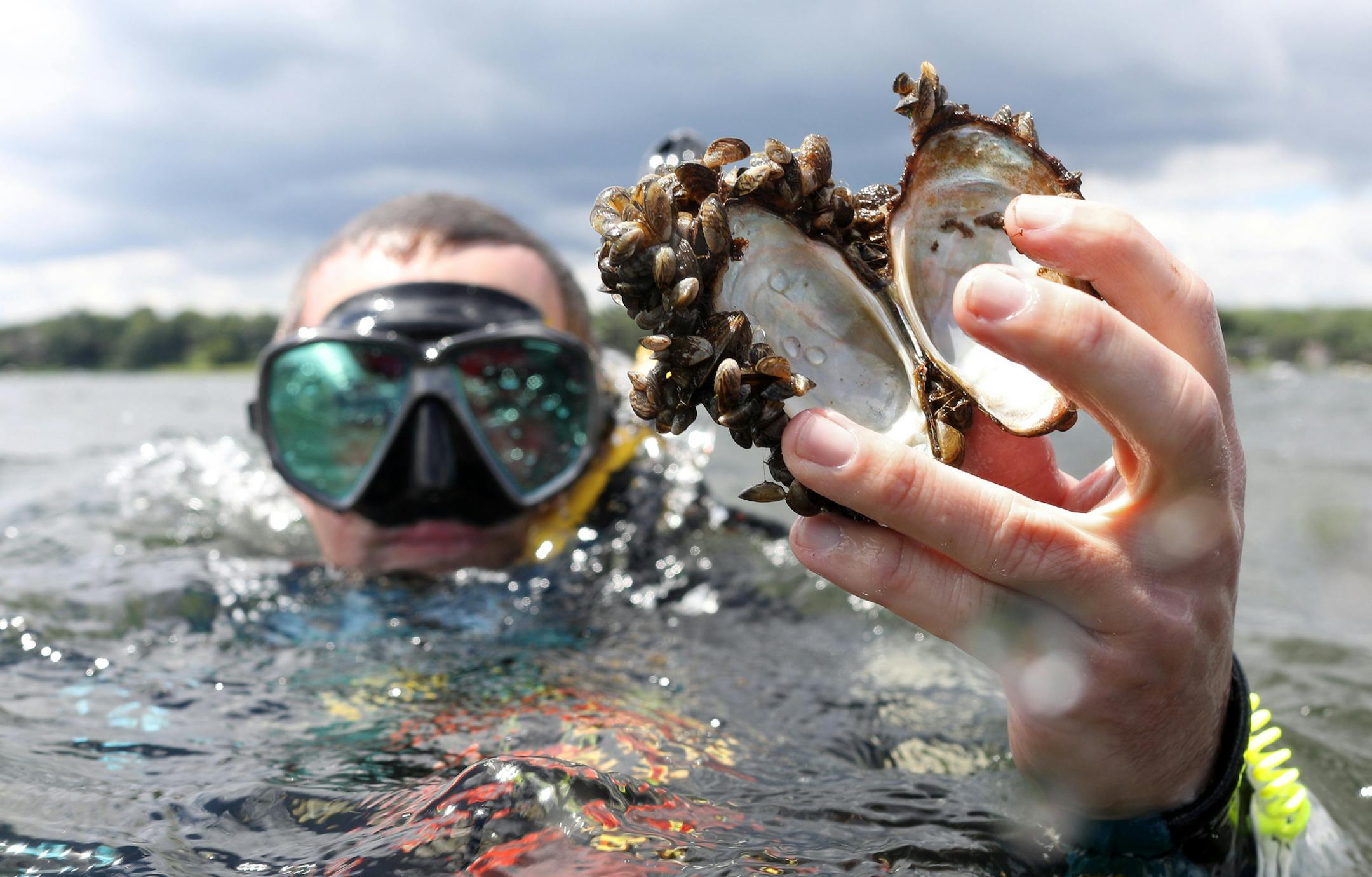
djoles@startribune.com As boaters flock to Minnesota lakes and rivers this holiday weekend for the unofficial kick-off to the boating season, they'll face more inspections in and out of the water as local cities and counties ramp up their work to stop the spread of invasive species. Across the metro, more boat accesses will be staffed by watercraft i](https://arc.stimg.co/startribunemedia/HQQVTK2C7ISLEGIDZQMO6ODL4Y.jpg?&w=1080)
If a tree falls in the forest, it's often asked, and no one is there to hear it, does it make any sound?
Now try this one: If there is a lake in Minnesota that no one can access, does it provide any benefit?
Two answers surface:
The first is moral, even spiritual. I like the notion that I might discover an unvisited lake and venture into a place that has not yet known the hectic push of modern life. As Edward Abbey said, "Wilderness is not a luxury, but a necessity of the human spirit."
But the more realistic answer is that a lake no one can access provides no benefit to the public. Public benefit is the point of public policy — the utilitarian effort to do the most good for the most people most of the time.
Access to water resources is a crystal-clear public good. Most of Minnesota's towns and cities are adjacent to water. Water-related tourism provides over $12.5 billion in revenue. Lake-based recreation is a primary economic engine of greater Minnesota, and lakeshore property is the drivetrain.
The average cabin owner spends about $5,000 annually on local goods and services. Cabin owners also pay property taxes. A lot of property taxes. A recent Star Tribune article noted: "In 10 of Minnesota's 87 counties, [cabin owners] shoulder more than 40% of the residential property tax burden." In some counties, cabins make up nearly 60% of the tax capacity.
All along, Minnesota's people — the indigenous peoples, the voyageurs, the settlers, the immigrants and all of us — have enjoyed unfettered access to every water body in the state. With passage of the Dingell-Johnson Act in the 1950s, the federal government created a stream of funds from the federal Treasury to the states to provide for greater access to water resources.