

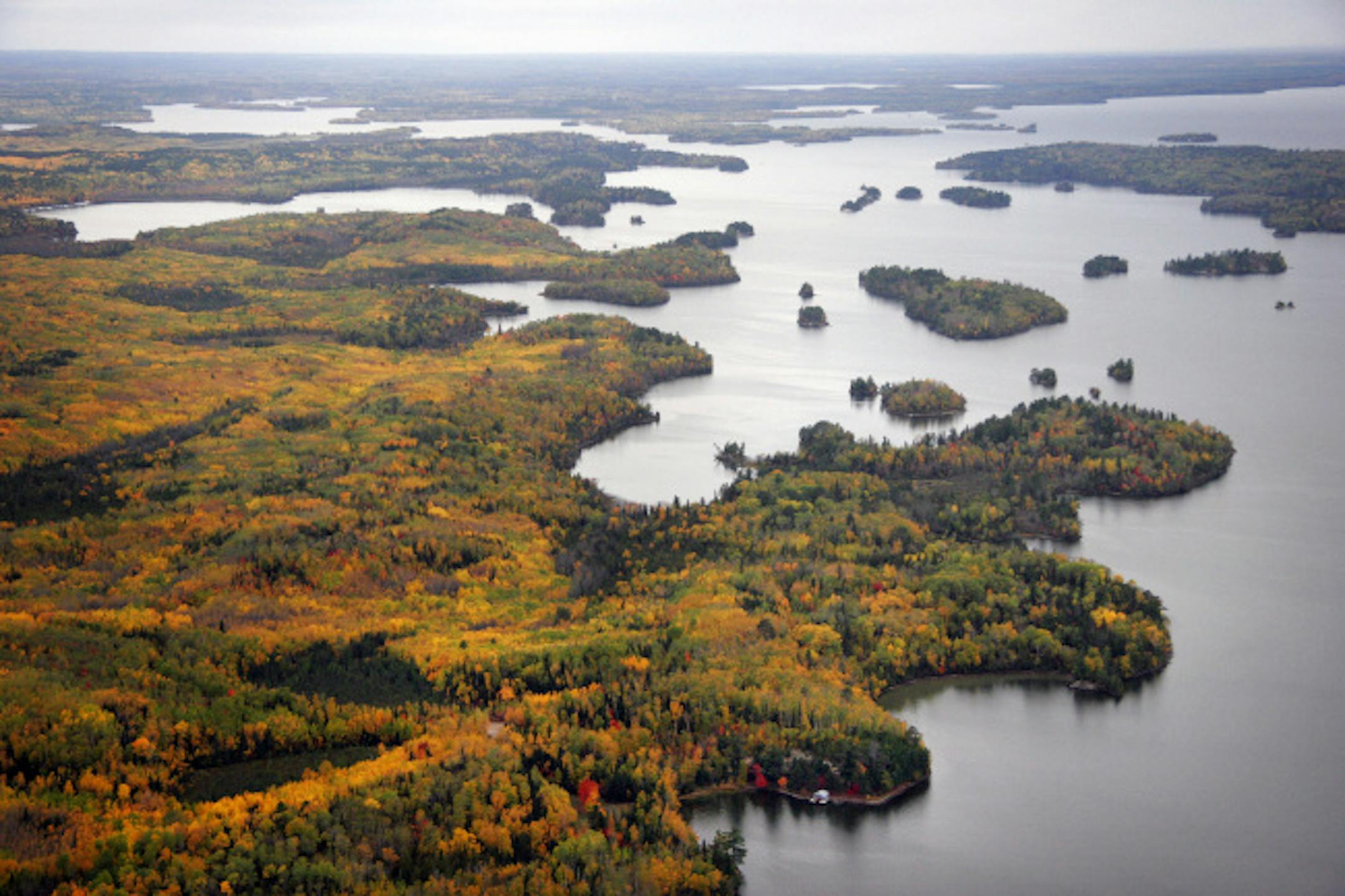
When, in the 11th hour of its recent session, the Legislature approved purchase of land on Lake Vermilion in northern Minnesota for a new state park, it set in motion a complex planning process for the Department of Natural Resources and many others.
Parks and trails groups, local and county governments, and niche outdoor sports organizations such as hiking and snowmobile clubs will weigh in on design of the new park.
The DNR has said it wants the Vermilion facility to be a prototype of a modern, 21st-century park, complete with electrical hookups for recreational vehicle campers, a "wild lands" site for tent campers, and perhaps wireless Internet for everyone.
But as DNR state parks director Courtland Nelson suggested in an interview Thursday, much of the DNR's planning for the new Vermilion park will be based on a few old assumptions.
One is that purchases of recreational vehicles, and the trucks and SUVs big enough to tow or carry them, will continue in America.
Park usage in the past two decades, after all, has been changed by Americans' widespread ownership of RVs. In many regions of the nation, the most popular (and profitable) "campgrounds" are those with electrical hookups, modern showers and other comforts.
Recreation specialists and park planners have long believed this trend would continue indefinitely. They think retirees and others with disposable income and available time will continue to demand vacation camping facilities more akin to hotels, in some respects, than wilderness hovels.
Enter now a threefold challenge to that assumption: rising fuel costs, the housing crisis and an overall underperforming economy.


