2:19
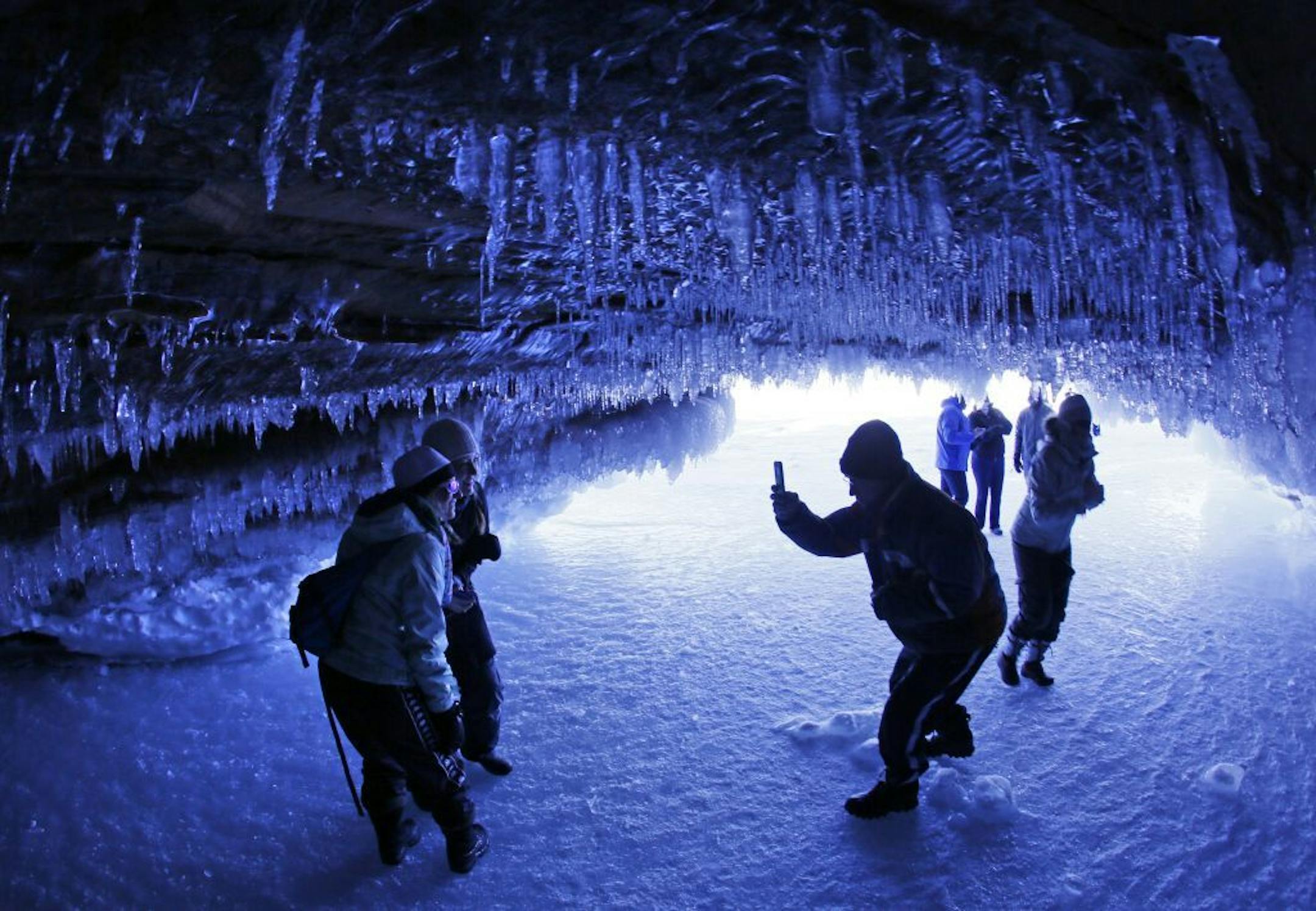
2:19DULUTH – Ice has overtaken a great swath of Lake Superior's surface, edging it toward its first complete ice-over since 1996 and worrying the shipping industry.
By Friday, 93.5 percent of the lake's surface was covered by ice — about three times the average for this time in the season — contributing to early ice concentrations on the Great Lakes as a whole, according to the Great Lakes Environmental Research Laboratory. The average ice coverage across all five Great Lakes reached 79.6 percent on Friday.
"We've still got another solid month of cooling off, forming ice out there," said Jay Austin, an associate professor with the Large Lakes Observatory at the University of Minnesota Duluth. "It's much further ahead than its been for many, many years."
That kind of freeze could cut down on lake-effect snow, slow the evaporation that's led to lower water levels and provide better shelter to some fish species' spawning beds, experts say. It could also forecast a sluggish start to the shipping season, marked by the opening of the Soo Locks at Sault Ste. Marie on March 25.
"Lake Superior is likely going to ice over completely," said Glen Nekvasil, vice president of the Lake Carriers' Association. "In all probability, that means it's going to be a very tough breakout in March."
It's been since 1996 that Lake Superior was "essentially 100 percent ice-covered," said George Leshkevich, with the Great Lakes Environmental Research Laboratory. Coverage sways from year to year, but "back in the '70s and '80s, there was fairly good ice cover every year."
In 1979, ice cover on the Great Lakes reached 94.7 percent — the most on record. If frigid weather continues, there's a chance the lakes could hit that high again. Ice coverage tends to peak in late February or early March. But a big warm-up could change everything, Leshkevich said.
Shipping companies are hoping for above-freezing temps and maybe even some rain. "But right now we're not getting any relief," said Mark Barker, president of Ohio-based Interlake Steamship Co., which transports iron ore, coal and limestone.