

Minneapolis Mayor Betsy Hodges and a majority of City Council members won election last year after promising to promote growth, expand transit options, address inequities and make the city the center of a more competitive metropolitan region.
How soon they seem to forget.
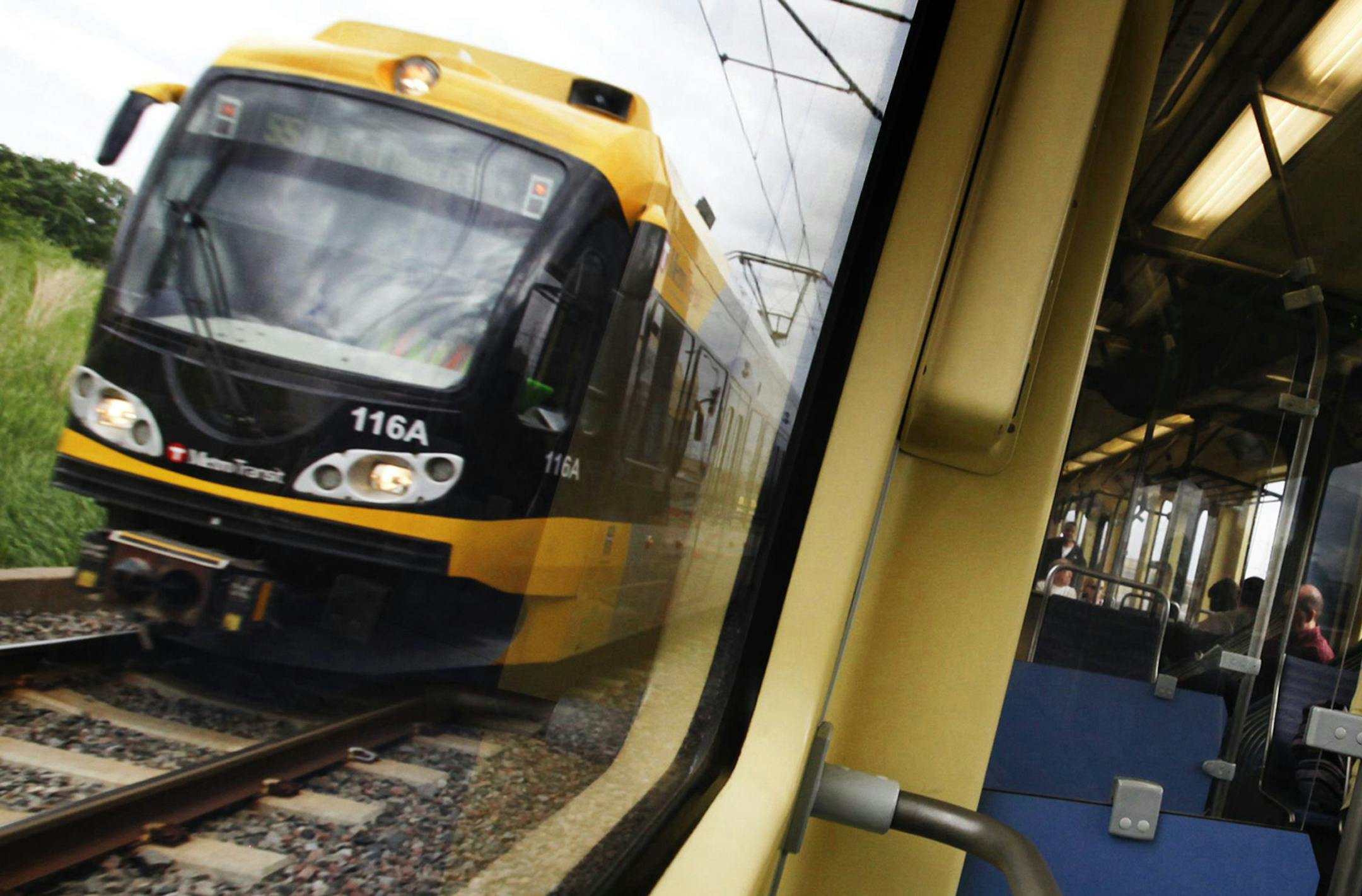
Minneapolis appears poised to block the most ambitious transit project in state history — the vital Southwest Corridor light-rail line connecting Eden Prairie, Minnetonka, Hopkins and St. Louis Park with downtown Minneapolis, the University of Minnesota and St. Paul.
Minneapolis and four other key cities along the route began a 75-day municipal consent process on Thursday after the Metropolitan Council voted 14-2 to advance the $1.68 billion, 16-mile line.
To date, Hodges and the City Council have steadfastly opposed every attempt the Met Council has made to quell neighborhood NIMBYism, including adding $160 million worth of tunnels. And if Minneapolis fails to grant consent, Met Council Chairwoman Susan Haigh said, the project is unlikely to move forward.
In March, Hodges and the council unanimously opposed the plan that calls for two shallow tunnels that would hide light-rail trains in much of the Kenilworth corridor. The design would allow the light- and freight-rail lines to be co-located with bike and pedestrian trails.
The light-rail line would emerge from the tunnels to cross a bridge over a water channel between Lake of the Isles and Cedar Lake, but apparently just that glimpse of LRT traffic is too much for some of the homeowners.
No one disputes that construction will be a hassle for some residents and that routing light-rail lines through fully developed urban neighborhoods is not ideal. But consider the Central Corridor (or Green) line, which overcame objections from businesses along University Avenue, Minnesota Public Radio and the University of Minnesota. In the end, regional interests won out.


