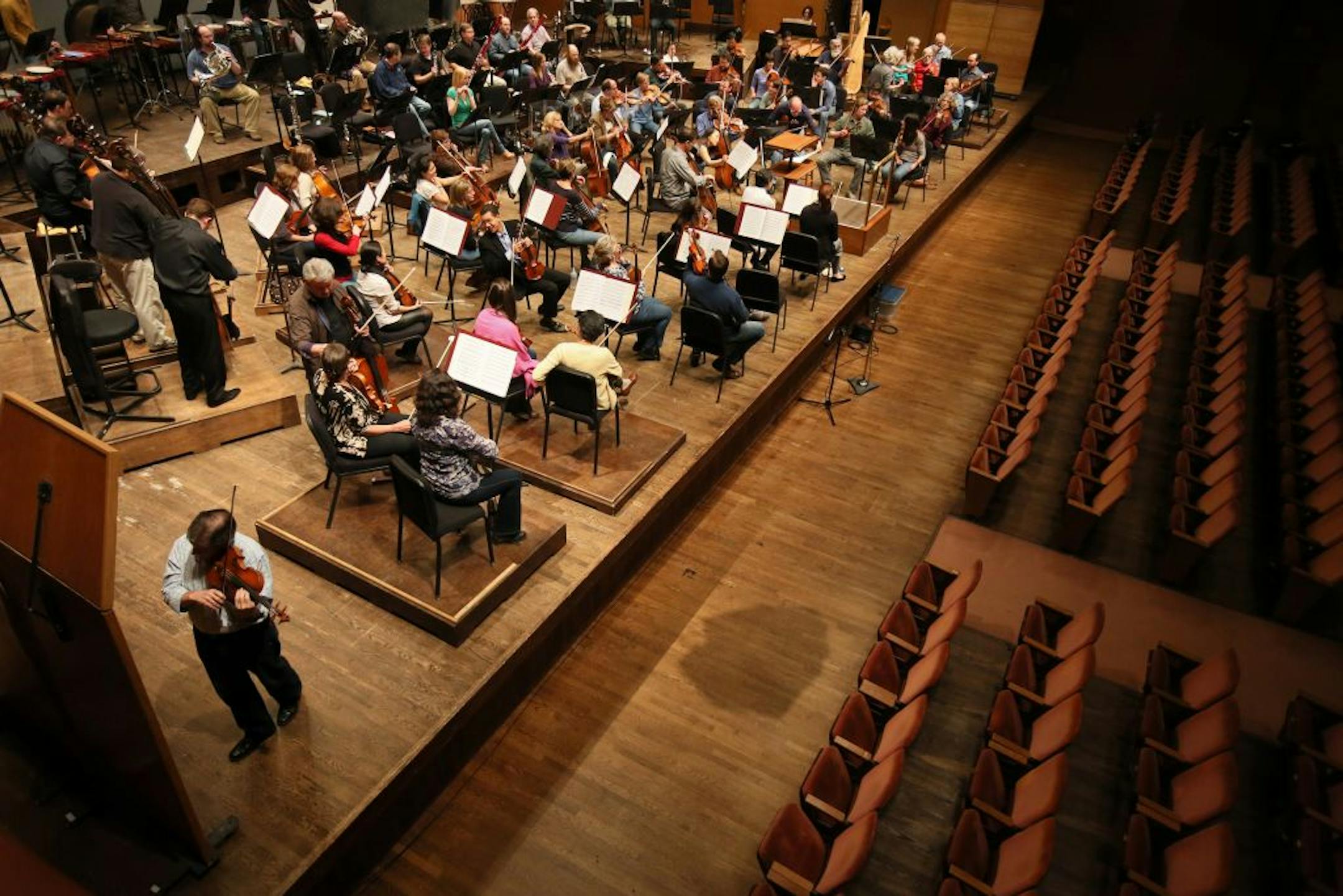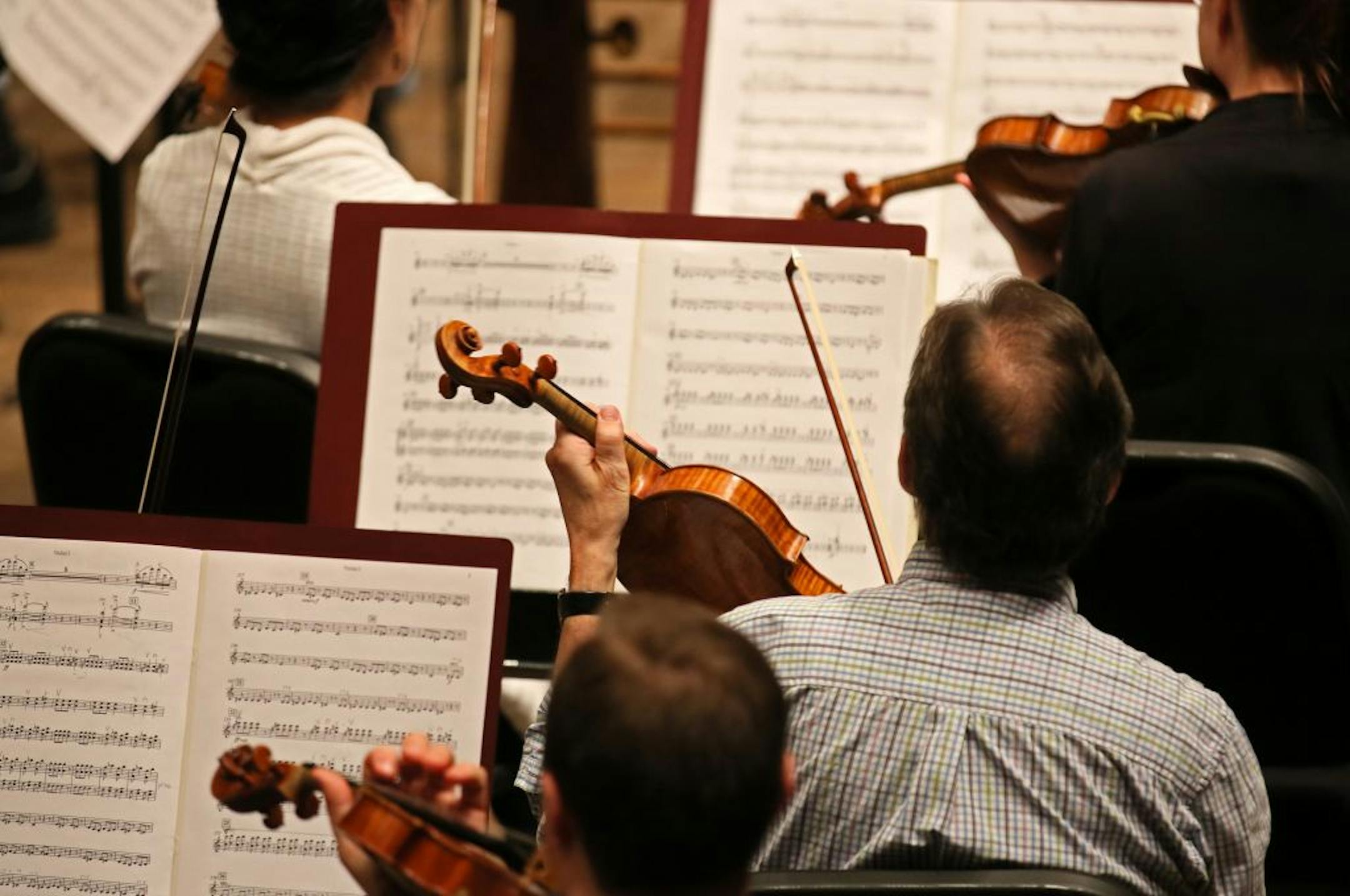
The Twin Cities rejoiced when New Yorker critic Alex Ross planted a wet kiss on the Minnesota Orchestra following a 2010 concert at Carnegie Hall.
The ensemble again is the center of attention among the nation's cultural cognoscenti, on far less cheery terms. Minnesota has become a lightning rod in the economic upheaval faced by numerous American orchestras recently.
Bankruptcy in Philadelphia. Strikes in Chicago and Detroit. Unresolved contract talks in St. Paul. Canceled concerts in Atlanta and Indianapolis. American concert halls have echoed with more dissonance than harmony.
Nowhere is this more apparent than Minnesota, where the outcome of a player lockout that has canceled six weeks of concerts could have the same defining effect as the bitter six-month strike in Detroit in 2011. Management cites a familiar refrain: Shrinking endowments, diminished donations and rising deficits have made it difficult to match expenses.
Musicians point to offers such as the one in Minnesota -- which would cut their average annual salaries by $46,000 -- as impossible choices.
"It's kind of a perfect storm," said Greg Sandow, a critic and composer who writes on the future of classical music.
Similarly, Peter Dobrin, music critic at the Philadelphia Inquirer, wrote last week that taken together, "problems at orchestras ranging in size from Jacksonville to New York are more severe than ever before."
Bruce Ridge, chairman of the International Conference of Symphony and Opera Musicians, is less pessimistic.