

Sugar beets brought them and hard work kept them.
That's the quick story of what brought Mexican immigrants to Minnesota and why they stayed.
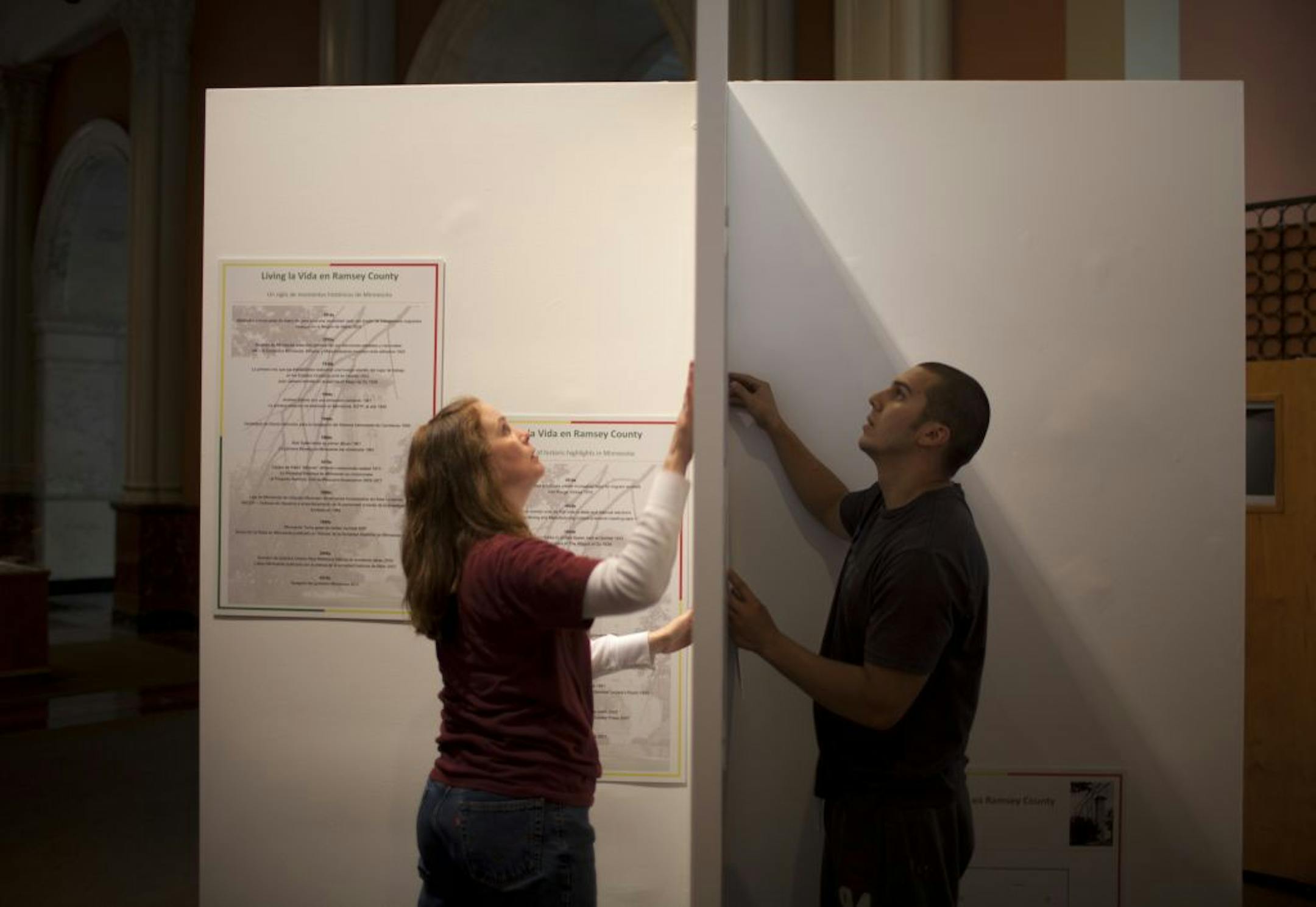
The history of Mexican-Americans in the Twin Cities's east metro area is the focus of a new exhibit: "Living la Vida in Ramsey County." The exhibition, featuring new and old photographs as well as narrative histories, opens with a free reception at 6 p.m. Thursday at Landmark Center, 75 W. 5th St., in downtown St. Paul.
Unlike many immigrant groups who came in a single wave, Mexican-Americans came in surges beginning in the late 1800s when Minnesota farmers needed help with the sugar beet harvest, said Leila Albert of Baldwin, Wis., a historian and volunteer curator of the Ramsey County Historical Society project.
As they returned and brought relatives with them, Mexican-American immigrants stayed in touch with their homeland and had "that renewal of culture," Albert said.
By contrast, when German and Irish immigrants came they were here to stay, which eventually eroded connections with their native countries.
For more than 100 years, cultural traditions for Mexican immigrants to the United States have remained strong, especially regarding food, music and language, Albert said.
In preparing the exhibit, Albert asked what people wanted to know about Mexicans who immigrated to Ramsey County. The responses overwhelmingly came back: Why are they here? Why did they come?


