

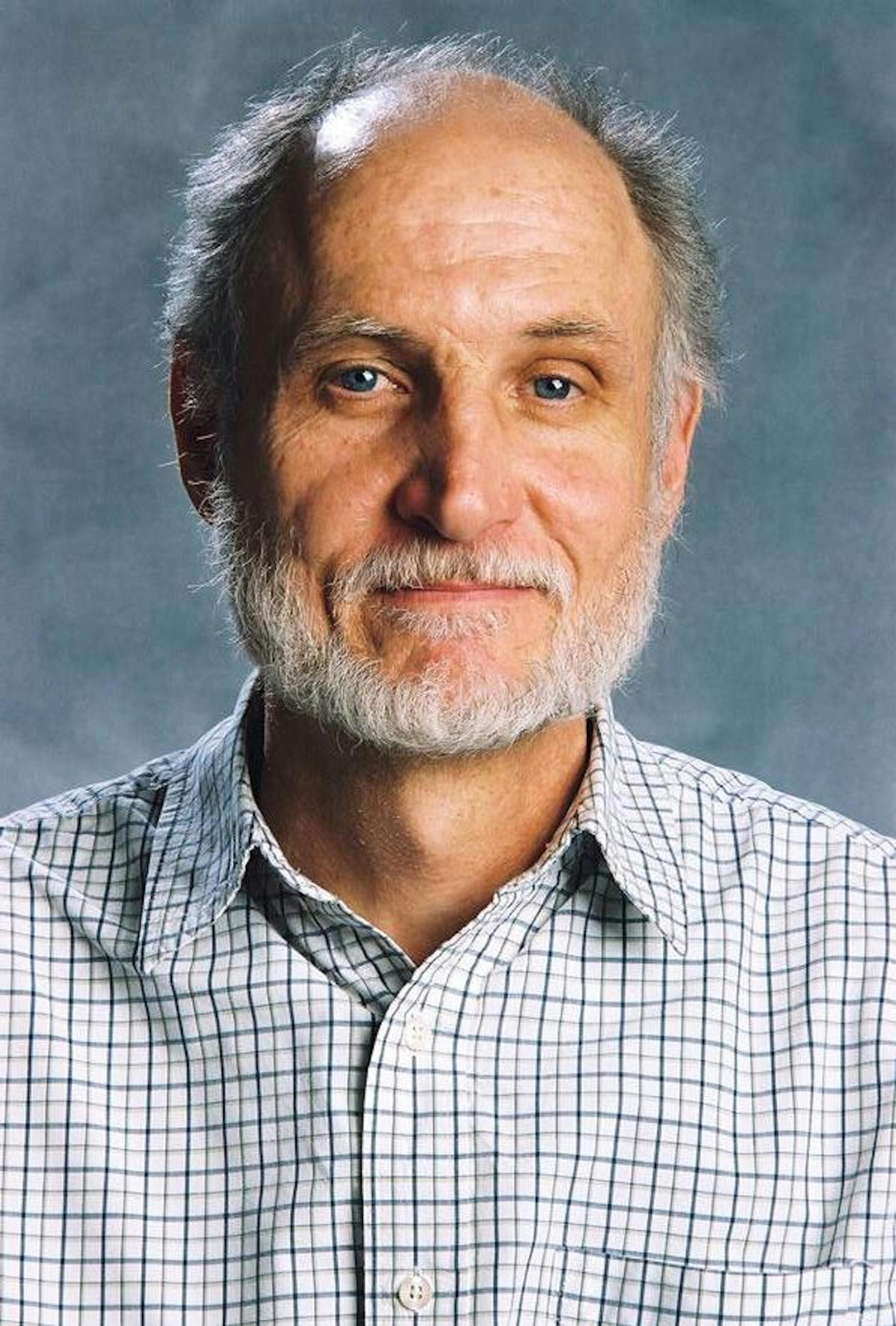
Kris Nelson, a pioneer leader in the Minneapolis neighborhood movement and later its bridge with academia, died Friday in his sleep of a suspected heart attack. He was 60.
"There's hardly a person in a neighborhood organization in the Twin Cities who is not heartbroken," said Lisa Kugler, his onetime co-worker at the Whittier Alliance when few neighborhoods had paid staff.
Nelson was an Indianapolis native. He arrived in Minneapolis in 1975 for a city internship and soon took on the then-new work of helping to create live-work spaces for artists in the warehouse district. He shifted to the nonprofit world in 1978 to become the founding director of Artspace Projects, now a nationally known nonprofit developer of arts space.
Meanwhile, Dayton Hudson Foundation, a supporter of the area's Minneapolis Institute of Arts, sensed deterioration in the neighborhood. It underwrote the Whittier group, and Nelson became its second director in 1981. During his tenure, the group became an early leader in community-oriented policing and other now-common neighborhood strategies.
Kugler recalls Nelson having interns putting dots on crime maps in the days before widespread computer mapping. But colleagues said despite that data-driven approach, he pushed for neighborhoods to put people at the center of their physical redevelopment efforts. Nelson founded Whittier's development arm.
At Whittier, Nelson bridged the era between the demise of the federally sponsored Model Cities approach of the Great Society program and the advent of the city's homegrown Neighborhood Revitalization Program (NRP), which brought sizable sums to neighborhood groups. He was a finalist for NRP director.
Colleagues recall Nelson as guided by an ethic that disparate people who share physical space need to work to find common ground. He pushed hard to ensure a voice for low-income residents in neighborhood work. Indeed, Nelson was ousted as director after 11 years in a home- owner backlash against an emphasis on the needs of low-income renters in Whittier's NRP plan. He landed in 1993 at the University of Minnesota, where he directed neighborhood programs at the U's Center for Urban and Regional Affairs.
"Kris was so valuable to us because of his connections and his great knowledge of the community," center director Ed Goetz said. Nelson was insistent that faculty members and students respond to the research needs of neighborhoods, rather than merely using neighborhoods as research laboratories, Goetz said.


