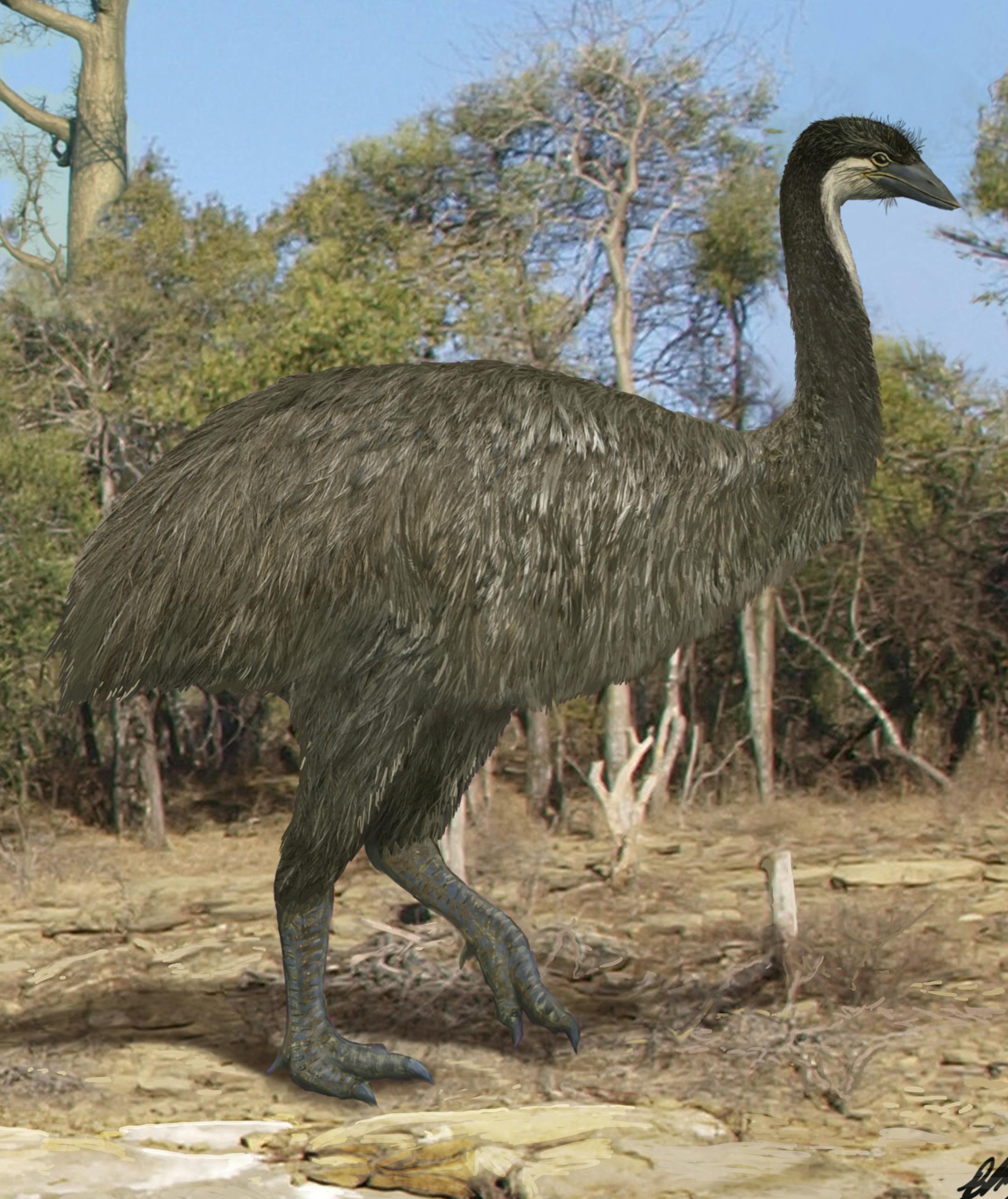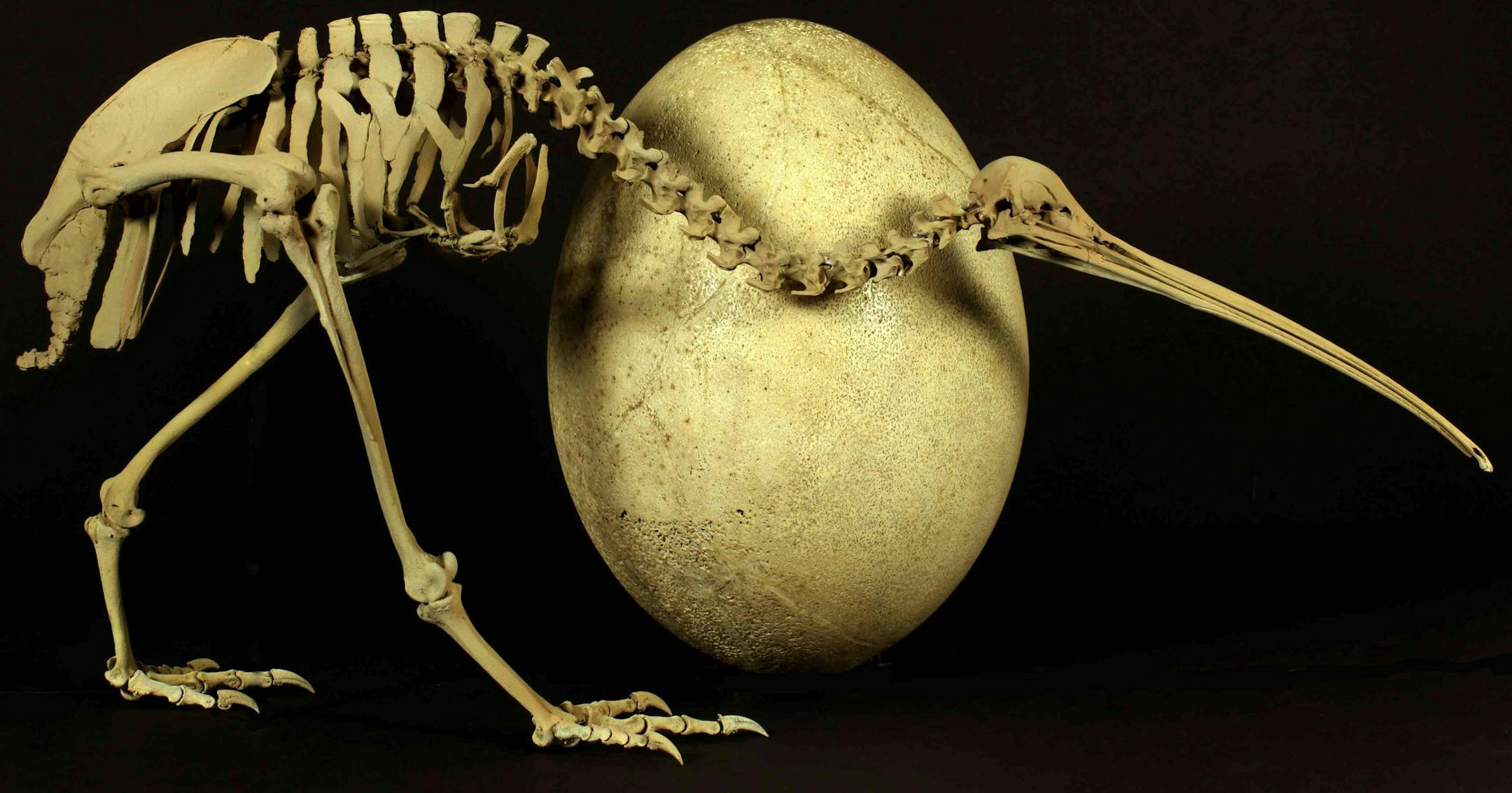
Just a few centuries ago, Madagascar was home to a monstrous creature called the elephant bird. It towered as high as 9 feet. Weighing as much as 600 pounds, it was the heaviest bird known to science. You'd need 160 chicken eggs to equal the volume of a single elephant bird egg.
The only feature of the elephant bird that wasn't gigantic was its wings, which were useless, shriveled arms. Instead of flying, the elephant bird kept its head down much of the time, grazing on plants.
Scientists aren't precisely sure when this strange creature became extinct, but it probably endured well into our age.
In the Middle Ages, Marco Polo heard tales of a huge bird that stalked Madagascar. Today, scientists are trying to determine when the elephant bird became extinct by estimating the age of its youngest remains. It's possible the birds were still thundering across Madagascar in the 1800s.
Now that the elephant bird is gone, scientists have to content themselves with indirect clues to its existence. For a long time, they could only study its bones and fragments of eggshells. In the 1990s, some scientists began to look for bits of DNA in those elephant bird remains, but for two decades they came up dry.
Finally, a team of Australian researchers has now recovered sizable chunks of DNA from two species of elephant birds. And that genetic material has delivered a big surprise: It turns out that the closest relative of the mighty elephant bird is the kiwi, a 6-pound flightless bird that lives more than 7,000 miles away, in New Zealand.
Other experts accepted the finding, reported Thursday in the journal Science, although they didn't see it coming.
"I don't think anyone would have predicted kiwis," said Joel Cracraft, curator of ornithology at the American Museum of Natural History, who was not involved in the research.