We all have a different John Mahoney "aha!" moment. That's how it goes with character actors who serve their material while showing us a little something of themselves: They bring us to them through the story they're telling, rather than demanding our attention at the expense of it.
For some the "aha!" came in 1989's "Say Anything," in which Mahoney, in one of his many gruff but humane dad roles, shared screen time with John Cusack and Ione Skye and carefully tethered Cameron Crowe's teen romance to something resembling planet Earth.
For others it happened two years earlier, in Barry Levinson's "Tin Men," Mahoney's sixth feature but the first big one. Without a speck of grandstanding, he anchored the early '60s aluminum siding sales office populated by Richard Dreyfuss, Seymour Cassel and other mugs. Mahoney seemed like he'd been around forever, in the best way. That growly voice, so delightfully at odds with that marvelous, malleable, indelible face, made you listen, even at a whisper.
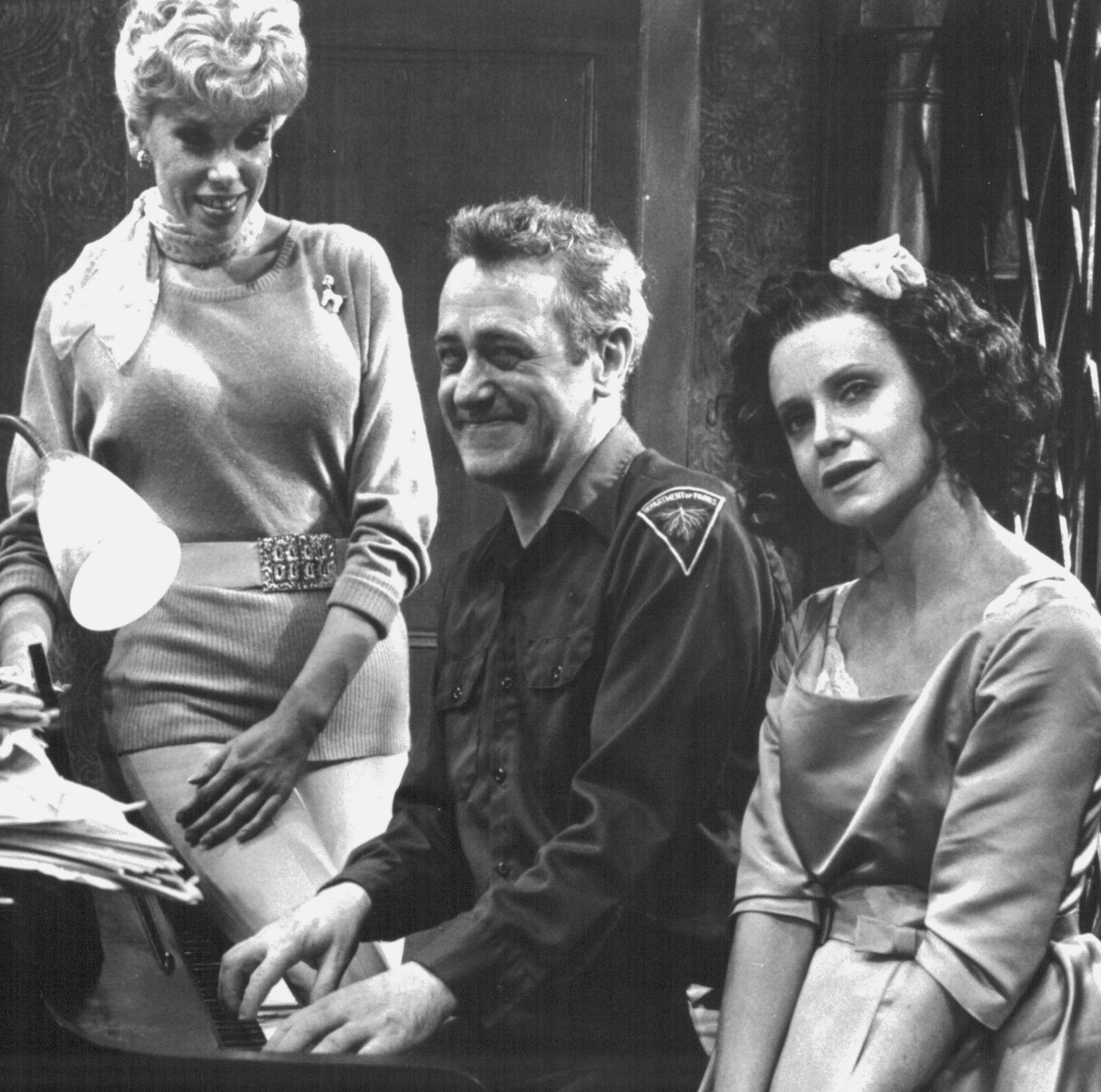
By then, like so many others, I'd seen Mahoney on stage, in a Steppenwolf play, "And a Nightingale Sang." The 1982 production remains a peak theatergoing experience for me — my working definition of fluid ensemble performance. A few years later, off-Broadway, Mahoney dined out on the role of the mysterious businessman and adoptive uncle in Lyle Kessler's "Orphans." That was the one that kicked his screen career into gear. It wasn't much of a play, but some plays get by as showcases for the right talent. Mahoney, wielding a Tiparillo like a magic wand, turned on dime after dime in that part, his entire demeanor shape-shifting from warmth to ice in a nanosecond.
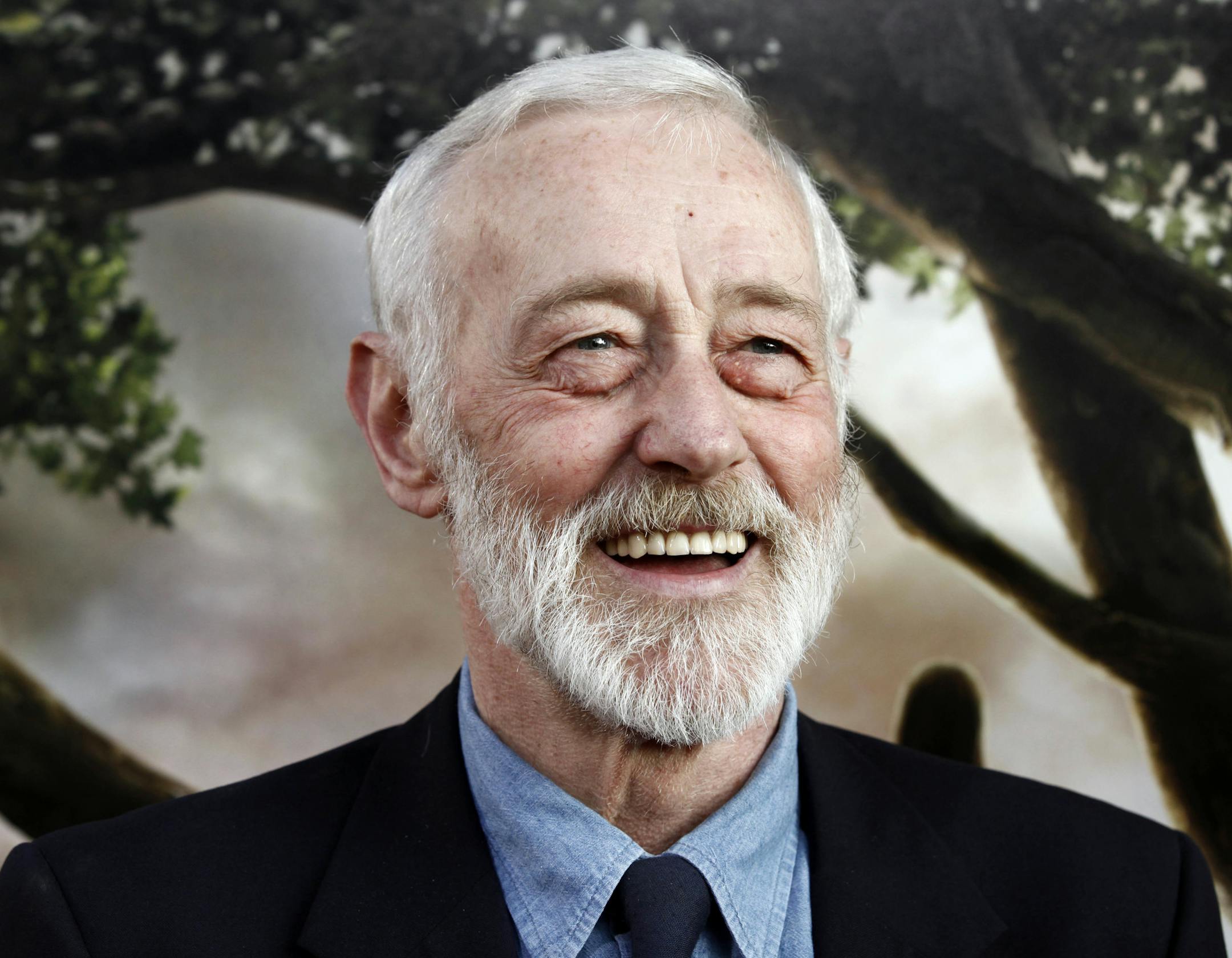
Mahoney, a longtime Steppenwolf Theatre ensemble member widely known for his work on the NBC sitcom "Frasier," died Feb. 4 at the age of 77.
As director Gary Sinise told Backstage in 2007: "It was a perfect role for him. You never quite knew if he was a mob guy, or an angel sent to protect the boys."
By the time Mahoney slipped into "Moonstruck," the 1987 romantic comedy starring Cher and Nicolas Cage, his camera sense was well honed and unerring. He'd done so much theater by then, yet just enough on screen to seem like a natural in any medium.
His two scenes in "Moonstruck" add up to my favorite early work of his, comprising a perfect little one-act play in the middle of a movie that has gotten even better with age. Just like Mahoney, come to think of it.