

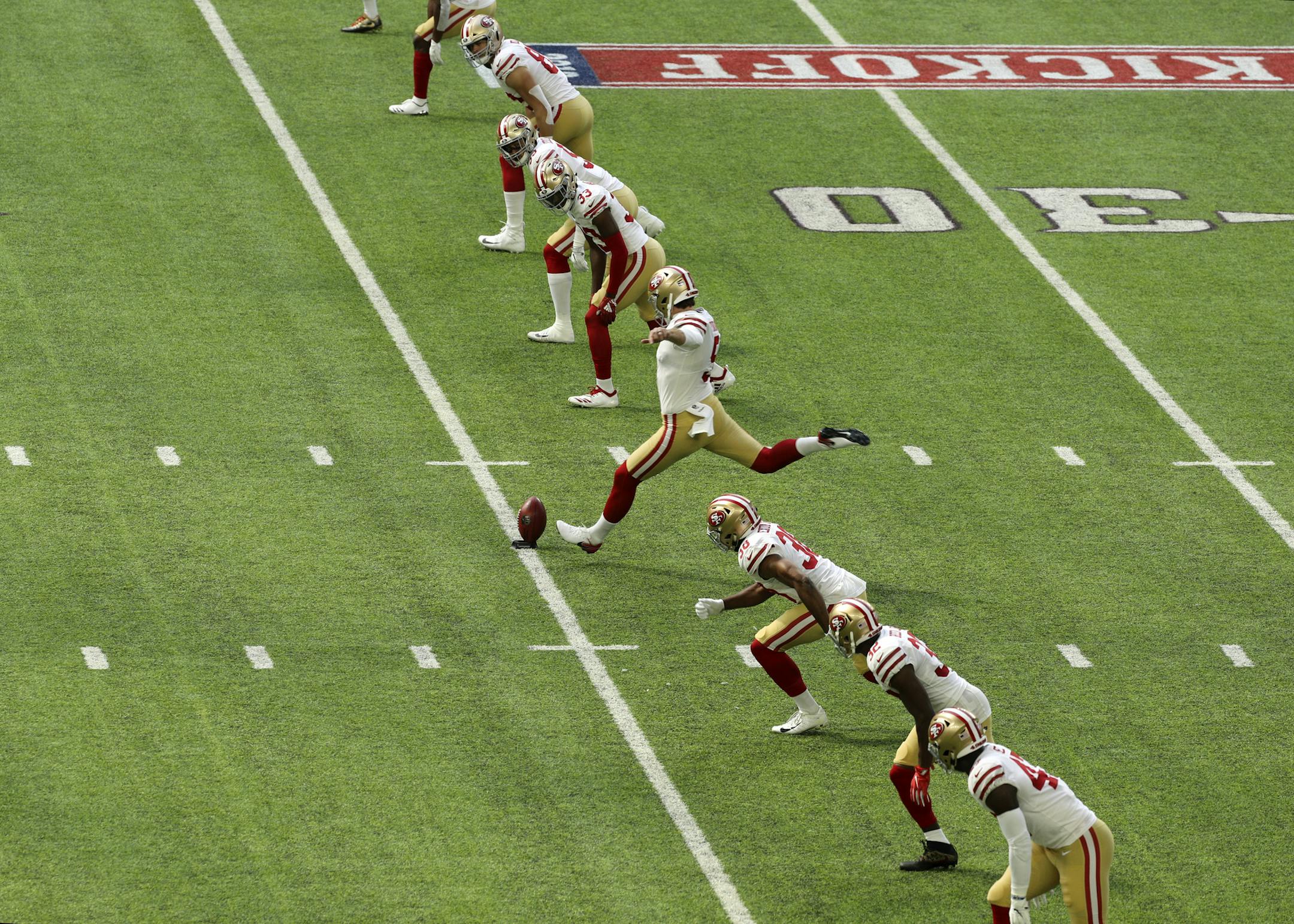
So indispensable for so long it became part of a nation's vocabulary, football's kickoff isn't about beginnings anymore.
From preps to pros, the game's guardians are asking themselves how they make such a tradition safer from collision and injury — particularly concussions — and still save a play that is alternately deemed football's most dangerous and exciting.
This season, the NCAA and NFL each changed their rules in attempts to do just that. The Minnesota State High School League has modified kickoffs since 2014, and venerable Brainerd High School coach Ron Stolski says his sport has "never been safer."
In the NCAA, receiving players can now create a touchback by fair-catching kickoffs inside their 25-yard line.
"I like the new rule," Gophers coach P.J. Fleck said. "It protects our players. That's the most important thing."
Warned by its own executives that the kickoff otherwise is headed toward banishment, the NFL overhauled its rules to reduce violent contact created by opponents running full speed at each other. It eliminated the 5-yard running start kickoff teams had; required the receiving team to place eight players closer to the teed ball; and outlawed blocking before a kicked ball is touched or hits the ground. The ball also now is ruled dead if it reaches the end zone without a touch, a rule designed to end injuries on kicks that are never returned.
These changes and more came at a May summit of the league's competition committee, some owners, coaches, former players and special-teams coordinators, including the Vikings' Mike Priefer.
"We needed to change it," Priefer said. "Ultimately, the NFL wants to make this a safer game."


