Kenya may serve as bellwether
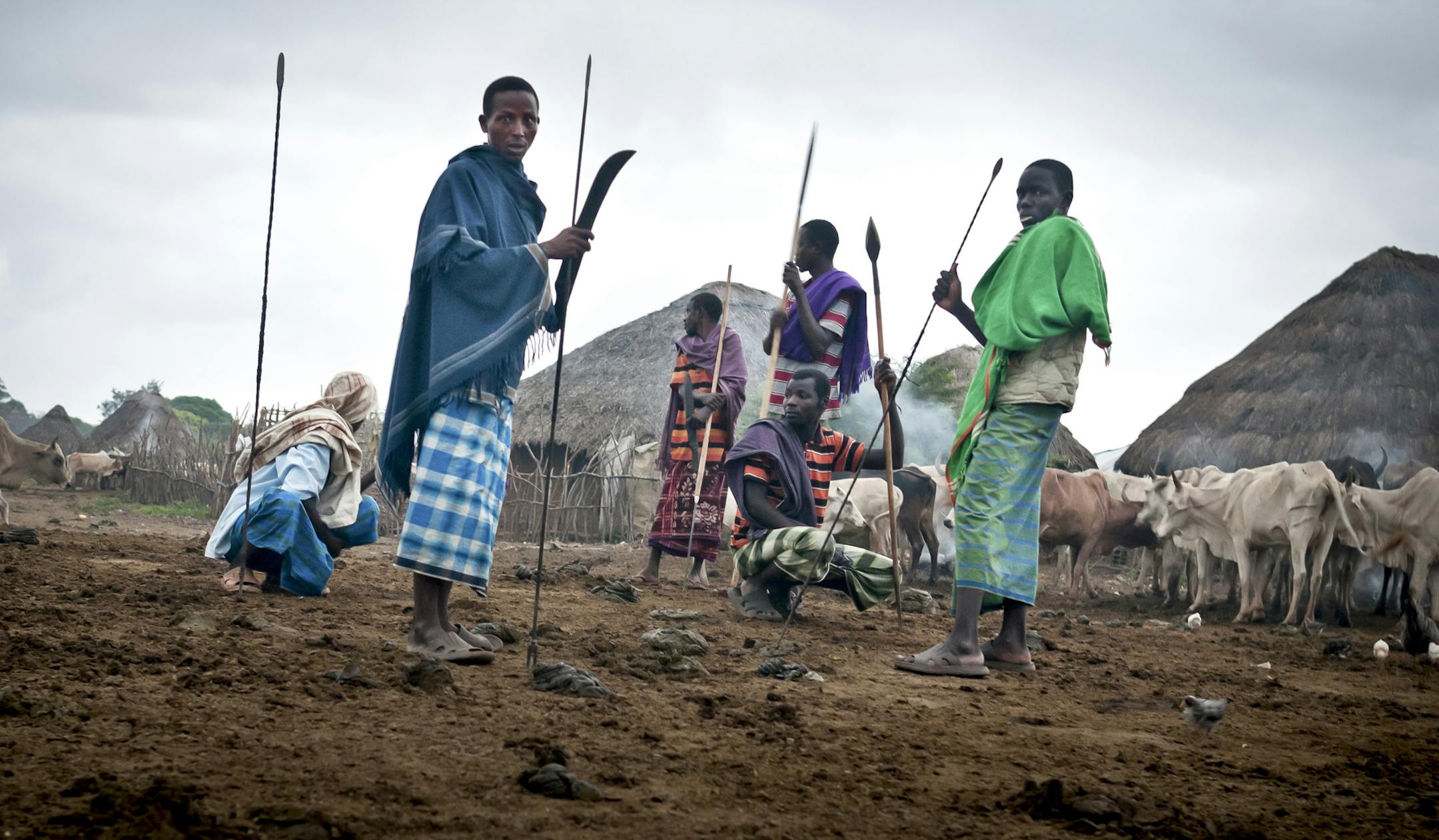
Every five years or so, the stable and typically peaceful country of Kenya — an oasis of development in a very poor and turbulent region — suffers a frightening transformation in which age-old grievances get stirred up, ethnically based militias are mobilized and neighbors start killing neighbors. The reason is elections, and another huge one — one of the most important in this country's history and definitely the most complicated — is barreling this way.
In a little more than a week, Kenyans will line up by the millions to pick their leaders for the first time since a disastrous vote in 2007, which set off clashes that killed more than 1,000 people. The country has spent years agonizing over the wounds and has taken some steps to repair itself, most notably passing a new constitution. But justice has been elusive, politics remain ethnically tinged and leaders charged with crimes against humanity have a real chance of winning.
This time around, the vitriolic speeches seem more restrained. But the country is asking a simple but urgent question: Will history repeat itself? "This election brings out the worst in us," read a column last week in the Daily Nation, Kenya's biggest newspaper. "All the tribal prejudice, all ancient grudges and feuds, all real and imagined slights, all dislikes and hatreds, everything is out walking the streets like hordes of thirsty undeads looking for innocents to devour."
Because Kenya is such a bellwether country on the continent, what happens there may determine whether the years of tenuous power-sharing and political reconciliation — a model used after violently contested elections in Zimbabwe as well — have ultimately paid off.
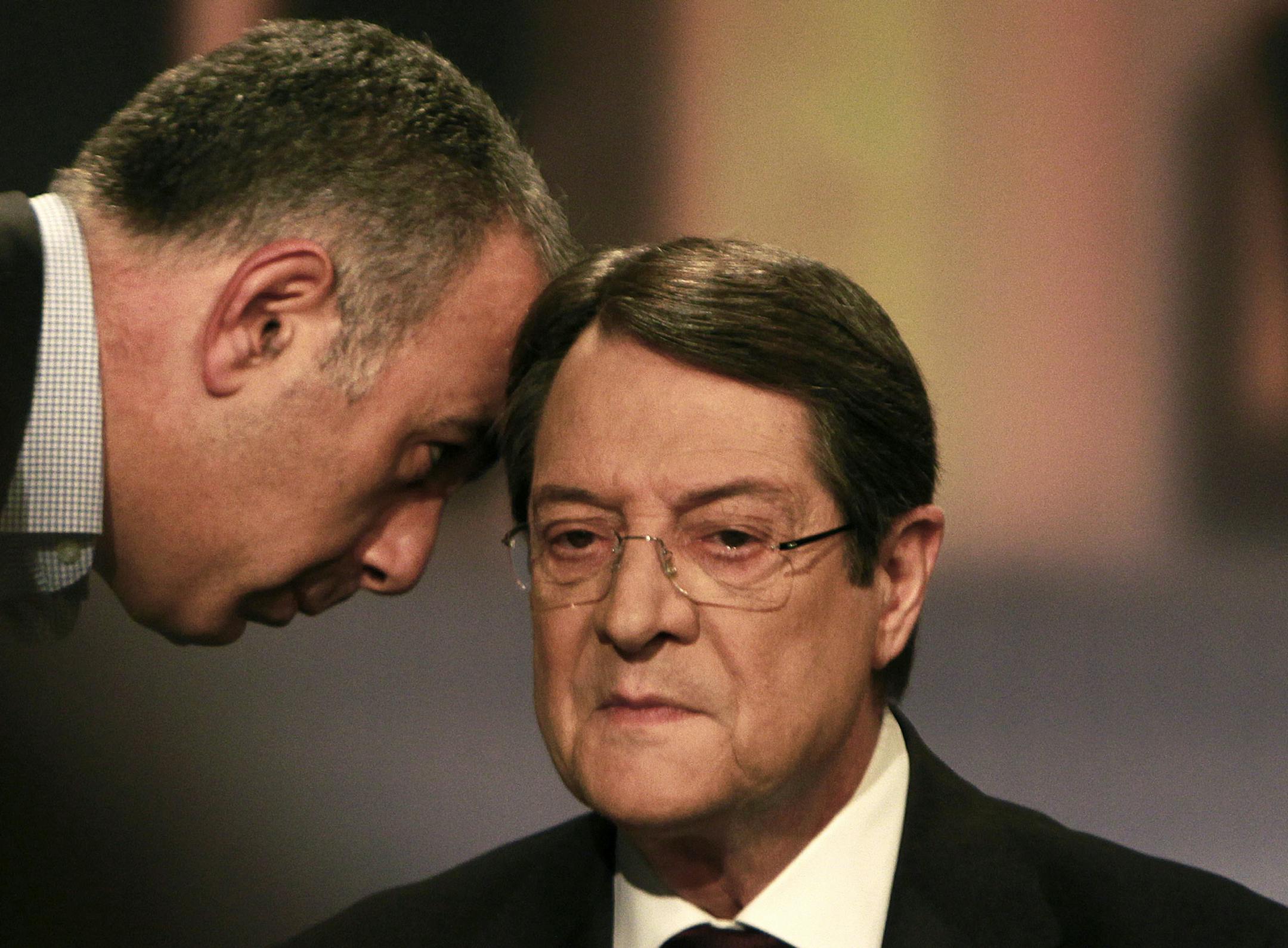
CYPRUS FACES ERA OF UNCERTAINTY
Evagoras Georgiou will go to the polling station at the Tsireio middle school in the St. John neighborhood for Sunday's presidential election. But he will leave his ballot blank, voting for neither of the two candidates in the runoff for Cyprus' most powerful political office.
Both candidates have promised to abide by a deal with international lenders that promises to help the country service its debts but that will bring harsh austerity and recession with it.
What many Cypriots — such as Georgiou, 28, who studied business management in Britain but has yet to find a job — find most frustrating is that their crisis, like those in Ireland and Iceland before them, was concentrated in the banks. There is no sovereign debt crisis and, before the banking collapse, their economy was relatively healthy. Why, they wonder, should they suffer for the misdeeds of a few bankers?
This small Mediterranean nation goes to the polls at a moment of rising uncertainty and apprehension.