

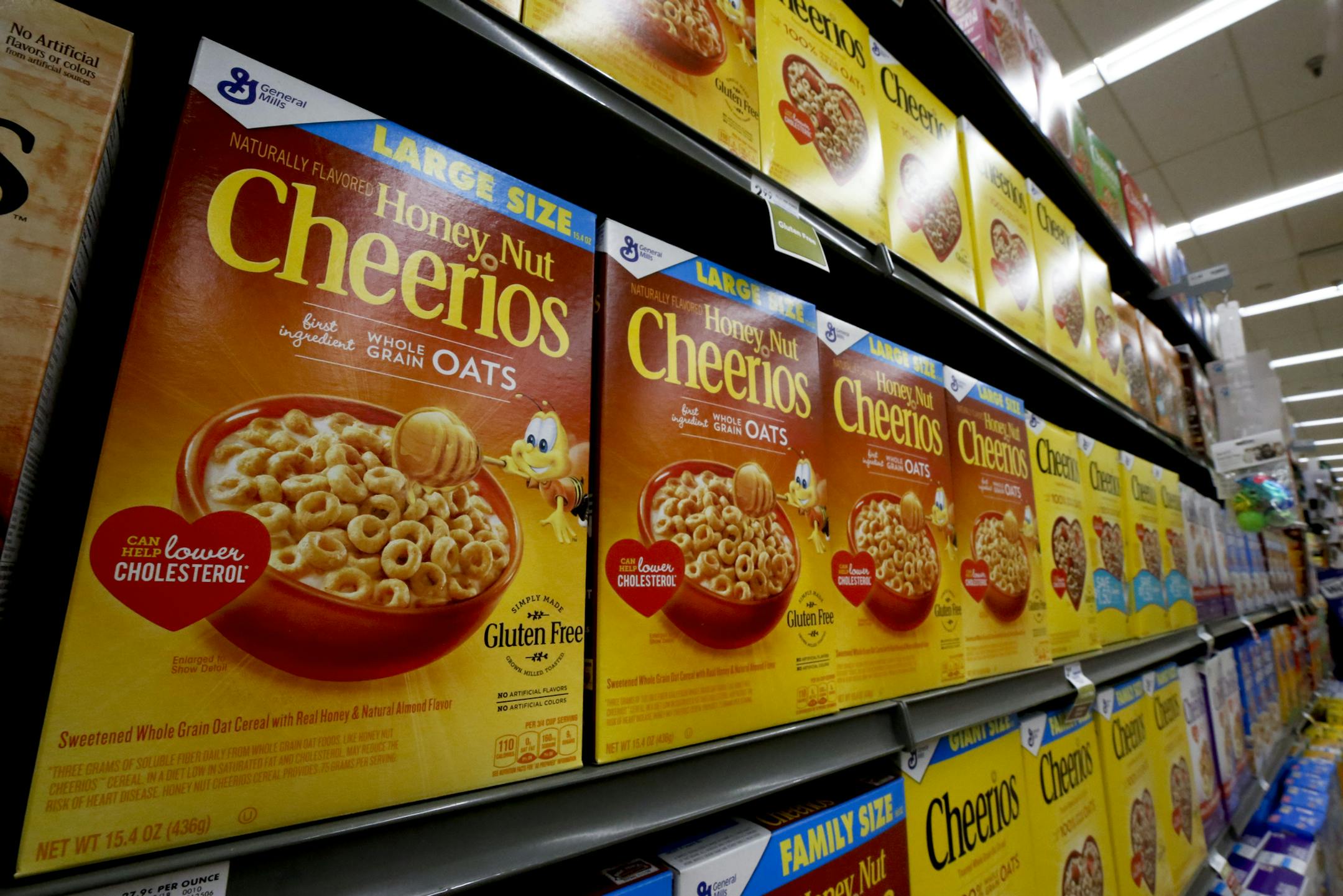
With panic buying and pantry stocking seemingly in the rearview mirror of this pandemic, foodmakers like General Mills are hoping to persuade consumers to keep coming back for more.
Soon after the coronavirus took hold in the U.S., Golden Valley-based General Mills reaped the benefits of a shut-in society. Home-cooking and meals at home skyrocketed with many shoppers returning to familiar household brands, such as Betty Crocker, Pillsbury and Lucky Charms.
But as the U.S. enters a protracted stage of the public health crisis, Americans' buying habits are shifting in subtle and somewhat mysterious ways.
"We will get through this and see where things end up at the end of the day. You can't be certain, but we do think consumers are changing their behaviors," said Jon Nudi, president of North America Retail for General Mills.
While there are near-term questions about the ability of supply chains and inventory levels to meet demand, the key for General Mills is whether it can maintain some of the new or lapsed customers it reached in the past several months once the pandemic subsides.
"Retaining consumers has got to be job No. 1 right now. We've had an unexpected gift [of reaching more consumers]," Nudi said.
Even as demand for its products soared in the spring, General Mills never trimmed its marketing budget. With consumers spending even more time in front of computers, the company shifted much of its marketing to digital platforms.
In the short term, how and where consumers spend their food dollars in the coming months will determine General Mills' financial performance for the rest of the fiscal year, Kofi Bruce, General Mills' chief financial officer, told investors Wednesday at the virtual 2020 Barclays Global Consumer Staples Conference.


