

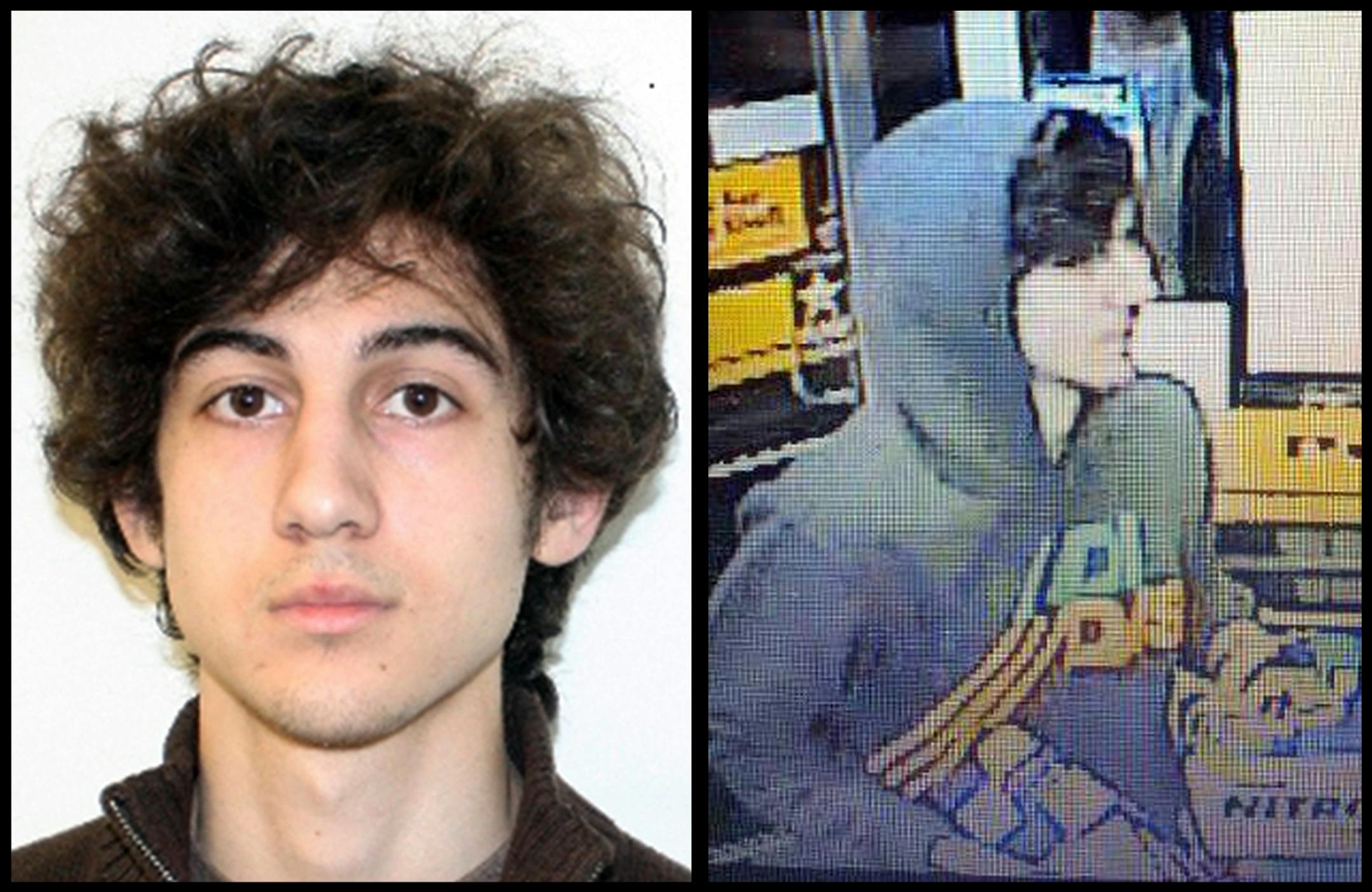
"The terror is over," the Boston Police Department announced via Twitter just minutes after the dramatic Friday night capture of Dzhokhar Tsarnaev.
If only that were the case. Instead, the Boston Marathon bombings were a stunning reminder of America's vulnerability despite the post-9/11 antiterrorism efforts of local, state and federal law enforcement agencies.
Many vexing questions remain, including what the FBI knew about Tamerlan Tsarnaev and his younger brother and when. And was the agency at a disadvantage because the Russian government was less than forthcoming in warnings that prompted Tsarnaev's questioning in 2011, as news reports have suggested?
One risk is that the marathon bombings will now become so politicized that federal authorities themselves will be less than fully transparent.
Without so much as a single hearing, Rep. Michael McCaul, R-Texas, who heads the House Homeland Security Committee, and committee member Rep. Peter King, R-N.Y., already have labeled the FBI's handling of the case "an intelligence failure."
Certainly any act of terrorism that kills three people and injures more than 180 is a security breakdown, and obviously the FBI did not prevent the attack even though Tamerlan Tsarnaev had raised some level of suspicion in Russia.
But without more information from federal authorities — and the Russians — we can only speculate about how the attack could have been thwarted and what of value we might be able to learn from Boston.
For starters, we need to know how and when the brothers were radicalized. We may learn that Tamerlan Tsarnaev's 2012 trip to Dagestan, a Russian republic bordering Chechnya, was a tipping point in what his family members said was a dramatic turn toward radical Islam.


