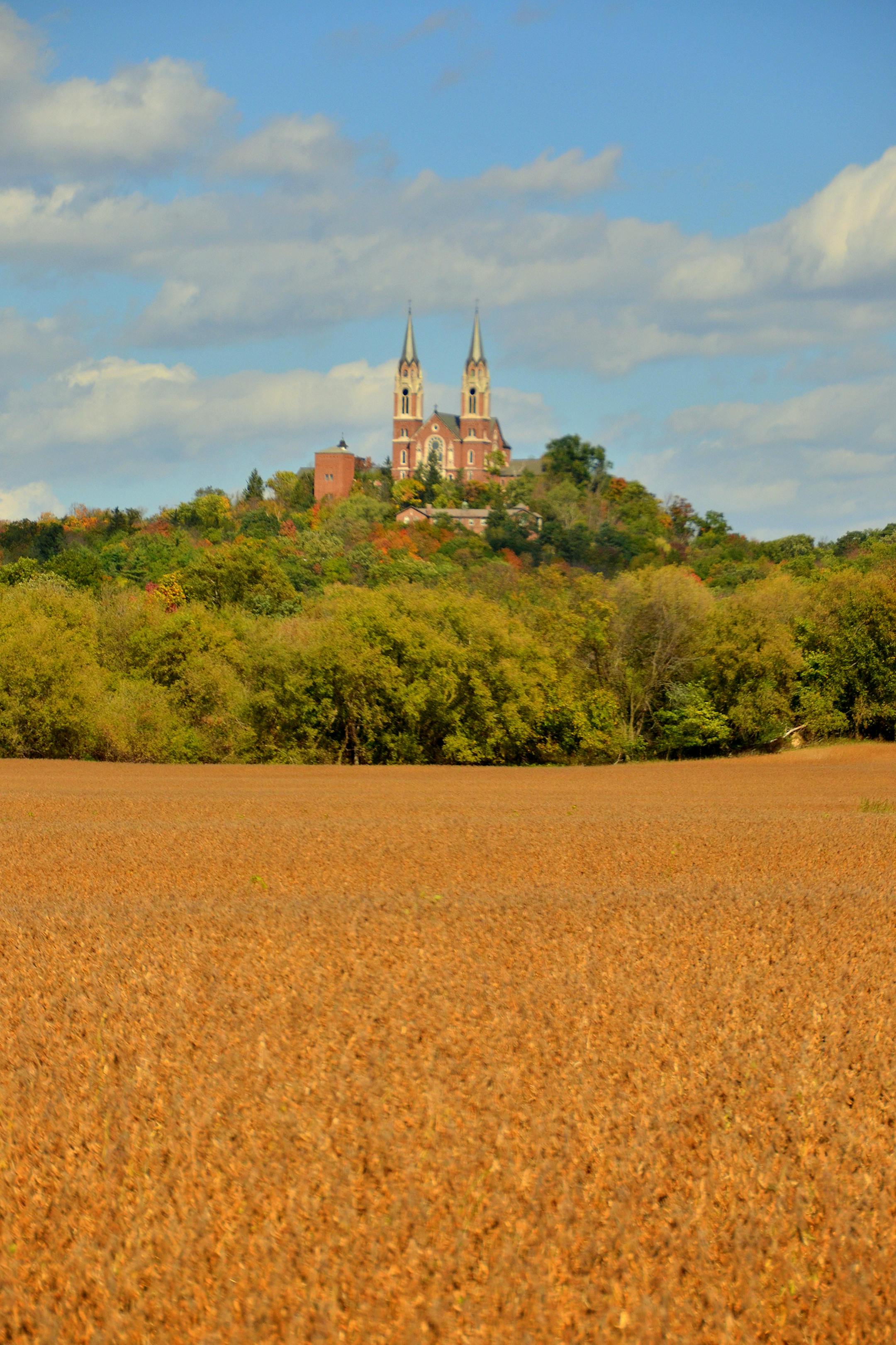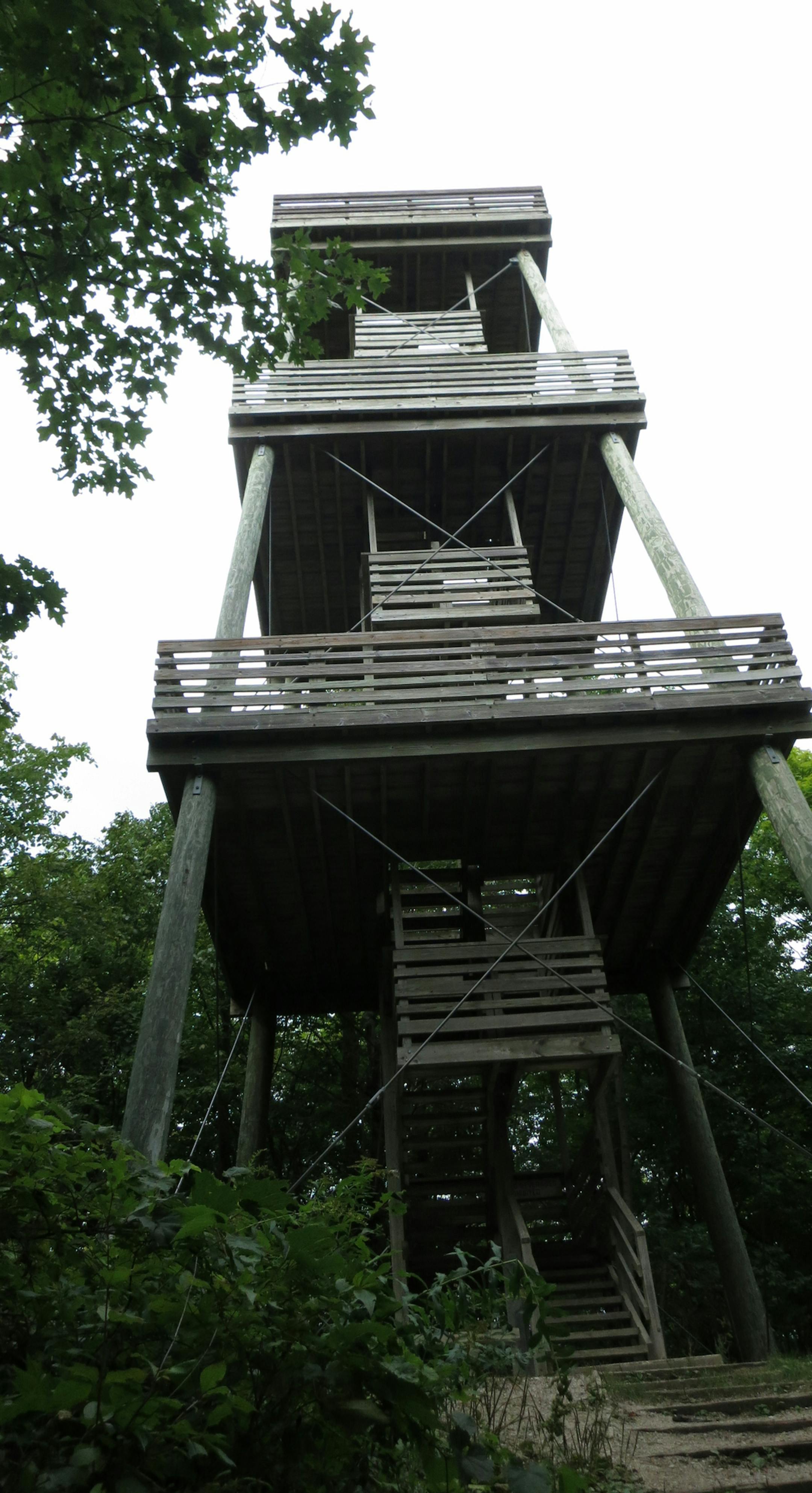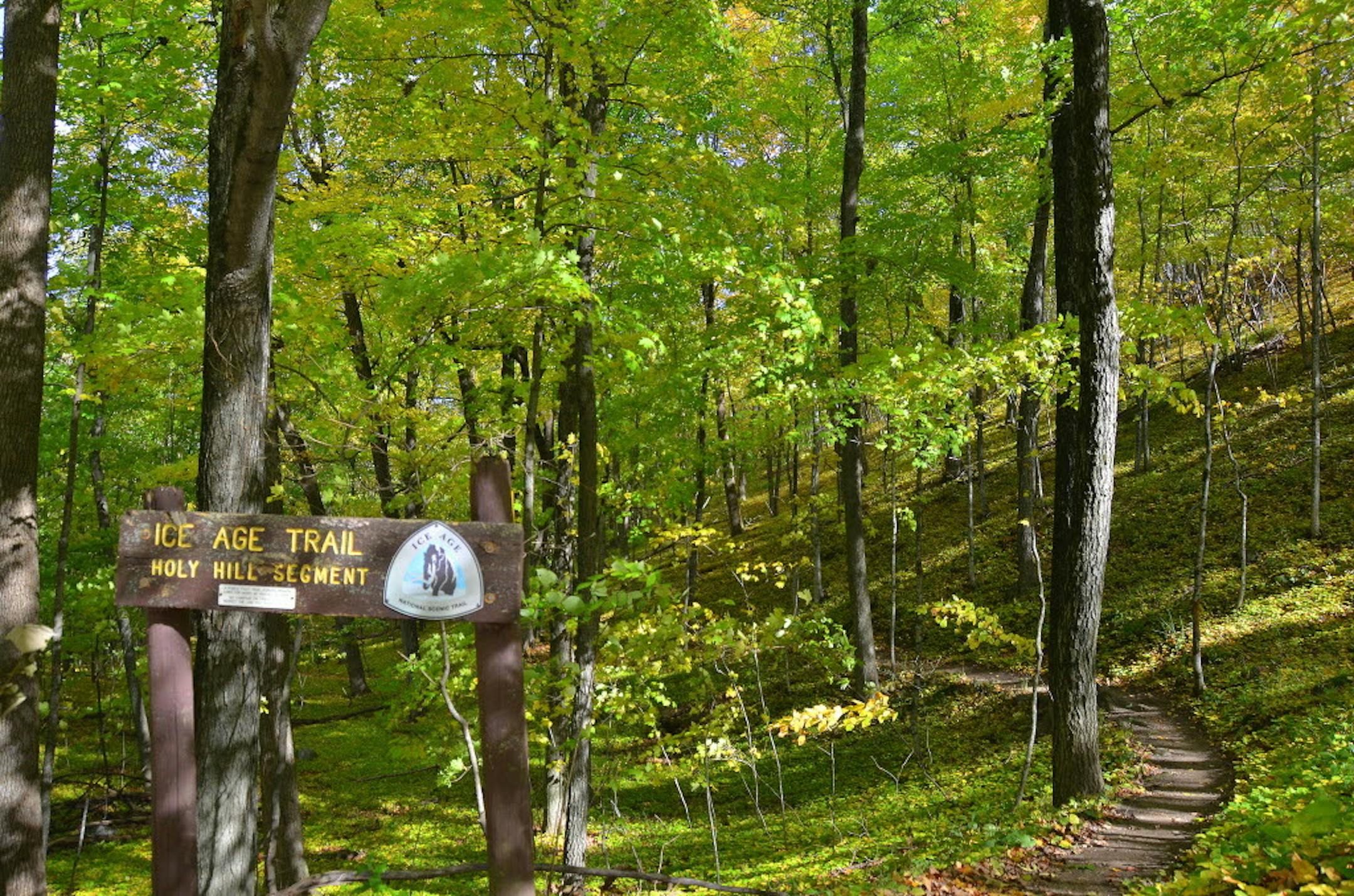
Midwesterners might grimace at how rough winters can get these days, but 20,000 years ago much of the region was under a sheet of ice thicker than a mile in some places. One of the most fascinating marks it left as the ice melted was Wisconsin's Kettle Moraine.
A "kettle" forms when debris from a grinding glacier gathers in a deposit as the ice melts away. In this case, a large chunk of ice at the center lasts a bit longer under the pile and when it finally does shrink, it creates a sunken bowl-shaped middle to the moraine. This long north-to-south area between the crushing forces of two major ice lobes — the Green Bay and Lake Michigan lobes — is so rife with them that the entire region took the term as a proper name.
Geneva and Pike lakes are two of the largest kettles. The extensive collection of moraines, eskers and kames is a natural geological textbook, and much of it has been set aside as a Wisconsin state forest. When the mosquitoes and hot weather are gone for the season, hikers head for Kettle Moraine for its excellent fall colors.
Five units make up Kettle Moraine State Forest: the Northern, Southern, Lapham Peak, Loew Lake and Pike Lake Units. Covering 56,000 acres, the units extend 100 miles along glacially altered lands from Elkhart Lake in the north to just south of Whitewater. But the state forest does not encompass the entire Kettle Moraine and several areas outside park borders make excellent hikes as well, particularly along the rustic footpath of the Ice Age National Scenic Trail (IAT), which roughly follows the edge of the last glaciers. Some of the longest continuous sections of the IAT are within Kettle Moraine.
Hiking options
• Hard-core hikers may prefer through-hiking the IAT. The trail offers stretches of slightly more than 30 miles of trail in the Northern and Southern Units with shelters for overnight camping along the route. But shorter hikes for day-trippers or families with kids are plentiful, too.
• The Zillmer Trails, connected by a spur trail to the Ice Age Visitor Center in the heart of the Northern Unit, have a combined 11 miles of grass and dirt paths. Trail loops vary in length from 1.2 to 5.4 miles, with the longest, the Yellow Trail, offering the most time in the woodland portions.
• The Greenbush Trails share their name with a famous nearby kettle visible from the road. The Green and Purple loops run 3.6 and 5.1 miles, respectively, but there are three shorter options. All of them are wooded, but the longest route passes Bear Lake and its marsh and offers a look into a kettle.
• In the Southern Unit, consider the IAT Segment starting from Whitewater Lake Campground. The path straddles moraines through the forest.